Waterproofing Verification: Practical Role of IPX67 Air Leak Testing in Marine Amplifiers
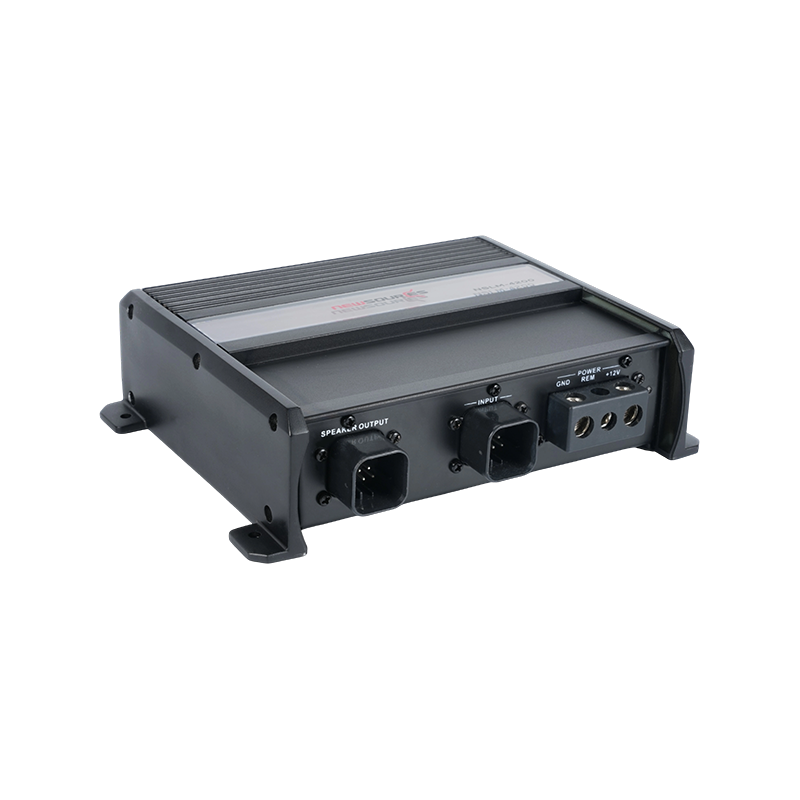
IPX67 air leak testing converts a binary pass/fail waterproof check into measurable data that guides design iteration for Waterproof Marine Amplifiers and Waterproof Marine Amp modules. Rather than only stamping a certificate, a calibrated air leak bench measures leakage rates at specified pressures, revealing weak points in enclosure seals, potting interfaces and connector boots. Engineering teams can use this data to prioritize gasket geometry changes, select alternative potting compounds with lower permeability, or add redundant sealing ribs around cable entries to reduce long-term moisture creep.
Design adjustments that follow from air leak metrics
- Targeted gasket re-profiling — modify cross-section (D-shape, O-ring backup) where measured leakage concentrates near mounting flanges.
- Potting compound selection — switch to lower water absorption resins where leak maps show moisture ingress along chip-scale components.
- Connector and cable strain relief redesign — add molded overmolds or positive-lock plugs where dynamic flex is correlated with slow leaks.
- Selective conformal coating — apply controlled-thickness coatings to vulnerable PCB areas rather than blanket coating, balancing dielectric performance with reparability.
Integration of IPX67 testing into production flow for Marine Amplifiers
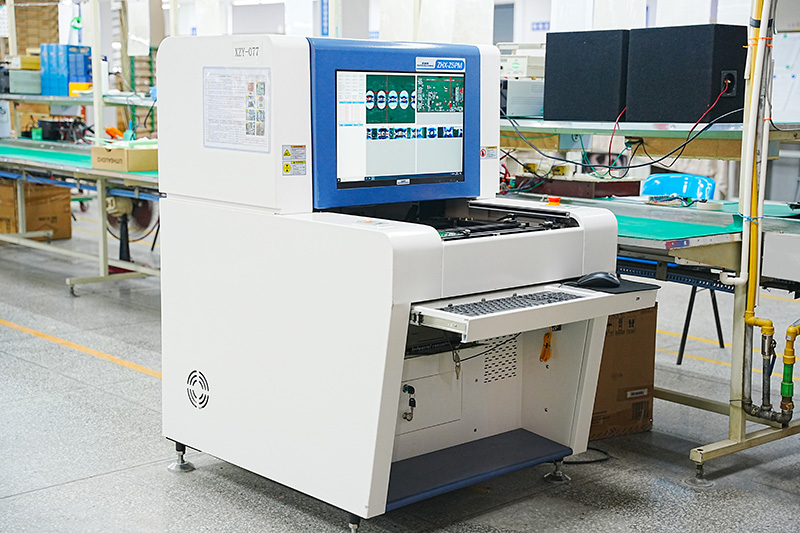
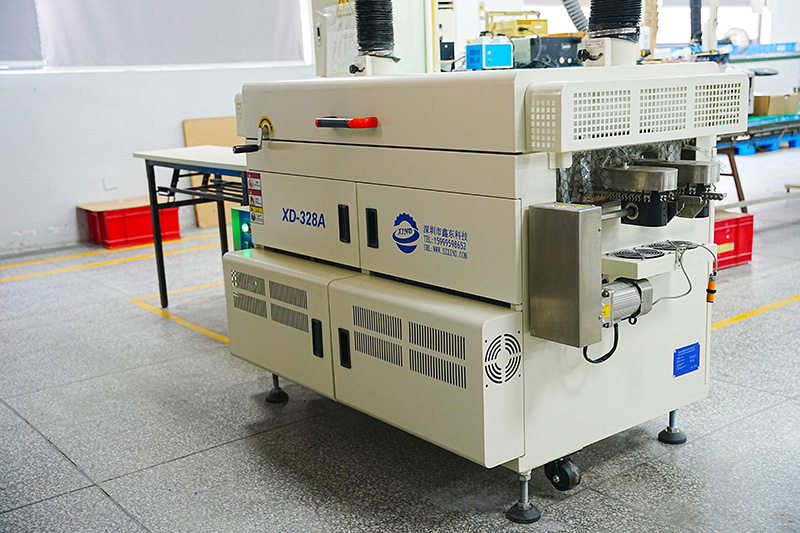
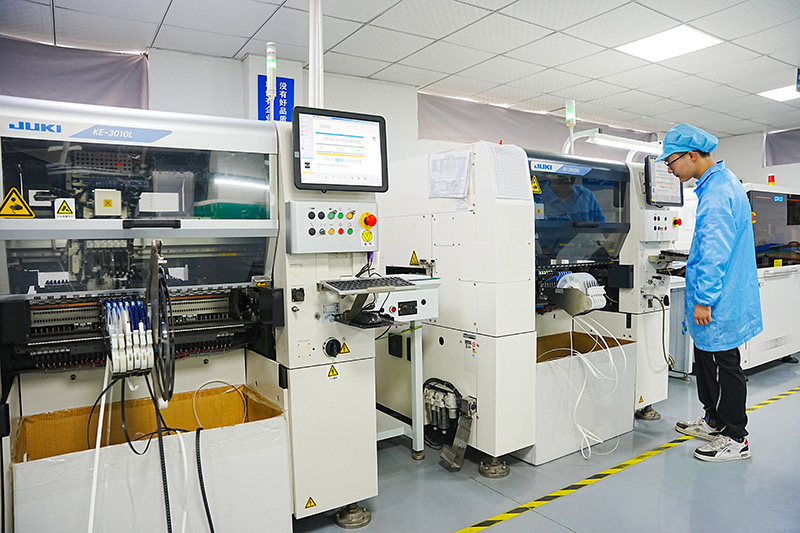
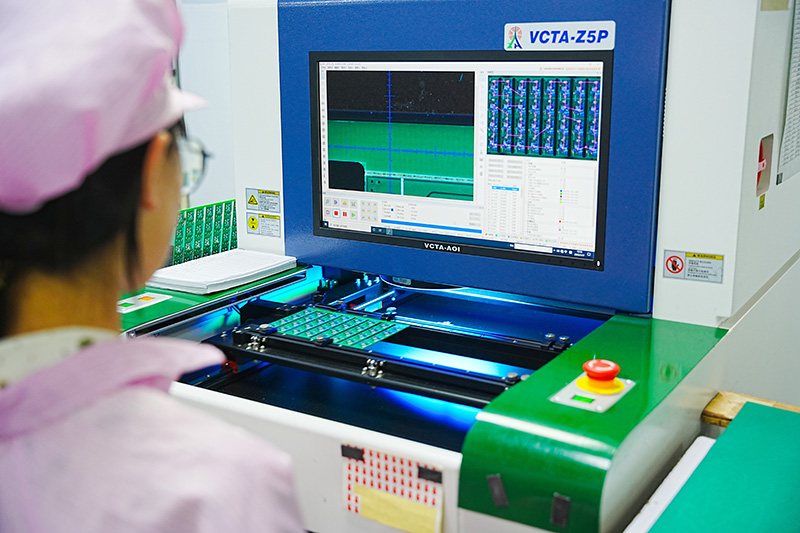
For high-reliability Marine Amp production, 100% online air leak testing should be staged after final assembly and before aging. When combined with upstream controls such as SMT process control, AOI validation and controlled wave soldering, air leak results become a final quality gate that prevents cabinetry or connector defects from entering burn-in. Data from each tested unit can be logged and trended: spikes in fail-rates typically correlate to a specific lot of gaskets, a tooling wear issue on the assembly line, or a change in potting viscosity due to temperature variations in the workshop.
What production teams should log with each IPX67 test
- Unit identifier (serial), date/time, operator and fixture ID
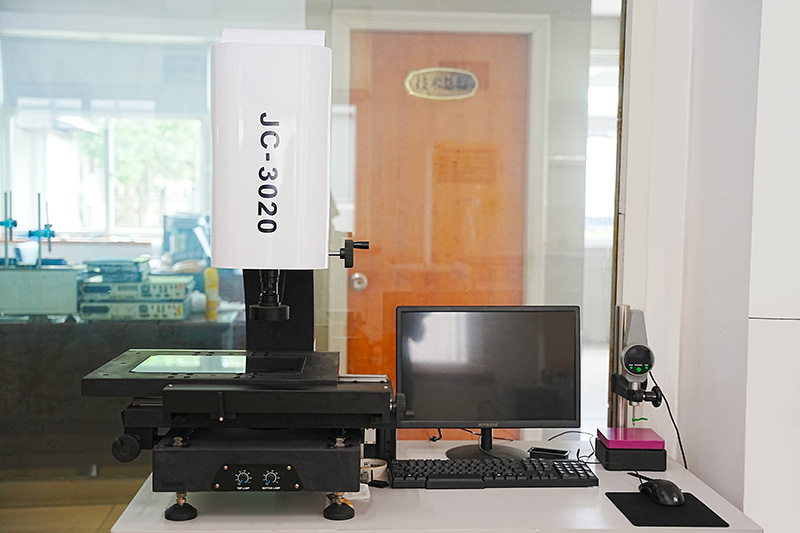
- Applied test pressure, dwell time and measured leakage rate
- Visual notes on sealing surfaces and photographic reference if leak exceeds threshold
- Link to upstream PCB AOI/AP test results and final aging outcome
Correlating electrical reliability with waterproof performance in Marine Amplifiers
Water ingress rarely causes instant catastrophic failure in Marine Amplifiers; more commonly it accelerates corrosion, changes insulation resistance and degrades passive components over cycles. By correlating early leakage readings with accelerated aging results (e.g., 100% aging test under thermal and vibration stress), engineers can derive a leakage-to-failure model. This lets product teams define acceptable leak-rate windows for finished Marine Amp units and apply targeted rework thresholds for marginal units before they enter the field.
Practical test correlation steps
- Run air leak measurement on a sample set, then subject the same units to standard aging and electrical load tests.
- Track time-to-degradation metrics (insulation resistance drop, SNR loss) versus initial leak rates.
- Derive actionable acceptance criteria that map leak rate bands to pass/repair/reject decisions.
Manufacturing controls and workforce experience that enable consistent Waterproof Marine Amplifier quality
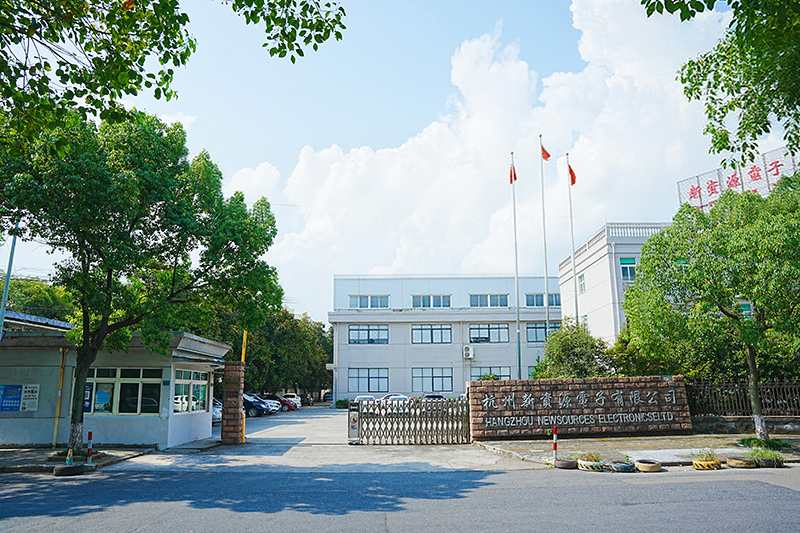
Consistent execution of waterproofing features relies on stable upstream processes. Robust SMT deposition, repeatable wave solder profiling, and AOI gates reduce the need for corrective potting or rework that can compromise enclosure seals. In practice, a production base with high technician retention and deep experience reduces variability: teams that have worked a decade on audio and marine products understand how subtle alignment or torque changes on fasteners affect gasket compression and thus long-term IPX67 performance. Locating production near a high-tech labor pool also helps attract engineers experienced in sealing technologies and test instrumentation integration.
| Production Stage |
Typical Control Point |
Impact on Waterproof Marine Amp |
| SMT & AOI |
Component placement accuracy, solder fillet quality |
Reduces rework that can damage housings or seals |
| Wave Soldering / Reflow |
Thermal profile control |
Prevents conformal coating or potting adhesion problems |
| Final Assembly & Connector Fit |
Torque specs, connector seating fixtures |
Ensures repeatable gasket compression for Waterproof Marine Amplifiers |
| 100% Air Leak (IPX67) Test |
Leak rate logging and fixture calibration |
Final verification preventing marginal units from shipping |
Field maintenance and design-for-service considerations for Marine Amplifiers
Designing a Waterproof Marine Amp with serviceability in mind reduces long-term ownership cost. Use replaceable gasket modules, modular overmolds for cables, and clear service access points that maintain IPX67 integrity when closed. For units intended for harsh offshore duty, include a service log area on the enclosure and use captive fasteners with torque marks so technicians can reassemble to the factory compression specification after field service.
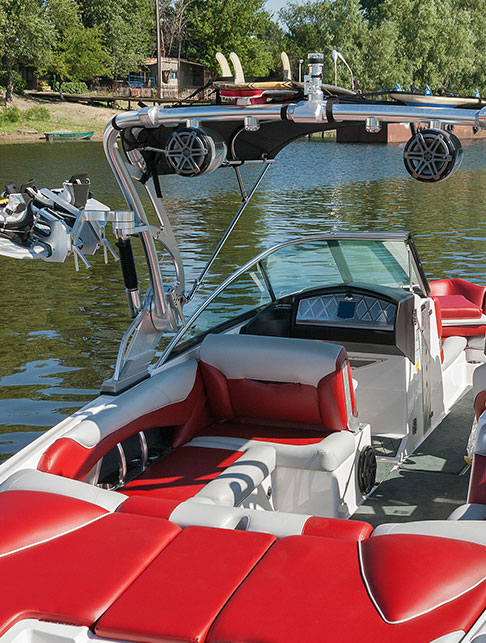
Bringing these practices together — measurable IPX67 air leak testing, data-driven acceptance criteria, disciplined upstream SMT/AOI/wave solder controls, and an experienced production team — turns a Waterproof Marine Amplifier from a certified product into a reliably performing Marine Amp in real-world salt-spray, vibration and temperature cycles. Incorporating local manufacturing expertise and continuous test-data feedback shortens iteration cycles and improves in-service lifetime for marine audio systems.


 EN
EN

 English
 Español
 عربى
عربى



.jpg)
.jpg)