
 EN
EN
 English
 Español
 عربى
عربىContent
- 1 Understanding Marine Amplifier Fundamentals
- 2 Decoding Power Ratings and RMS Specifications
- 3 Matching Amplifier Power to Your Speaker System
- 4 Channel Configuration and System Design
- 5 Marine-Grade Construction Requirements
- 6 Impedance Matching and Load Calculations
- 7 Installation Space and Mounting Considerations
- 8 Essential Features and Connectivity Options
- 9 Balancing Budget and Performance
- 10 Making Your Final Selection
Selecting the right marine amplifier for your boat's speaker system is critical to achieving exceptional sound quality on the water. Unlike home or car audio systems, marine environments demand specialized equipment that can withstand harsh conditions while delivering consistent performance. This comprehensive guide will walk you through every essential consideration, from power specifications to weather resistance, ensuring you make an informed decision that maximizes your audio investment and enhances your boating experience.
Understanding Marine Amplifier Fundamentals
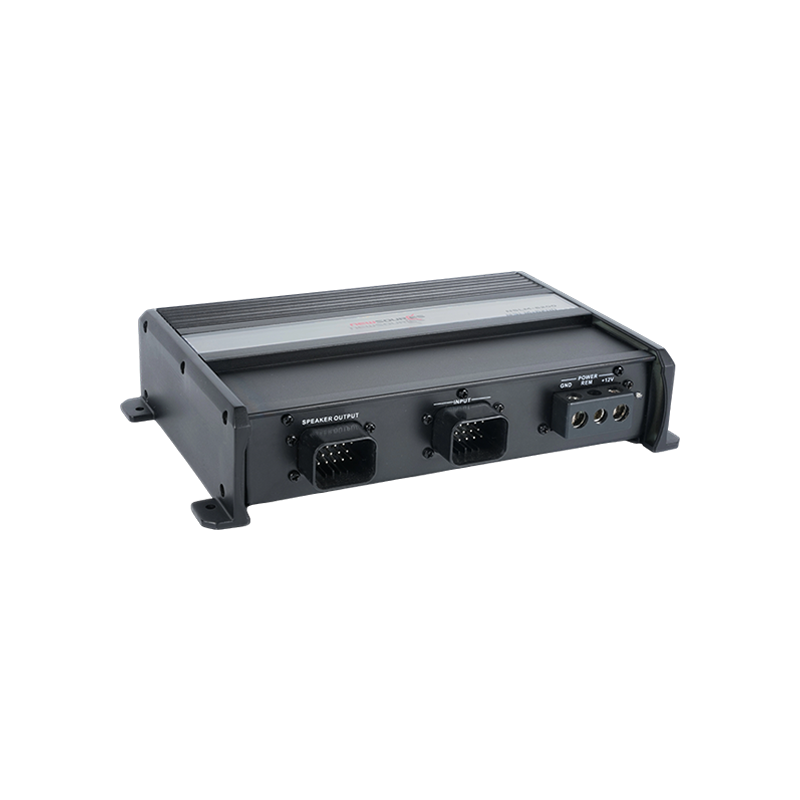
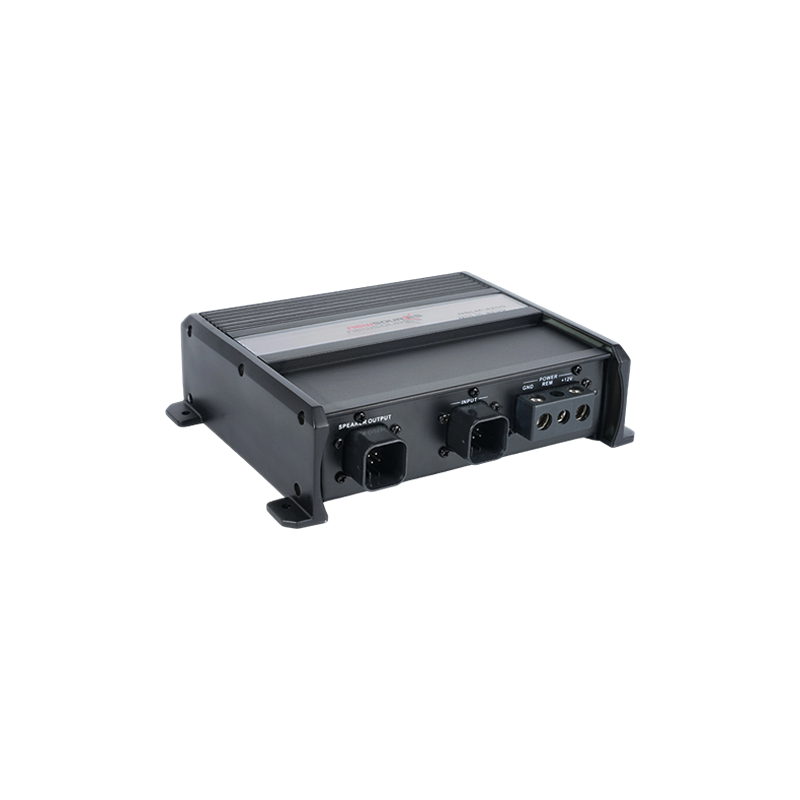
Marine amplifiers differ significantly from standard automotive amplifiers, though they may appear similar at first glance. The primary distinction lies in their construction and protective features designed specifically for the marine environment. Marine amplifiers incorporate conformal-coated circuit boards that create a waterproof barrier around sensitive electronic components, preventing corrosion from salt spray and moisture intrusion.
The chassis construction typically utilizes marine-grade materials such as powder-coated aluminum or stainless steel hardware that resists rust and degradation. UV-resistant coatings protect external surfaces from sun damage, while sealed connection points prevent water from entering through cable ports. These specialized features come at a premium compared to standard amplifiers, but they're essential for reliable long-term performance in marine applications.
Class D vs Class AB Amplifiers
Modern marine amplifiers primarily use Class D or Class AB technology, each offering distinct advantages. Class D amplifiers operate with exceptional efficiency, typically exceeding 80% efficiency compared to 60-70% for Class AB designs. This efficiency translates to less heat generation, which is particularly beneficial in confined marine installations with limited ventilation. Class D amplifiers also tend to be more compact, making them easier to install in tight spaces common on boats.
Class AB amplifiers traditionally deliver warmer, more natural sound reproduction, though modern Class D designs have largely closed this gap. For marine applications, Class D amplifiers generally represent the better choice due to their efficiency, compact size, and lower heat output, which reduces stress on your boat's electrical system and minimizes cooling requirements.
Decoding Power Ratings and RMS Specifications
Power ratings represent one of the most confusing aspects of amplifier selection, largely because manufacturers use different measurement standards. The only specification that truly matters is RMS (Root Mean Square) power output, which measures continuous power delivery under normal operating conditions. Ignore peak power, maximum power, or any other marketing-oriented specifications that inflate apparent performance.
When evaluating amplifier power ratings, verify that the RMS specification includes the following details: power output at specific impedance (typically 4 ohms for marine speakers), total harmonic distortion percentage (THD should be below 1%), and power supply voltage (usually 12 volts for boats). For example, a specification reading "100 watts RMS x 4 channels at 4 ohms, 14.4V, less than 1% THD" provides complete, meaningful information.
Understanding Power Requirements
Marine speakers typically handle between 50 and 200 watts RMS per speaker, depending on size and quality. Your amplifier should provide RMS power within the speaker's handling range for optimal performance. Underpowering speakers produces weak, distorted sound at high volumes, while overpowering can damage speaker components. A general rule suggests matching amplifier RMS output to approximately 75-100% of speaker RMS ratings for the best balance between headroom and component protection.
Matching Amplifier Power to Your Speaker System
Proper power matching ensures your speakers perform at their full potential without risk of damage. Start by identifying your speakers' RMS power handling specifications, usually found on the speaker's label or in the manufacturer's documentation. Calculate total power requirements by multiplying the number of speakers by their individual RMS ratings.
| Speaker Configuration | Speaker RMS Rating | Recommended Amp Power |
| 4 Speakers | 75W RMS each | 75-100W RMS per channel |
| 6 Speakers | 100W RMS each | 100-125W RMS per channel |
| Subwoofer | 300W RMS | 300-400W RMS bridged |
Consider future expansion when selecting amplifier power capacity. If you plan to add speakers or upgrade to higher-powered models, choosing an amplifier with power reserves prevents the need for replacement later. However, avoid drastically overpowering your current speakers, as this creates potential for accidental damage if volume levels are set too high.
Channel Configuration and System Design
Marine amplifiers come in various channel configurations, from simple 2-channel models to complex 6-channel designs. The right configuration depends on your speaker layout and whether you plan to incorporate a subwoofer into your system.
- 2-Channel amplifiers work well for basic stereo setups or can be bridged to power a single subwoofer with increased output
- 4-Channel amplifiers offer the most versatility, powering four speakers independently or using two channels for speakers and bridging the remaining channels for a subwoofer
- 5-Channel amplifiers include a dedicated subwoofer channel plus four speaker channels, simplifying installation and eliminating the need for bridging
- 6-Channel amplifiers suit larger vessels with extensive speaker systems, providing independent power for six speakers or various speaker-subwoofer combinations
Bridging Capabilities and Applications
Channel bridging combines two amplifier channels to create a single, more powerful output, typically doubling the available power. This feature proves invaluable when adding a subwoofer to your marine audio system. For example, a 4-channel amplifier rated at 100 watts RMS per channel can deliver approximately 200 watts RMS when two channels are bridged, providing sufficient power for most marine subwoofers while leaving two channels available for speakers.
Marine-Grade Construction Requirements
The marine environment presents unique challenges that standard amplifiers cannot withstand. Proper marine-grade construction is non-negotiable for reliable performance and longevity on the water. Look for these essential features when evaluating marine amplifiers.
Conformal Coating Protection
Conformal coating represents the most critical marine-specific feature. This transparent protective layer covers all circuit board components, creating a waterproof barrier that prevents moisture intrusion and corrosion. Quality marine amplifiers use acrylic, silicone, or urethane-based coatings applied in multiple layers for maximum protection. Verify that amplifiers explicitly state conformal-coated circuit boards rather than just "marine-rated" or "water-resistant" designations.
Corrosion-Resistant Hardware
All external hardware including mounting screws, terminal posts, and connection points should use stainless steel or nickel-plated brass materials. Standard steel hardware corrodes rapidly in marine environments, leading to mounting failures and poor electrical connections. The amplifier chassis itself should feature powder-coated aluminum construction or marine-grade plastic that resists UV degradation and salt corrosion.
Impedance Matching and Load Calculations
Impedance, measured in ohms, represents the electrical resistance your speakers present to the amplifier. Most marine speakers operate at 4-ohm impedance, which matches well with typical marine amplifier specifications. Understanding impedance ensures proper amplifier performance and prevents damage from incorrect loads.
When connecting multiple speakers to a single amplifier channel, the total impedance changes based on whether speakers are wired in series or parallel. Parallel wiring, most common in marine applications, decreases total impedance. Two 4-ohm speakers wired in parallel create a 2-ohm load. Verify your chosen amplifier can safely drive the resulting impedance of your speaker configuration. Most quality marine amplifiers handle 2-ohm loads per channel, but some budget models may only support 4-ohm minimum impedance.
Stability and Protection Circuits
Quality marine amplifiers incorporate protection circuits that prevent damage from incorrect impedance loads, short circuits, and overheating. Look for amplifiers with low-impedance stability ratings, thermal protection, and short-circuit protection. These features safeguard your investment and ensure consistent performance even when operating conditions aren't ideal.
Installation Space and Mounting Considerations
Available installation space significantly influences amplifier selection. Measure potential mounting locations before purchasing, accounting for clearance around the amplifier for ventilation and cable connections. Most marine amplifiers require at least two inches of clearance on all sides for adequate cooling, though Class D amplifiers generally need less ventilation than Class AB designs.
Common mounting locations include under helm seats, in dedicated electronics compartments, or beneath consoles. Avoid mounting amplifiers in bilge areas or locations where standing water may accumulate. Even marine-grade amplifiers have limits to water exposure tolerance. Consider accessibility for adjustment and future maintenance when selecting mounting locations.
Compact vs Full-Size Amplifiers
Compact marine amplifiers measure as small as 8 x 6 inches, while full-size models may exceed 20 inches in length. Compact amplifiers sacrifice some power output and features but excel in tight installations. Full-size amplifiers deliver maximum power and include comprehensive control features but require substantial mounting space. Match amplifier size to your available space without compromising power requirements.
Essential Features and Connectivity Options
Modern marine amplifiers offer various features beyond basic amplification that enhance functionality and user experience. Evaluate which features align with your needs and system requirements.
- Variable crossovers allow you to filter frequencies sent to different speakers, directing bass to subwoofers while sending mid and high frequencies to full-range speakers
- Bass boost controls enhance low-frequency output without requiring separate equalization equipment
- Remote level controls enable volume adjustment from convenient locations without accessing the amplifier directly
- LED indicators provide visual confirmation of power status, protection mode activation, and signal clipping
- RCA inputs accommodate standard source unit connections while high-level inputs allow connection to factory head units lacking RCA outputs
Bluetooth and Wireless Integration
Some advanced marine amplifiers include built-in Bluetooth receivers, eliminating the need for separate streaming adapters. This integration simplifies system design and reduces potential failure points. However, Bluetooth-equipped amplifiers typically cost more than basic models. Evaluate whether integrated wireless connectivity justifies the additional expense based on your usage patterns.
Balancing Budget and Performance
Marine amplifier prices range from under two hundred dollars to over a thousand dollars for premium models. While budget certainly influences purchasing decisions, prioritize essential marine-specific features over raw power specifications. A moderately powered amplifier with proper conformal coating and marine-grade construction will outlast and outperform a higher-powered standard amplifier in marine environments.
Established marine audio brands typically offer better long-term value despite higher initial costs. These manufacturers provide comprehensive warranties, replacement parts availability, and proven reliability in marine applications. Lesser-known brands may offer attractive specifications at lower prices but often lack the marine-specific engineering and support infrastructure necessary for successful marine installations.
Long-Term Value Considerations
Calculate long-term value by considering amplifier lifespan, warranty coverage, and replacement costs. A quality marine amplifier should provide 5-10 years of reliable service with minimal maintenance. Budget amplifiers might save money initially but often require replacement within 2-3 years due to corrosion or component failure, ultimately costing more over time.
Making Your Final Selection
Choosing the right marine amplifier requires balancing multiple factors including power requirements, channel configuration, marine-grade construction, installation space, features, and budget. Begin by documenting your speaker specifications and system layout, then identify amplifiers that meet your power and channel requirements while fitting available installation space.
Prioritize marine-specific construction features including conformal-coated circuit boards, corrosion-resistant hardware, and proven marine certifications. These features ensure reliable performance in harsh marine environments and protect your investment over the long term. Verify impedance compatibility with your speakers and confirm that protection circuits will safeguard both amplifier and speakers from damage.
Select amplifiers from established marine audio manufacturers with strong warranty support and customer service. Read verified customer reviews focusing on long-term reliability rather than initial impressions. The right marine amplifier enhances every moment on the water with clear, powerful sound while withstanding the unique challenges of the marine environment for years of dependable service.