
 EN
EN
 English
 Español
 عربى
عربىContent
- 1 What Is a Car Amplifier and Why Does It Matter?
- 2 Understanding the Different Classes of Car Amplifiers
- 3 Key Specifications You Must Understand Before Buying
- 4 Choosing the Right Number of Channels
- 5 Gain Setting and Signal Matching: Getting It Right
- 6 Crossovers and Their Role in a Multi-Amp System
- 7 Installation Essentials: Power, Grounding, and Wiring
- 8 Matching Amplifiers to Speakers: Power Compatibility Explained
- 9 Final Thoughts: Investing in the Right Amplification
What Is a Car Amplifier and Why Does It Matter?
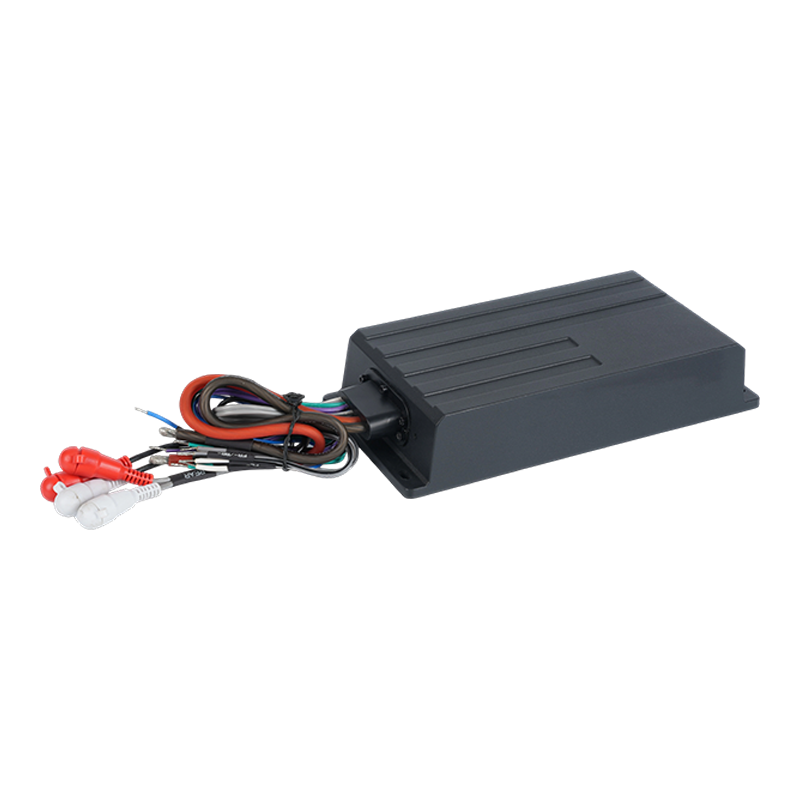
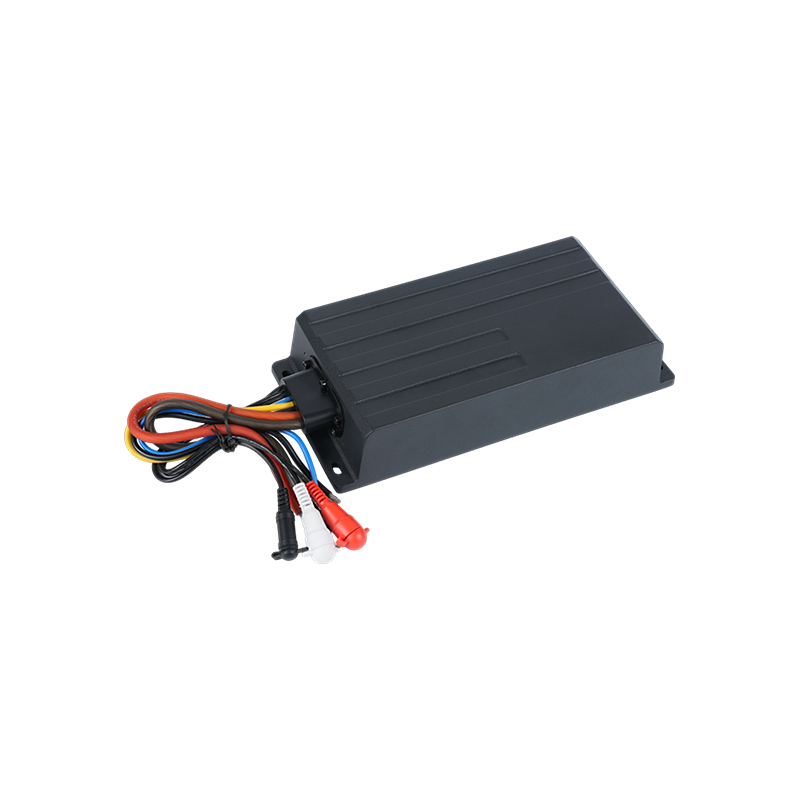
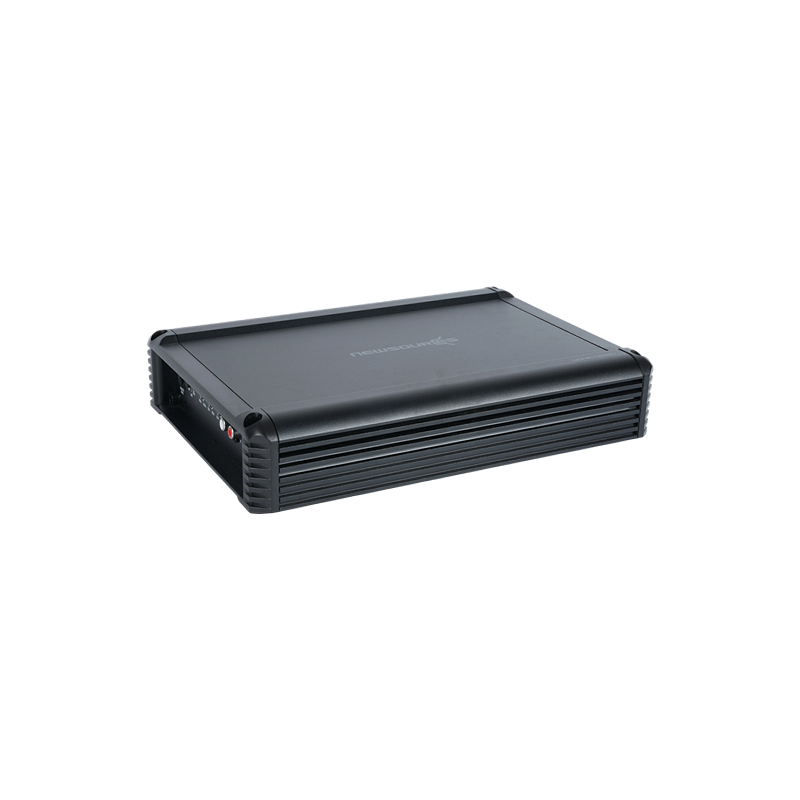
A car amplifier is an electronic device designed to increase the power of audio signals, allowing your speakers to perform at their full potential. While every modern car stereo includes a built-in amplifier of sorts, these factory units are typically underpowered, often delivering only 15 to 20 watts RMS per channel. This is far below what most quality speakers need to produce clean, detailed, and dynamic sound. A dedicated external car amplifier bridges this gap by taking the low-level signal from your head unit and boosting it to levels that can drive speakers loudly without distortion. If you've ever noticed your car audio sounding flat, muffled, or distorted at higher volumes, the root cause is almost always insufficient amplification power.
Beyond raw volume, car amplifiers also dramatically improve sound clarity. When a head unit is pushed beyond its comfortable output range, it introduces clipping — a form of distortion that not only degrades audio quality but can permanently damage your speakers over time. A properly matched amplifier ensures that your system always has headroom to reproduce audio cleanly, even at high volumes. In short, if you care about your listening experience in the car, an amplifier is not a luxury — it is a necessity.
Understanding the Different Classes of Car Amplifiers
Car amplifiers are categorized into classes based on their internal circuitry and how they process audio signals. Each class has its own strengths and trade-offs, and selecting the right one depends on your specific application and priorities.
Class A
Class A amplifiers are known for their exceptional audio fidelity. The output transistors remain active throughout the entire audio cycle, which eliminates a type of distortion called crossover distortion. The downside is that Class A amps run very hot and are highly inefficient, converting a significant portion of energy into heat rather than sound. These are rarely used in car audio due to power consumption and heat management challenges.
Class AB
Class AB is the most common type found in car audio. It combines the sound quality advantages of Class A with better efficiency. It typically operates at around 50 to 70 percent efficiency and produces very clean audio. Most full-range amplifiers used for powering door speakers and tweeters fall into this category.
Class D
Class D amplifiers are switching amplifiers that operate at up to 80 to 90 percent efficiency, generating far less heat than other classes. They are the go-to choice for powering subwoofers because they can deliver massive amounts of power in a compact form factor. Modern Class D amps have significantly improved in audio quality and are now also used for full-range applications in high-end builds.
Key Specifications You Must Understand Before Buying
Amplifier specifications can be confusing, and manufacturers sometimes use misleading numbers to make their products appear more powerful than they are. Understanding these figures is essential to making an informed purchase.
| Specification | What It Means | Why It Matters |
| RMS Power | Continuous power output under real conditions | The only accurate measure of true amplifier strength |
| Peak Power | Maximum momentary power burst | Often inflated; not a reliable performance indicator |
| THD (Total Harmonic Distortion) | Percentage of distortion added to the signal | Lower is better; ideally under 0.1% |
| Signal-to-Noise Ratio (SNR) | Ratio of signal strength to background noise | Higher values (90dB+) mean cleaner audio |
| Impedance (Ohms) | Electrical resistance of connected speakers | Must match amp's stable load rating (2Ω, 4Ω) |
| Number of Channels | How many speakers can be independently powered | Determines system flexibility and configuration |
Always compare amplifiers using RMS power ratings measured at the same impedance level (usually 4 ohms) and at the same THD percentage. This is the only apples-to-apples comparison that matters when shopping for performance.
Choosing the Right Number of Channels
The number of channels your amplifier has determines how many speakers it can power independently. Matching this to your system layout is one of the first decisions you'll need to make.
- Monoblock (1-channel): Specifically designed for subwoofers. These deliver high current and are optimized for low-frequency, high-power output. They are the standard choice for bass-heavy systems.
- 2-channel: Ideal for powering a pair of component speakers or a set of coaxial speakers. Can also be bridged to act as a monoblock for a single subwoofer in a budget build.
- 4-channel: The most versatile option for most car audio setups. Powers four full-range speakers, or three channels can run speakers while the fourth is bridged for a subwoofer.
- 5-channel: An all-in-one solution that powers four speakers and a subwoofer simultaneously from a single amplifier. Great for clean, space-saving installs.
For enthusiasts building a dedicated high-performance system, running separate amplifiers for different speaker groups (a 4-channel for mids and highs, a monoblock for the subwoofer) is typically preferred because each amp can be optimized for its specific role.
Gain Setting and Signal Matching: Getting It Right
One of the most misunderstood aspects of car amplifier installation is the gain control. Many people mistakenly treat it as a volume knob, but this is incorrect — the gain control is actually a sensitivity setting used to match the amplifier's input level to the output voltage of your head unit. Setting it too high introduces clipping from the source, while setting it too low leaves power on the table and results in a weak output.
The correct way to set gain is by using an oscilloscope or a multimeter to detect the point where clipping begins at the head unit's output, then backing the gain down just below that threshold. A simpler method is to use a digital multimeter and a test tone to calculate target voltage based on the amp's RMS power and speaker impedance. While the "by ear" method is commonly used, it often leads to improper settings that quietly damage speakers over time. Taking the time to set gain correctly is one of the most impactful things you can do to protect your equipment and maximize performance.
Crossovers and Their Role in a Multi-Amp System
Most quality car amplifiers include built-in crossovers — high-pass filters (HPF), low-pass filters (LPF), and sometimes bandpass filters. These allow you to control which frequency ranges each speaker receives, which is critical for system coherence and speaker protection.
For example, sending bass-heavy signals to small tweeters can blow them within seconds. By engaging the high-pass filter on your amplifier's front channels, you cut all frequencies below a set point (commonly 80Hz) so that tweeters and midrange drivers only receive the frequencies they are built to handle. Conversely, the low-pass filter on a subwoofer amp ensures only bass frequencies reach the woofer, preventing muddiness in the midbass region. A well-configured crossover network is what transforms a collection of speakers and amplifiers into a unified, balanced audio system.
Installation Essentials: Power, Grounding, and Wiring
Even the best amplifier will underperform or fail entirely if installed incorrectly. Proper wiring is the foundation of any reliable car audio system. The most common installation mistakes include using undersized power cables, poor ground connections, and incorrect fusing.
- Power cable: The gauge must match the amplifier's current draw. A 1000W RMS amplifier typically requires at least a 4-gauge power cable. Running too thin a cable creates resistance that robs power and generates dangerous heat.
- Ground connection: The ground wire must connect to bare metal on the vehicle chassis as close to the amplifier as possible — ideally within 18 inches. A poor ground is the single most common cause of noise, hum, and amplifier malfunction.
- Fusing: An inline fuse should be installed within 18 inches of the battery on the power cable. This protects your vehicle's wiring in the event of a short circuit and is a critical safety requirement.
- RCA cables: Use high-quality, shielded RCA cables routed away from power cables to prevent interference and alternator whine from bleeding into the audio signal.
Taking the time to do a clean, professional-quality installation not only protects your investment but also ensures that the amplifier performs exactly as its specifications promise.
Matching Amplifiers to Speakers: Power Compatibility Explained
A common concern among car audio enthusiasts is whether an amplifier can damage their speakers. The answer lies in proper power matching. Each speaker has a rated RMS handling capacity, and the amplifier powering it should ideally deliver between 75 and 150 percent of that RMS rating. Underpowering a speaker is actually more dangerous than overpowering it, because an underpowered amp pushed into clipping sends a distorted signal that generates excess heat in the speaker's voice coil — the primary cause of speaker failure.
When building a system, always reference the RMS ratings — never the peak ratings — for both the amplifier and the speakers. Match impedance values carefully and verify that the amp is stable at the load you intend to run. A well-matched system will play louder, last longer, and sound significantly more refined than a mismatched one, regardless of how much money was spent on the individual components.
Final Thoughts: Investing in the Right Amplification
Car amplifiers are the heart of any serious car audio system. They determine how much power your speakers receive, how clean that power is, and ultimately how good your music sounds while you're driving. Whether you're building a budget upgrade to breathe new life into factory speakers or constructing a competition-level audio system from scratch, understanding amplifier classes, specifications, channel configurations, and proper installation principles will help you make smarter decisions and get the most out of every dollar you spend. Prioritize RMS power, clean gain staging, and solid wiring, and your car audio system will reward you with years of exceptional listening enjoyment.