Thermal Management Approaches for High-Power Car Amplifiers
Heat buildup is one of the leading causes of premature car amplifier failure, especially in compact vehicle environments. Beyond the standard inclusion of heat sinks, manufacturers often adopt multi-layer PCB structures with optimized copper thickness to improve heat dissipation. High-power MOSFETs are also arranged to distribute thermal load evenly across the board rather than concentrating heat in one zone. Some advanced designs incorporate thermal throttling algorithms in the DSP to temporarily reduce output power when temperatures approach critical thresholds.
EMI Reduction Techniques in Modern Amplifier Design
Electromagnetic interference is a major challenge, particularly for vehicles with extensive digital systems. Shielded inductors, optimized grounding paths, and well-separated analog/digital sections are key design choices. SMT assembly allows tighter component tolerances, contributing to reduced noise coupling. Applying multi-stage filtering at both input and output further minimizes interference in complex vehicle electrical environments.
Common EMI Control Methods
- Star-grounding layouts to prevent ground loops.
- Use of ferrite beads on signal lines for high-frequency suppression.
- Differential input designs to combat external noise.
Component Aging and Long-Term Stability in Amplifiers
Long-term stability depends heavily on how well components withstand heat cycles and vibration. For example, electrolytic capacitors tend to dry out over time; therefore, automotive-grade capacitors with extended temperature ranges (-40°C to +105°C or higher) are preferred. Manufacturing facilities that employ 100% aging tests can identify early-life failures, ensuring that only stable units continue to final assembly.
Typical Aging-Sensitive Components
| Component |
Behavior Over Time |
Improvement Strategy |
| Electrolytic Capacitors |
Drying, ESR increase |
Automotive-grade, higher-temp rating |
| Power MOSFETs |
Thermal stress, switching loss |
Optimized heat path & gate driving |
| Inductors |
Potential core saturation |
Shielded, low-loss materials |
Design Considerations for Marine Amplifiers
Marine environments impose special demands compared to automotive use. Salt mist, humidity, and UV exposure necessitate reinforced protective measures. Internal PCBs may receive conformal coatings, while external casings often use corrosion-resistant materials. Connectors are typically gold-plated or sealed with silicone gaskets to prevent oxidization and moisture ingress.
Environmental Protection Methods
- Use of marine-grade stainless or anodized aluminum housings.
- Potting sensitive components for moisture resistance.
- UV-stabilized plastics for switches and logos.
Advanced Signal Processing Trends in Car Audio Systems
Modern car amplifiers increasingly integrate digital signal processors (DSPs) that support time alignment, multi-band EQ, dynamic loudness, and automatic calibration. High-resolution audio trends drive the adoption of 24-bit/192 kHz processing chains. Manufacturers with strong AP testing capabilities can fine-tune THD+N, SNR, and channel separation to meet audiophile expectations.
Useful DSP Features for System Optimization
- Per-channel delay for precise sound-stage imaging.
- Parametric EQ with adjustable Q-factors.
- Limiters to prevent speaker damage during high-load operation.
Quality Assurance Practices in Professional Amplifier Manufacturing
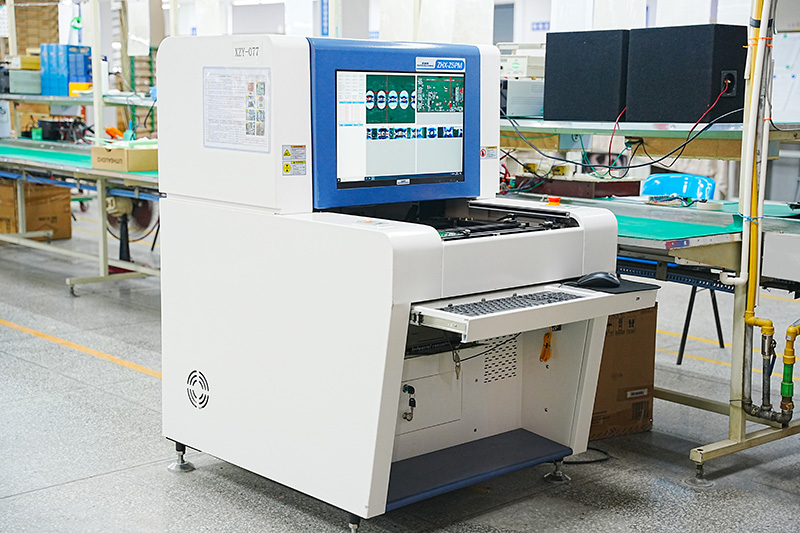
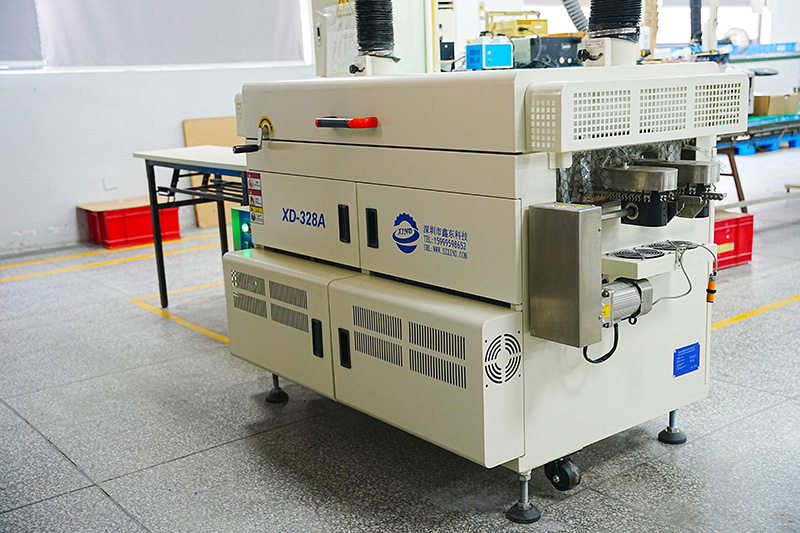
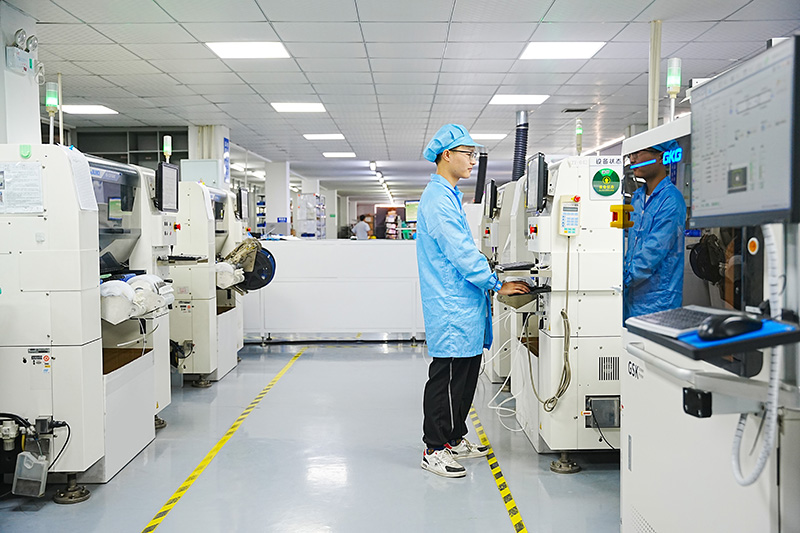
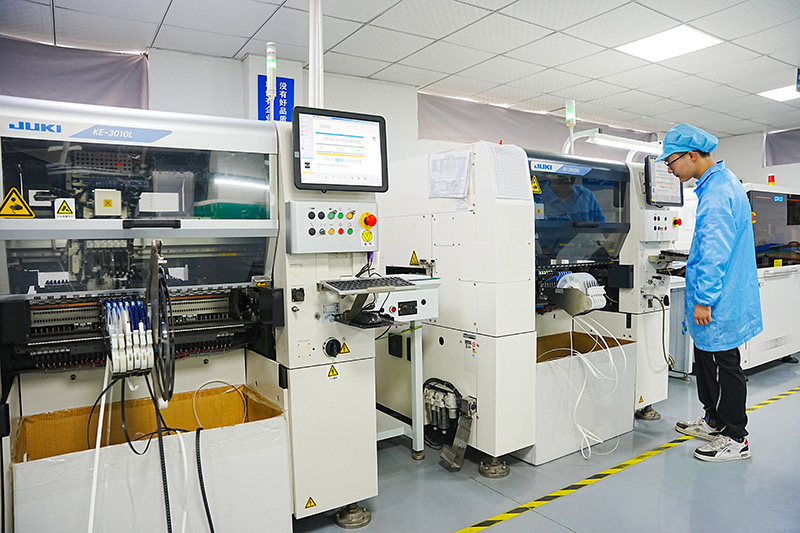
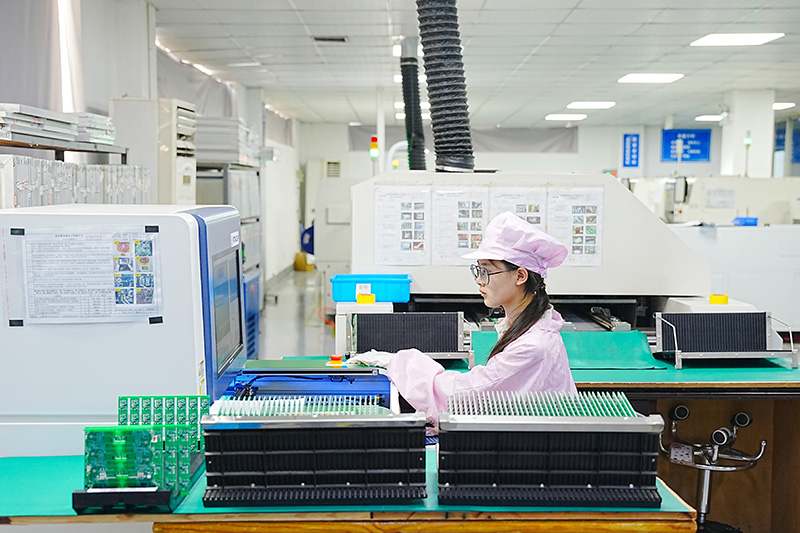
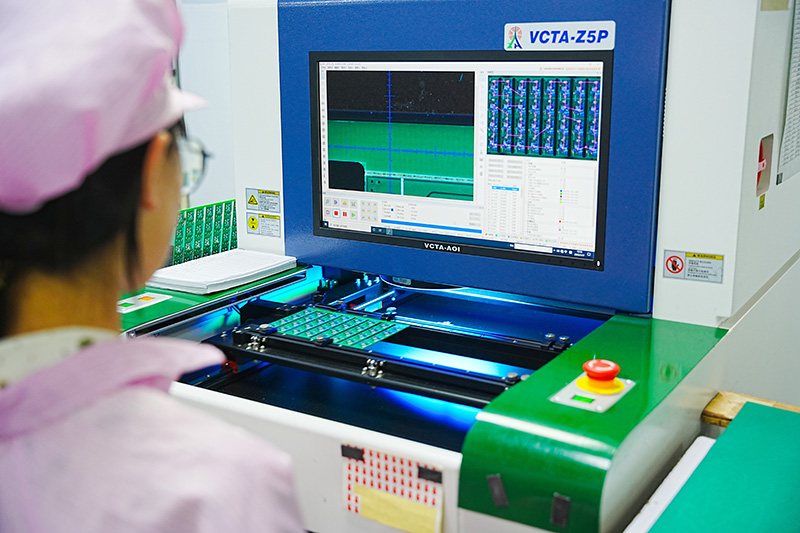
Advanced facilities employ multi-stage inspections to guarantee consistency. SMT lines ensure placement precision, while AOI inspection detects solder bridges and polarity mistakes at an early stage. Wave soldering contributes to reliable mass production for through-hole components. Comprehensive AP testing verifies audio performance metrics, and 100% aging tests expose early-life defects before shipping.
Typical Stages in a High-Level QA Workflow
- SMT placement → AOI → manual check for critical circuits.
- Wave soldering and post-solder review.
- Automated AP audio analysis for every unit.
- Extended aging test under varying loads and temperatures.


 EN
EN

 English
 Español
 عربى
عربى




.jpg)
.jpg)