How Professional Production Lines Improve Consistency in Multichannel Marine Amplifiers
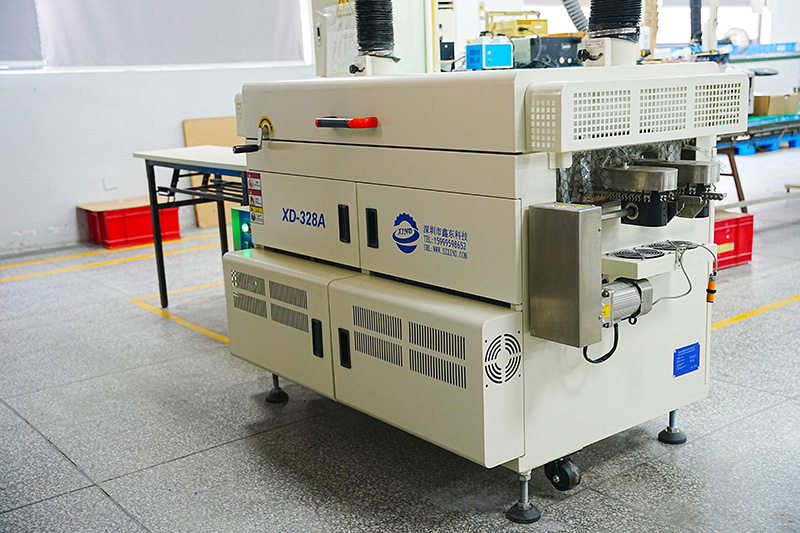
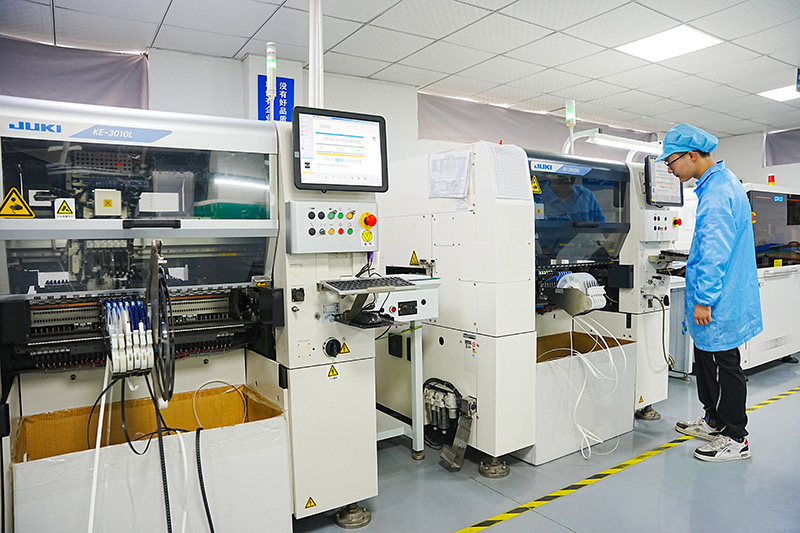
Consistency for multichannel marine amplifiers starts long before the enclosure is sealed: it begins on the PCB. Tight control of SMT placement, solder paste volume, and reflow profiling reduces intermittent solder joints and thermal stress that later manifest as channel imbalance or intermittent channels under marine vibration. In practice this means using calibrated stencil printers, controlled paste inspection, and closed-loop reflow ovens whose thermal profiles are logged per-lot so process drift can be traced back to a specific batch when anomalies appear during burn-in.
Automated optical inspection and electrical gating to stop defects early
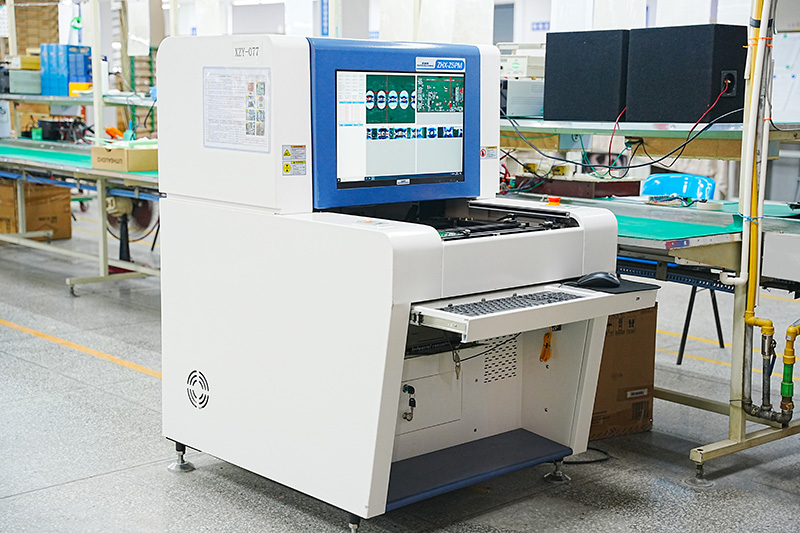
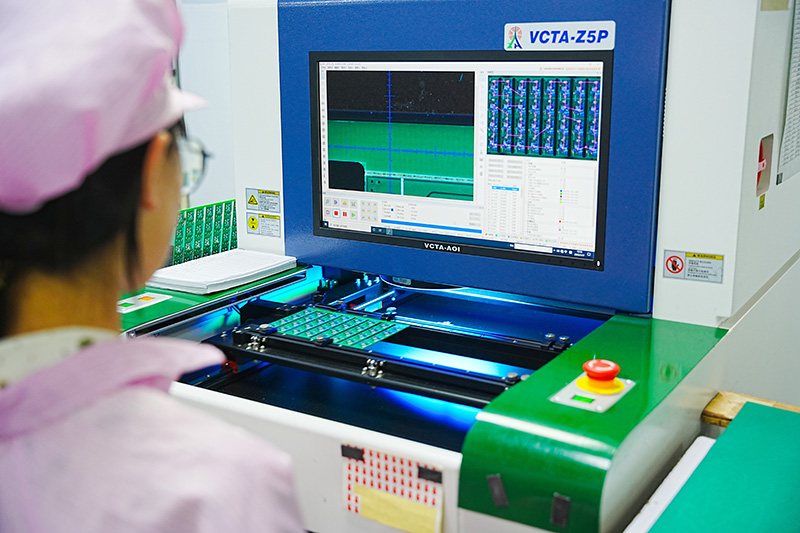
Automated Optical Inspection (AOI) and in-line electrical tests act as speed bumps: they catch misplaced components, tombstoning, and short/open conditions immediately after assembly. For multichannel designs where one failed channel can ruin user experience, AOI reduces field fault rates by rejecting assemblies with marginal component placement. Electrical AP testing following AOI validates amplifier rails, bias points and channel DC offsets before the device proceeds to potting or final assembly, preventing rework that would compromise enclosure seals and long-term waterproof integrity.
Practical gating items to include
- Solder paste volume checks and X–Y placement tolerance thresholds logged per board lot.
- AOI rulesets tuned to detect component skew and polarity for power-stage devices on multichannel boards.
- Automated DC offset and short-circuit detection on each output channel before conformal coating or potting.
Process control for enclosure assembly and connector reliability
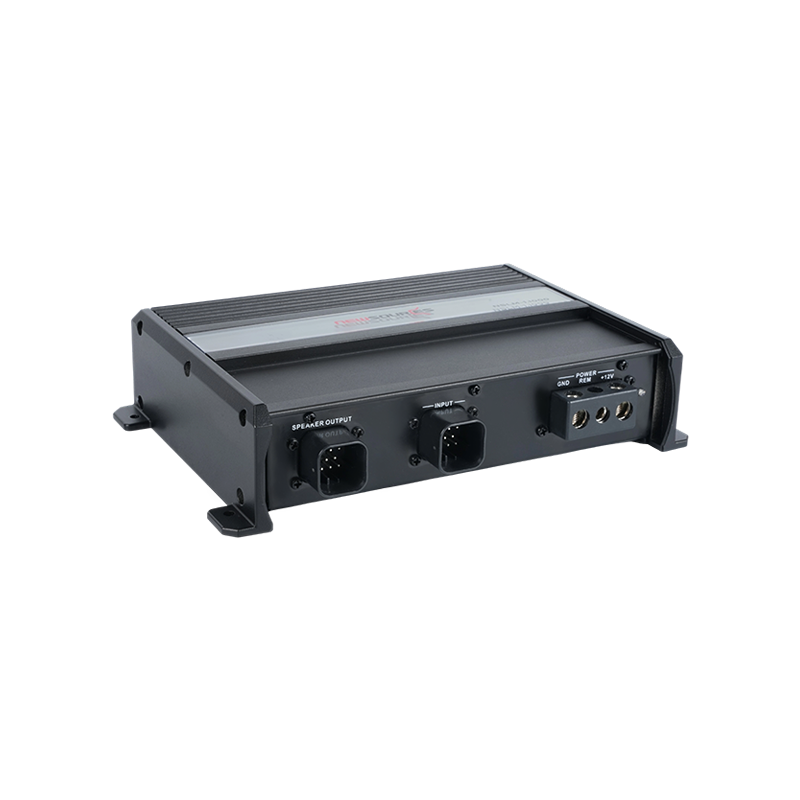
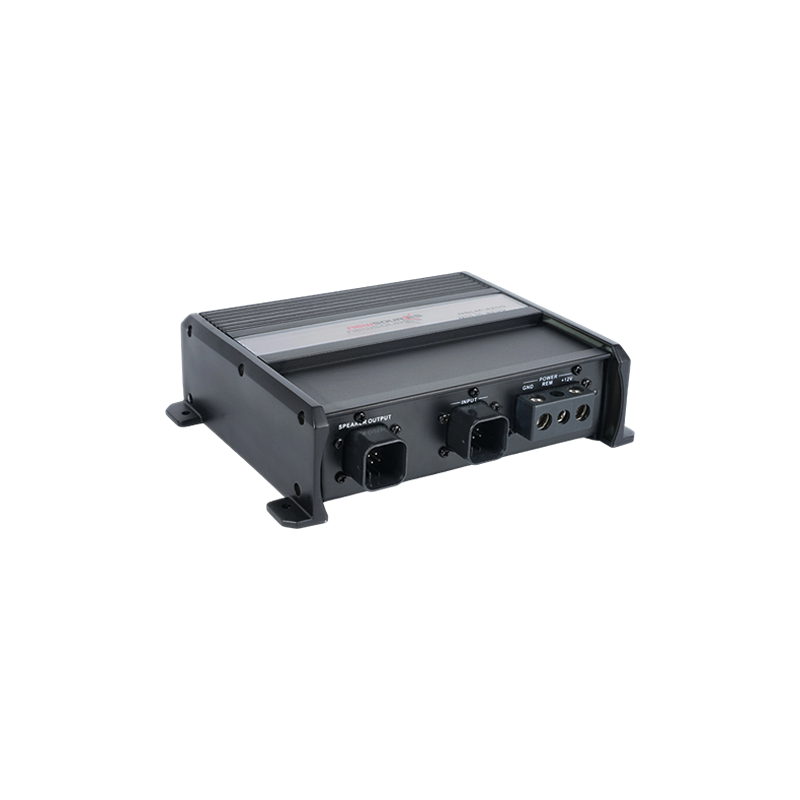
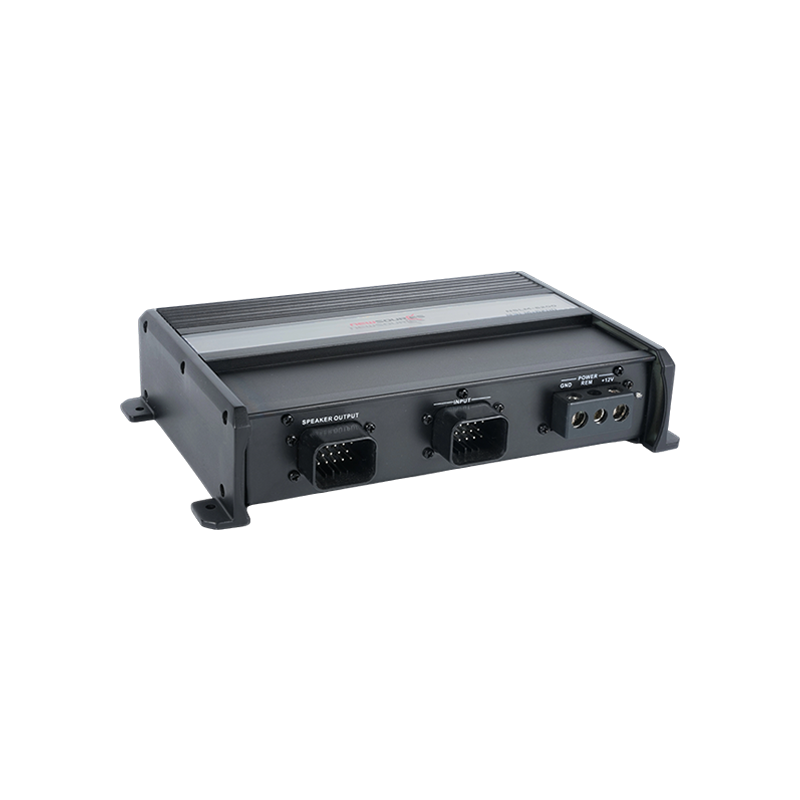
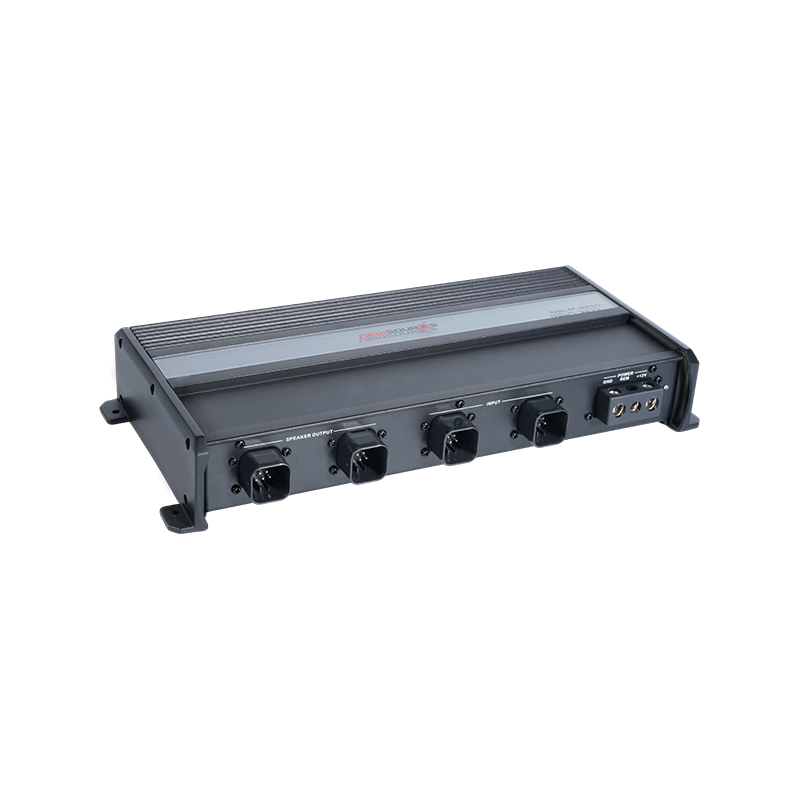
A consistent multichannel marine amplifier depends equally on mechanical assembly: gasket compression, fastener torque, connector seating and sealant cure are all process variables. Use calibrated torque drivers with traceable logs, assembly fixtures that ensure repeatable seating of single-side panel connectors, and controlled potting stations with measured viscosity/temperature. When every input and output interface is located on one side of the amplifier for serviceability, jigs that align connectors and confirm mating depth eliminate micro-gaps that later become corrosion paths in salt-air environments.
Operator controls and workforce practices
- Standardized work instructions with visual torque marks and mating-depth diagrams for connector blocks.
- Periodic retraining and skill assays—bench exercises—to keep experienced operators aligned on subtle assembly tolerances.
- First Article Inspection (FAI) when tooling or supplier lots change, to lock in assembly references for future production.
100% functional aging and environmental screening for multichannel stability
End-of-line 100% aging under load is a reality for reliable multichannel marine amps: simultaneous driving of all channels at realistic power levels while cycling temperature and exercising signal-sensing features reveals early-life failures such as thermal drift, channel clipping and solder fatigue. Combining this with humidity or salt-spray preconditioning for selected lots accelerates identification of marginal seals or conformal coating gaps that can cause asymmetrical channel degradation in service.
| Production Stage |
Control Measure |
Benefit to Multichannel Marine Amplifiers |
| SMT & Reflow |
Stencil QC, logged reflow profiles |
Reduces intermittent channel faults and thermal-stress failures |
| AOI & AP Test |
Automated inspection and DC/gain gating |
Stops boards with channel-level defects before assembly |
| Final Assembly |
Torque-controlled fasteners, connector jigs |
Ensures repeatable gasket compression and waterproof sealing |
| Aging & Environmental Test |
Full-channel load aging, humidity/salt preconditioning |
Reveals early-life channel drift and corrosion susceptibility |
Traceability, data logging and continual improvement loops
Consistent quality is a data problem as much as it is a manufacturing problem. Traceable serial records that link a multichannel amplifier to its PCB lot, AOI image set, AP test parameters, operator ID and aging result enable rapid root-cause analysis when a rare channel failure reaches the field. Implementing Statistical Process Control (SPC) on key metrics—channel DC offset, solder joint X-ray yield, connector insertion force—turns outlier events into actionable process corrections rather than recurring field defects.
Bringing it together: why experienced teams and local manufacturing matter
Beyond equipment, an experienced production team shortens the stabilization period for new multichannel amplifier models. When technicians and engineers understand audio power-stage nuances and connector seal behaviours, they spot deviations before data flags them. Locating manufacturing near a talent pool with expertise in precision assembly and testing reduces recruitment friction and supports continuous product-improvement cycles—turning robust processes into consistently reliable multichannel marine amplifiers for yachts, speedboats and other marine installations.


 EN
EN

 English
 Español
 عربى
عربى




.jpg)
.jpg)