Thermal Constraints Unique to Mini Car Amplifier Designs
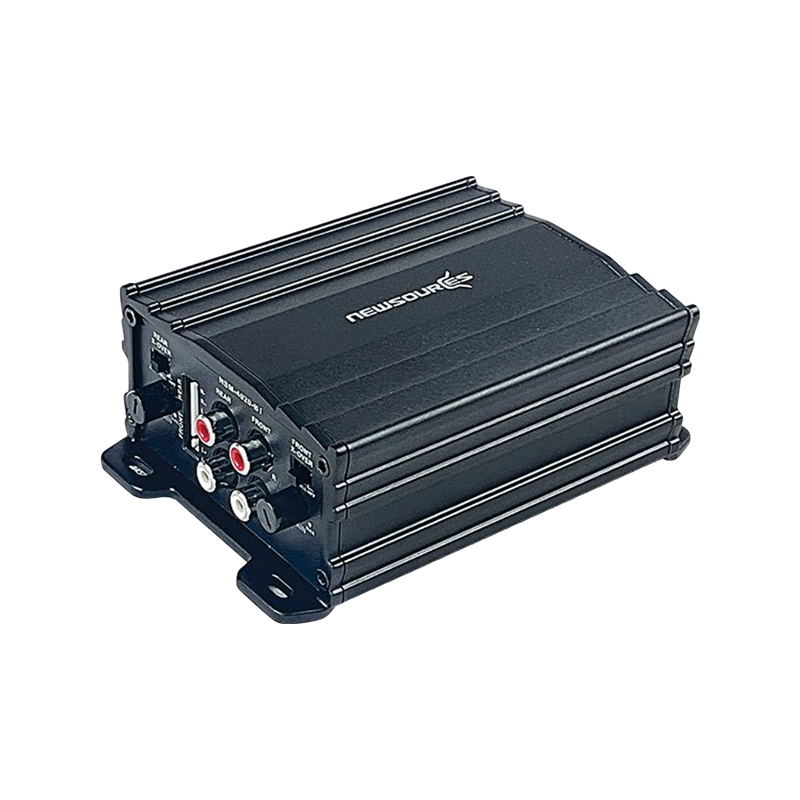
Mini car amplifiers face far greater thermal density challenges compared to full-size models because their compact housings limit both heat dissipation surfaces and internal airflow. Designers must balance power output with thermal stability, often relying on advanced PCB layouts using copper planes, strategic component spacing, and MOSFETs with lower Rds(on) to reduce heat generation. In many compact Class D mini amplifiers, temperature sensors and dynamic thermal throttling algorithms are integrated to prevent overheating during long high-load sessions. Proper installation—such as avoiding enclosed compartments—can further enhance the amplifier’s operational lifespan.
How Mini Amplifiers Maintain Signal Integrity in Confined Circuit Layouts
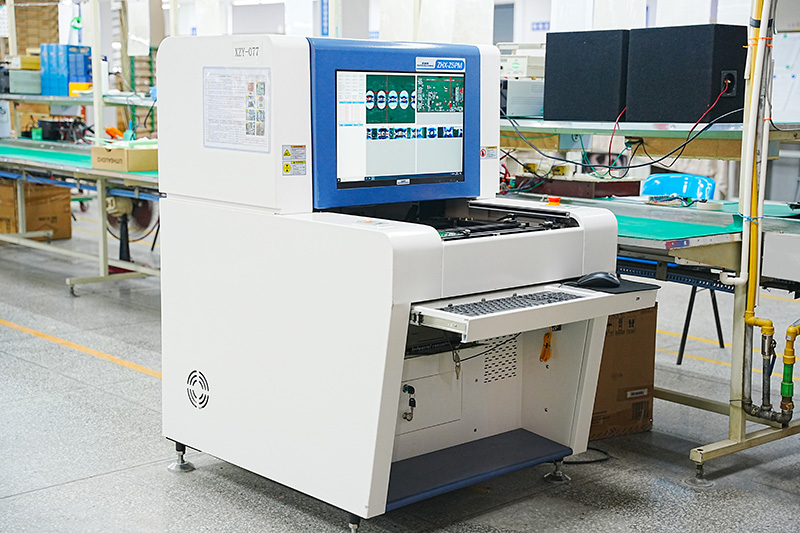
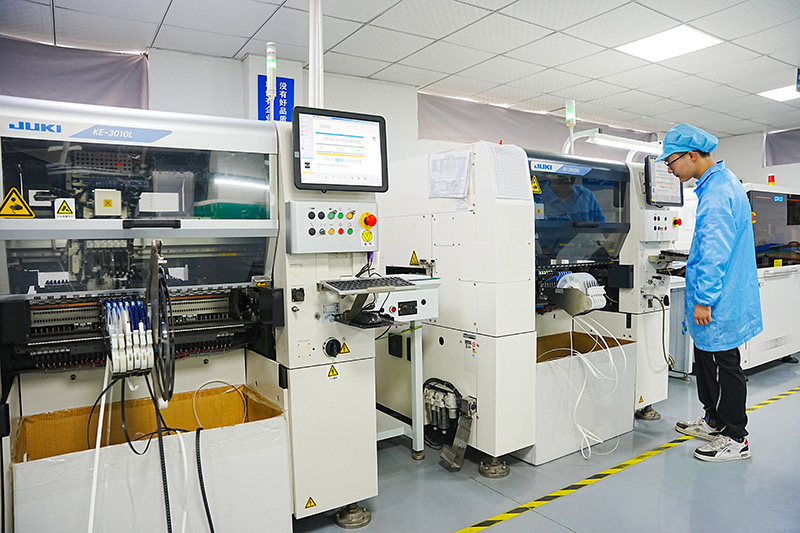
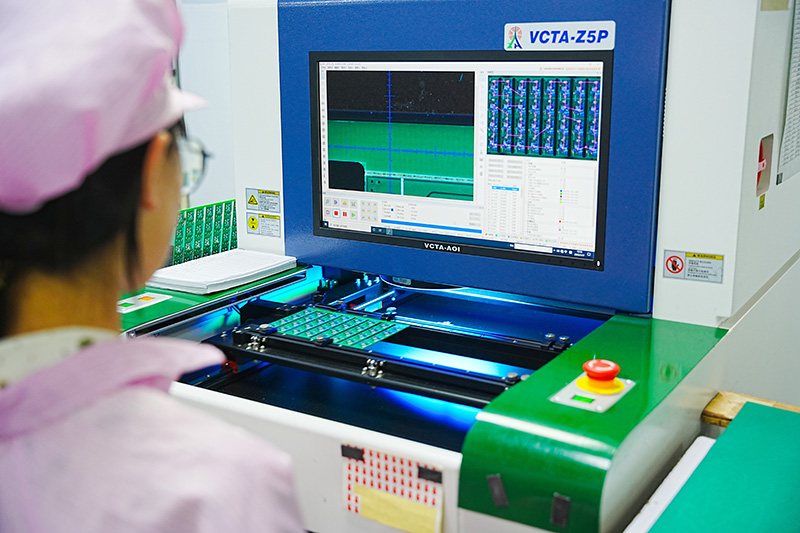
In small amplifier architectures, the biggest threat to signal integrity is electromagnetic interference caused by tightly packed power and audio signal paths. To counter this, engineers apply multilayer PCBs that separate high-current circuits from low-noise signal traces. Differential input stages, shielded inductors, and ground isolation zones help minimize noise injection. Manufacturers like Newsources, with in-house SMT and AOI inspection, can maintain precise component placement and solder quality—critical for stable signal reproduction within miniaturized platforms.
Installation Scenarios Where Mini Amplifiers Outperform Standard Models
Mini car amplifiers are particularly advantageous in vehicles with limited space or non-traditional installation conditions. They can be mounted behind dashboards, inside glove compartments, under seats with minimal clearance, or even near factory harness locations to support OEM-integration upgrades. Their lightweight design makes them ideal for electric vehicles where weight optimization directly affects driving range. In multi-amplifier configurations, minis can serve as dedicated channel extensions for tweeters or midranges without consuming trunk space.
Optimizing Power Supply Efficiency in Compact Amplifier Platforms
Because mini amplifiers rely on smaller power supplies, efficiency becomes a critical performance factor. High-frequency switching supplies allow compact transformers and inductors, while synchronous rectification improves conversion efficiency by reducing diode losses. Engineers may adopt soft-start circuits to prevent inrush current from stressing vehicle electrical systems. Below is a comparison of common PSU techniques used in mini car amplifiers:
| Power Supply Technique |
Advantages |
Typical Use in Mini Amps |
| High-Frequency SMPS |
Smaller components, higher efficiency |
Standard |
| Synchronous Rectification |
Lower heat generation |
Preferred for premium compact units |
| Soft-Start Circuitry |
Protects vehicle battery and internal components |
Often included |
Durability Considerations for Mini Car Amplifiers in Harsh Environments
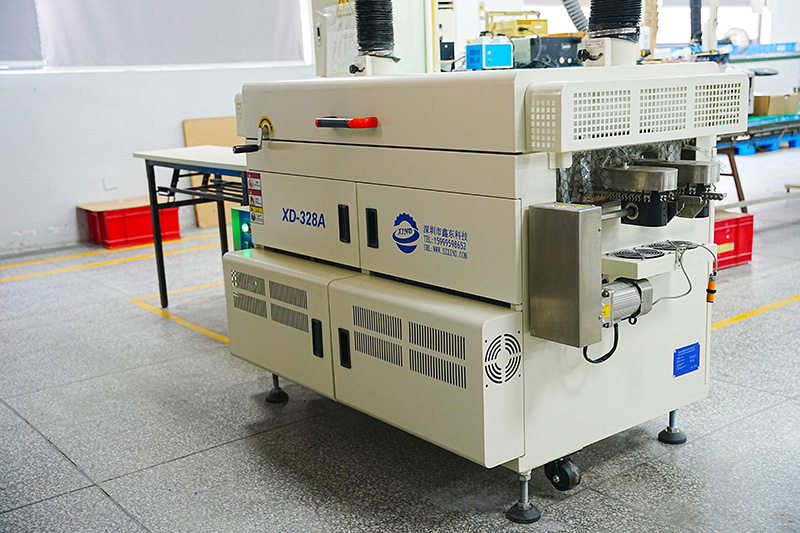
Mini amplifiers are frequently positioned in tight spaces that experience high vibration, dust accumulation, or fluctuating cabin temperatures. To enhance durability, manufacturers rely on resin-sealed inductors, vibration-resistant SMT components, and thick solder points validated through AOI and wave-soldering inspections. The smaller enclosure volume can allow faster thermal cycling, so aging tests—such as the 100% aging test conducted by Newsources—help ensure long-term stability even when the amplifier is used near its maximum operational load.
When a Mini Amplifier Is the Ideal Choice in a System Upgrade
Mini car amplifiers are especially suitable when the upgrade goal is clarity rather than extreme volume. They pair well with efficient Class D topologies, making them a strong match for modern coaxial speakers or factory midrange drivers. In stealth installations, where the customer wants no visible modifications, mini amplifiers can be concealed while still providing noticeable improvements in soundstage and frequency balance. They are also ideal for modular system designs, allowing users to begin with a compact setup and later add sub amplifiers or DSP units without reworking the original installation space.


 EN
EN

 English
 Español
 عربى
عربى





.jpg)

.jpg)