Switching Frequency Considerations in Entrance-Level Class D Amplifiers
Entry-level Class D car amplifiers often face a balance challenge between cost control and performance. One of the most critical design factors is switching frequency. Higher frequencies reduce output filter size and improve audio smoothness, but they generate more switching losses and require higher-grade MOSFETs. Manufacturers commonly adopt mid-range frequencies around 250–400 kHz for cost-effective builds, ensuring a stable compromise between distortion performance and thermal efficiency. Precise AP testing helps identify whether switching artifacts remain within acceptable thresholds for mainstream consumers.
Optimizing PCB Layout for Low-Noise Budget-Class Class D Designs
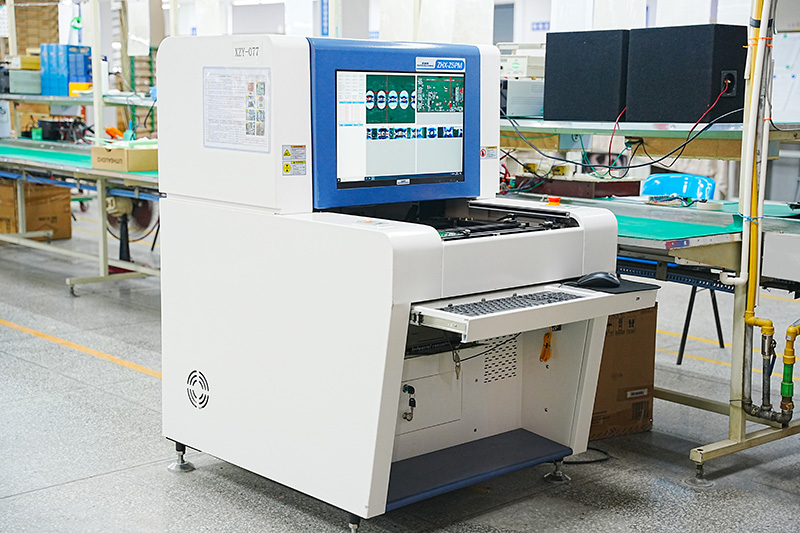
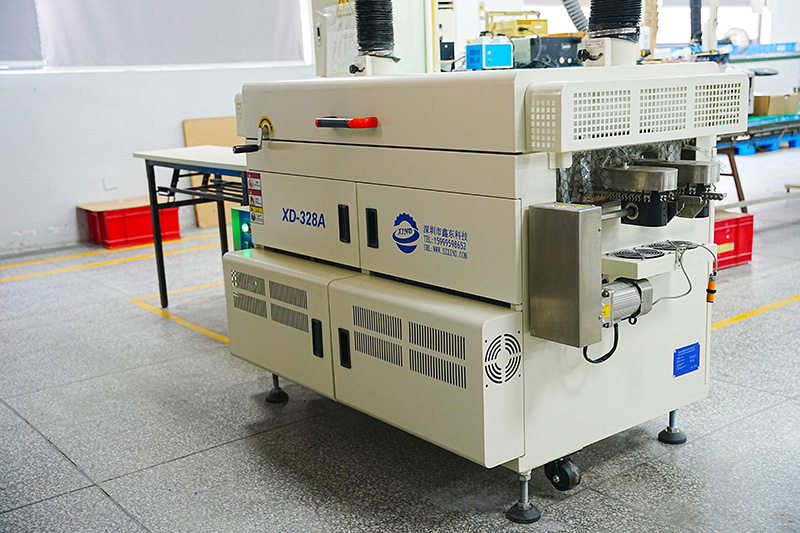
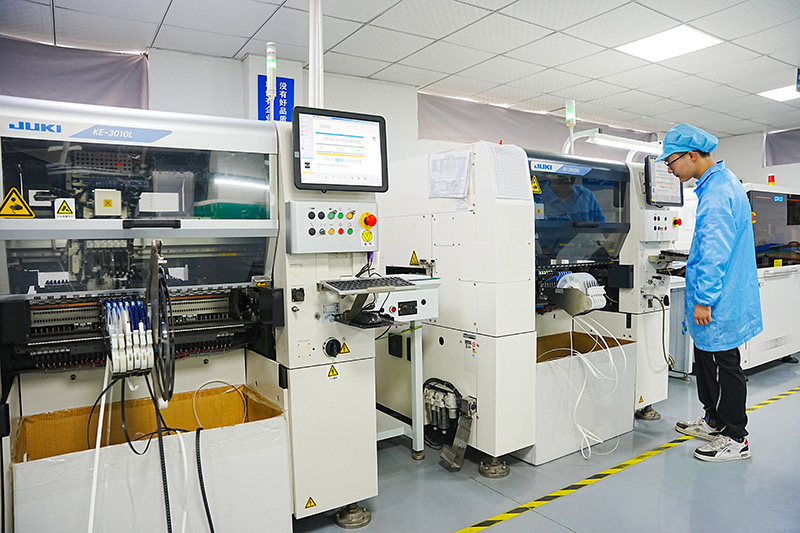
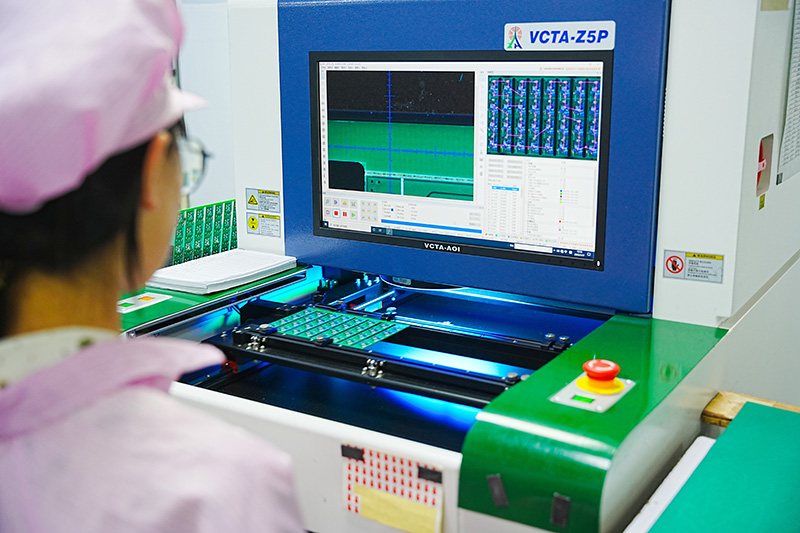
PCB layout is especially important in budget Class D amplifiers, where the margin for component over-specification is limited. Designers usually focus on minimizing loop area in high-current paths, positioning MOSFETs and inductors close to the driver IC, and implementing ground planes to reduce EMI radiation. In manufacturing facilities equipped with SMT and AOI systems, the consistency of placement and solder quality significantly improves noise performance across large production batches.
Key Layout Strategies
- Short, wide traces for switching nodes to reduce ringing.
- Separated analog input path to avoid coupling with high-current loops.
- Thermal vias placed under MOSFET pads for better dissipation.
Thermal Load Management in Compact Class D Amplifier Housings
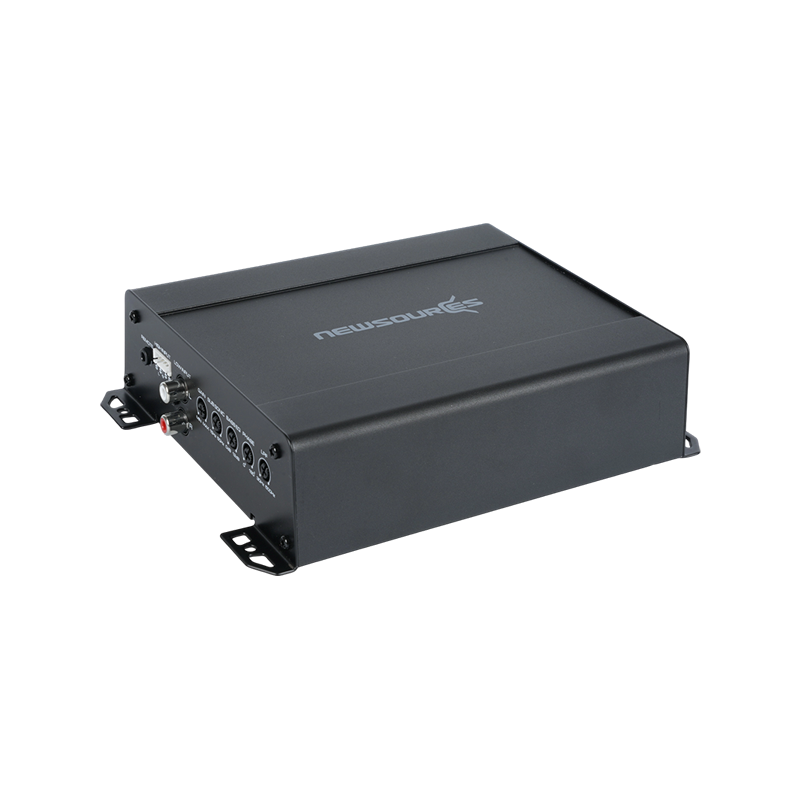
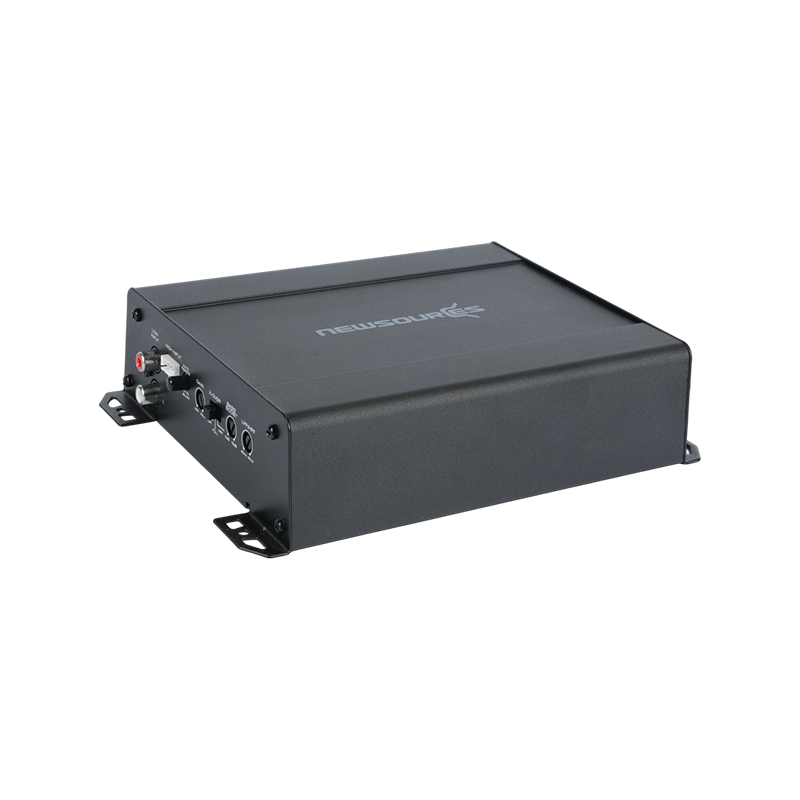
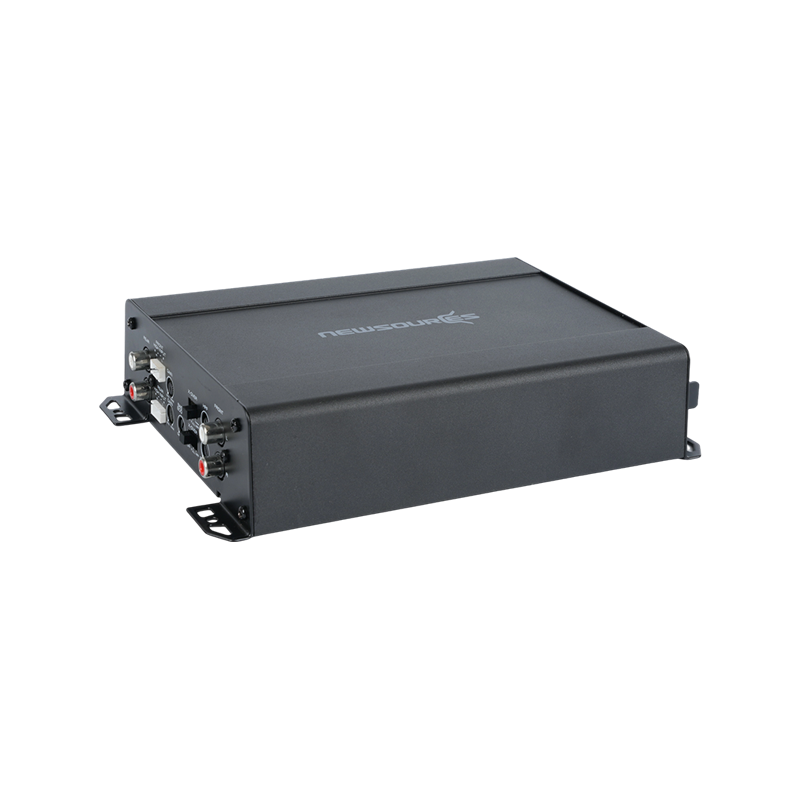
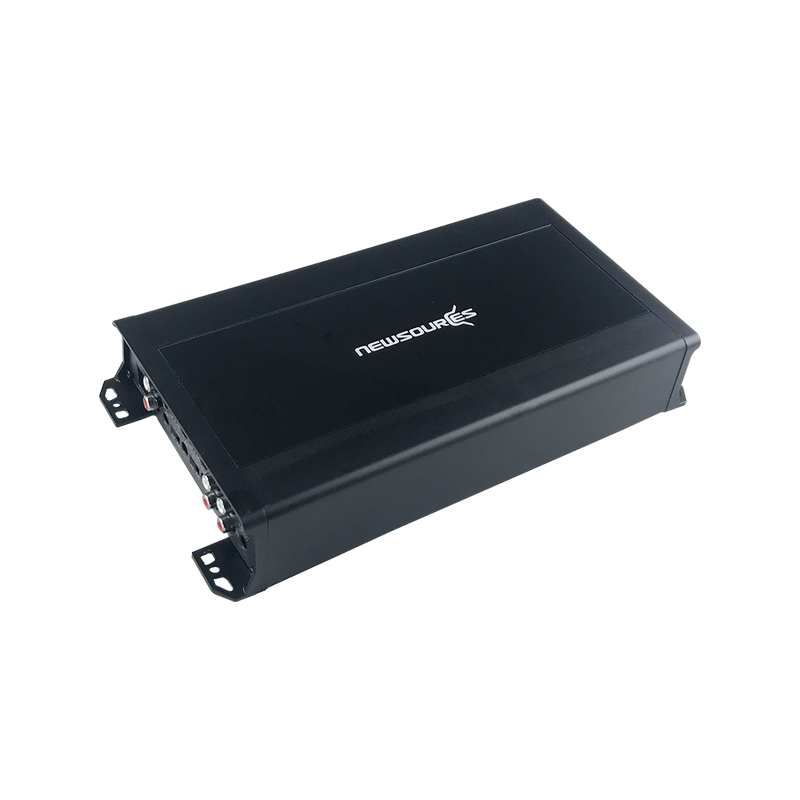
Class D Entrance Level Car Amplifier are often housed in smaller enclosures due to cost and space constraints. Managing heat in compact spaces requires selecting efficient switching components, optimizing heat sink orientation, and ensuring sufficient ventilation openings. Some manufacturers apply temperature-based power limiting, where the amplifier reduces output temporarily to protect internal components. Facilities with 100% aging tests can verify the long-term reliability of these thermal management mechanisms under continuous load.
Choosing Output Inductors for Entry-Level Class D Amplifiers
Output inductors significantly influence efficiency, distortion, and EMI performance. Entry-level amplifiers typically use ferrite-core inductors due to their balance of cost and performance. However, careful selection is required to avoid saturation at higher output levels. Shielded inductors also help to reduce radiated noise, an important factor when the amplifier is installed near vehicle infotainment systems or wiring harnesses.
Common Inductor Types and Their Characteristics
| Inductor Type |
Advantages |
Considerations |
| Ferrite Core |
Low loss, cost-effective |
Possible saturation at high current |
| Powdered Iron Core |
Wide saturation range, stable inductance |
Higher cost for mass production |
| Shielded Inductor |
Reduced EMI radiation |
Slightly larger footprint |
Understanding the Efficiency–Distortion Tradeoff in Budget Class D Models
While Class D amplifiers are known for high efficiency, entrance-level models often face a performance ceiling based on the quality of switching devices and gate drivers. Increasing efficiency usually means a sharper switching edge, which in turn may increase EMI and switching noise. Manufacturers use AP testing to fine-tune dead-time control, ensuring that the amplifier reaches a stable balance between total harmonic distortion (THD) and overall efficiency that suits the expectations of the entry-level consumer segment.
Connector and Terminal Design for Entry-Level Installations
Budget-friendly amplifiers still require robust and user-friendly connectors since many users perform DIY installations. Terminals must accommodate variations in wire gauge, maintain high contact integrity, and resist vibration in automotive environments. High-quality gold-plated or nickel-plated terminals are common, and manufacturers with strong quality inspection systems ensure consistent clamping force and plating adhesion across batches.
Key Characteristics of Reliable Wiring Terminals
- High-tension spring or screw-based clamping for vibration resistance.
- Corrosion-resistant plating for long-term electrical stability.
- Optimized entry angle that simplifies wiring during tight-space installs.
Testing Procedures That Impact the Reliability of Low-Cost Class D Amplifiers
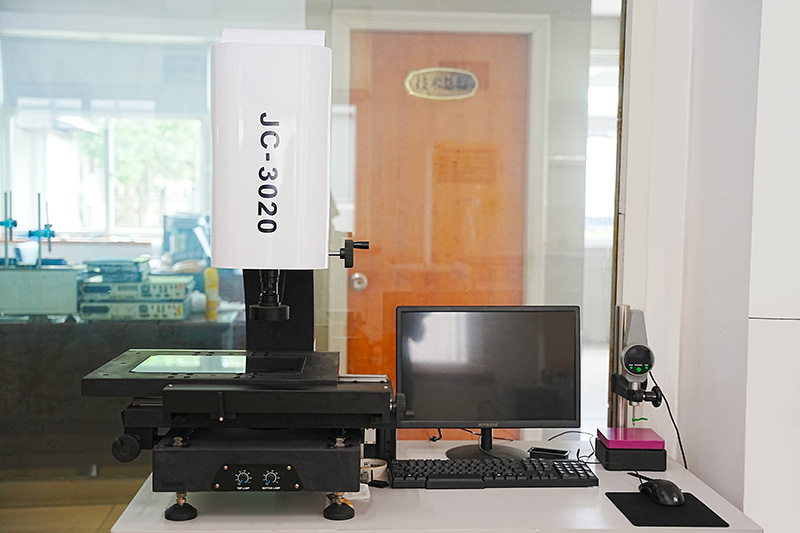
In the entry-level market, consistent testing is crucial for maintaining brand reputation. Factory processes that incorporate SMT, AOI, wave soldering, and AP audio measurement ensure minimal variation between units. 100% aging tests, especially under elevated temperature and load, reveal weaknesses such as unstable gate drivers or insufficient heat sinking. This structured approach helps maintain stable long-term performance even when pricing is competitive.


 EN
EN

 English
 Español
 عربى
عربى




.jpg)
.jpg)