When integrating a Bluetooth receiver into a high-fidelity car audio system, the bottleneck often lies not in the amplifier’s power, but in the transmission codec used by the receiver. Standard SBC (Sub-band Coding) compresses audio significantly, often capping bitrates around 328 kbps, which can result in a loss of dynamic range and clarity, particularly in the high frequencies. For audiophiles seeking to match the capabilities of premium amplifiers, prioritizing receivers that support aptX HD or LDAC is crucial. LDAC, for instance, allows for streaming at up to 990 kbps, which preserves near-lossless quality. Through our rigorous AP testing stages, we have observed that amplifiers fed by high-bitrate codecs maintain a significantly lower noise floor and better harmonic distortion profiles compared to those fed by standard Bluetooth compression.
| Codec Name |
Max Bitrate |
Audio Quality Potential |
| SBC |
328 kbps |
Standard / Basic |
| aptX |
352 kbps |
CD-Like Quality |
| aptX HD |
576 kbps |
High Definition |
| LDAC |
990 kbps |
Near-Lossless / Hi-Res |
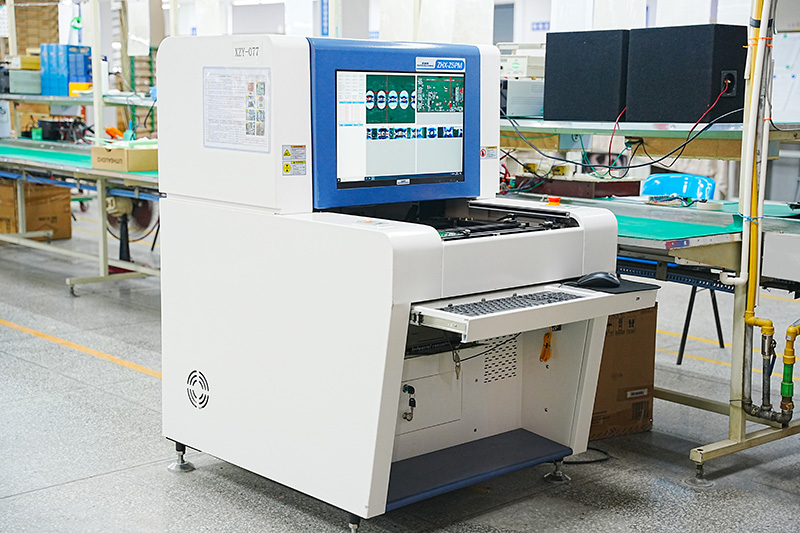
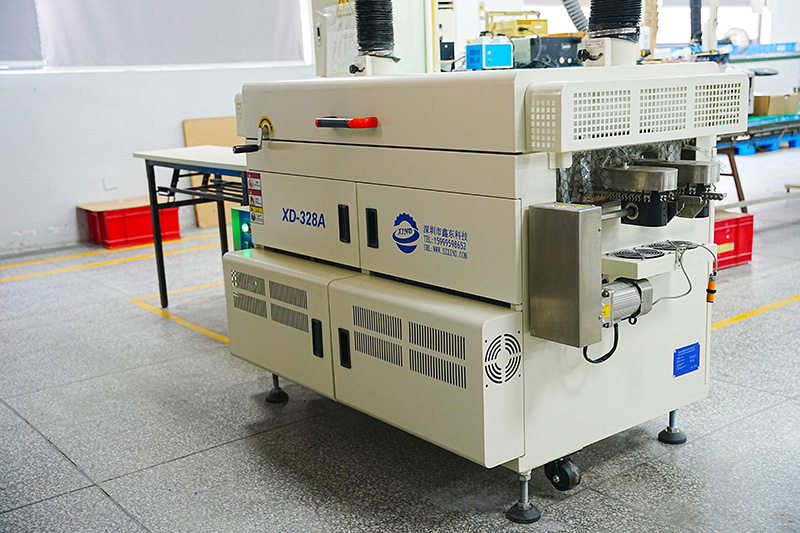
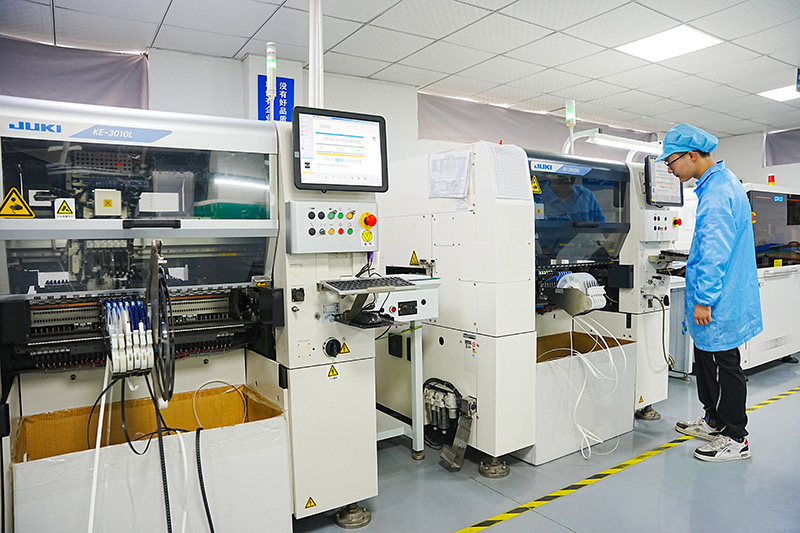
The distinction between a standard automotive Bluetooth receiver and a marine-grade unit extends far beyond the exterior plastic casing. The core differentiator lies in the treatment of the internal Printed Circuit Board (PCB). True marine audio bluetooth receivers utilize conformal coating—a protective chemical film applied to the electronic circuitry. This coating acts as a barrier against moisture, dust, salt spray, and temperature extremes that lead to corrosion and electrical shorts. In a marine environment, salt fog is particularly aggressive, capable of eating through untreated solder joints in a matter of months. Having spent over two decades concentrating on marine-grade production, we utilize advanced SMT assembly and wave soldering processes that are specifically calibrated to ensure these protective coatings adhere perfectly without compromising connectivity.
Key Environmental Threats to Marine Receivers
- Thermal Cycling: Rapid changes in temperature can cause expansion and contraction, cracking solder joints if not properly aged and tested.
- Salt Fog Corrosion: Conductive electrolytes in salt spray facilitate galvanic corrosion between dissimilar metals on the PCB.
- UV Radiation: While mostly affecting the housing, UV can penetrate translucent casings and degrade internal components over time.
Voltage Output Matching for Optimal Gain Staging
A frequently overlooked specification when selecting audio Bluetooth receivers is the pre-amp output voltage. Many consumer-grade adapters only output between 1V and 1.5V. When connected to a powerful amplifier, this low voltage signal forces the installer to turn the amplifier's gain setting excessively high to achieve the desired volume. This practice amplifies the background noise (hiss) along with the music, degrading the signal-to-noise ratio (SNR). High-performance receivers typically offer output voltages of 2V, 4V, or even higher. A higher voltage output allows the amplifier gain to remain low, ensuring a cleaner, punchier sound. Utilizing top-tier testing equipment in our facility, we consistently verify that signal processors and receivers maintain voltage stability even under load to prevent clipping distortion.
Solving Ground Loop Issues in Aftermarket Installations
One of the most common issues when retrofitting Bluetooth capability into older vehicles or boats is the introduction of ground loop noise—manifesting as a high-pitched whine that fluctuates with engine RPM. This occurs because the Bluetooth receiver and the amplifier may have different grounding potentials. To mitigate this without sacrificing audio quality, it is essential to look for receivers with isolated power supplies or to implement a high-quality ground loop isolator. However, cheap isolators can act as low-pass filters, cutting off bass frequencies. The most effective approach is ensuring the receiver shares the exact same grounding point as the amplifier. Our experienced team, many of whom have over a decade of expertise, emphasizes that correct grounding architecture during the design and installation phase is more effective than adding corrective filters later.


 EN
EN

 English
 Español
 عربى
عربى





.jpg)
.jpg)