Advanced PCB Protection Techniques for Marine Bluetooth Controllers
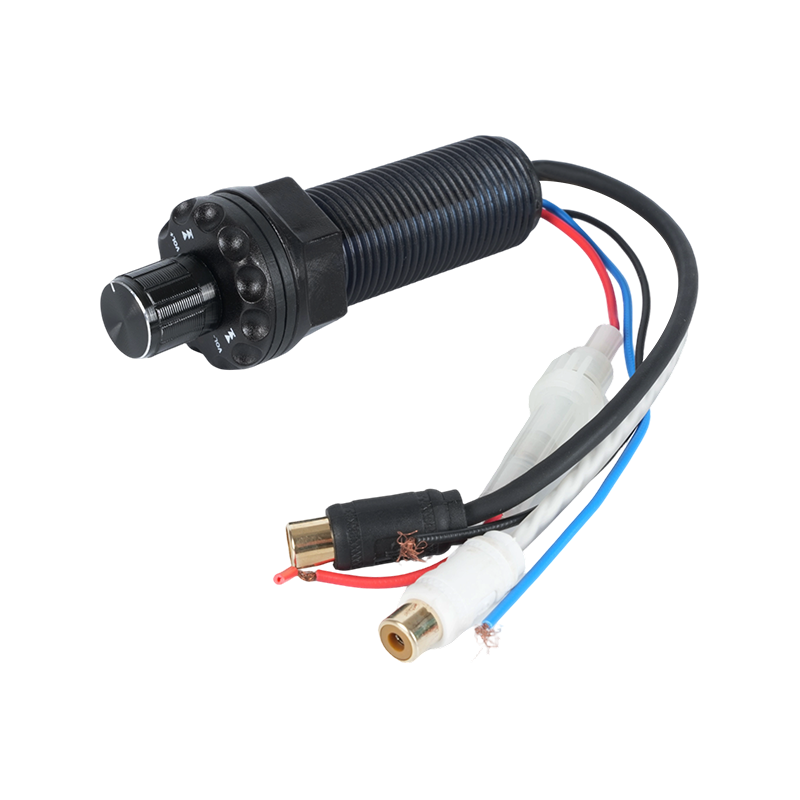
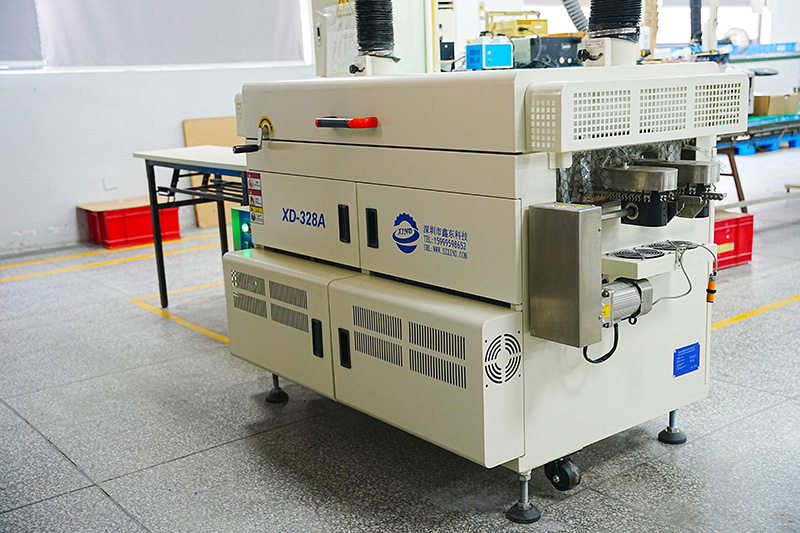
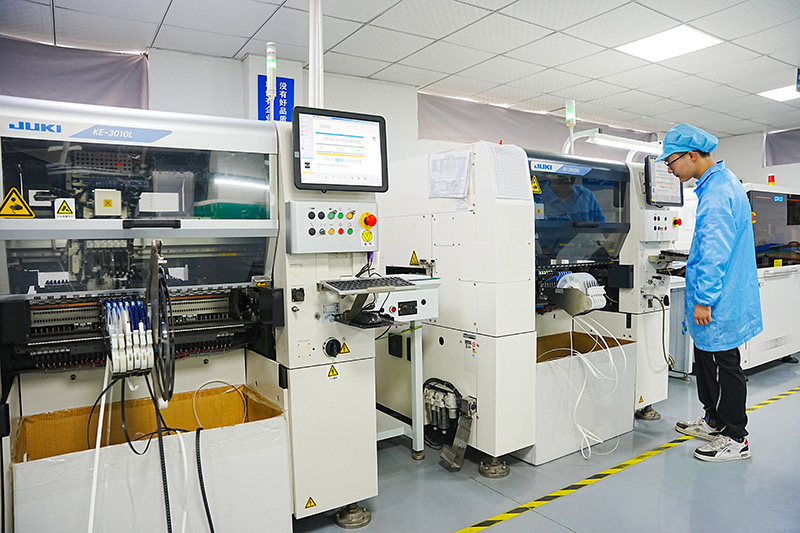
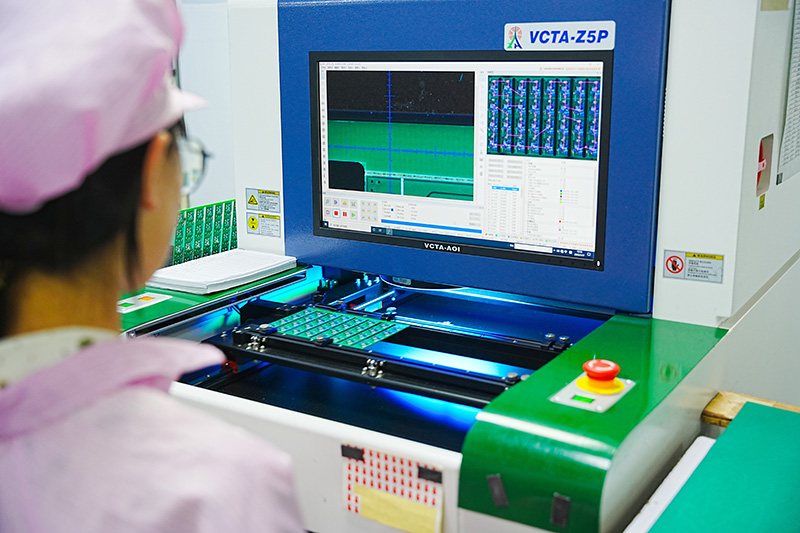
While standard Bluetooth car audio controllers generally reside in the protected environment of a dashboard, marine Bluetooth controllers face a relentless assault from salt mist, high humidity, and rapid thermal cycling. The longevity of these devices is not determined merely by the plastic casing but by the microscopic protection applied to the internal circuitry. High-quality marine units utilize a specialized conformal coating process—typically acrylic, silicone, or urethane—that creates a dielectric barrier on the Printed Circuit Board (PCB). This barrier prevents dendrite growth and electrochemical migration, which are the primary causes of short circuits in humid environments. With over two decades of experience in manufacturing marine electronics, we ensure that our SMT assembly processes are immediately followed by rigorous inspection to guarantee these protective layers are applied uniformly without voiding.
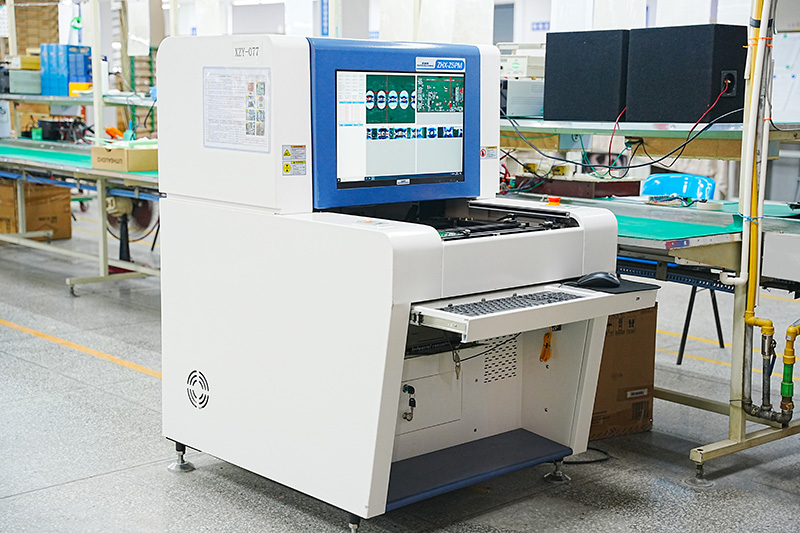
Beyond moisture, vibration resistance is a critical yet often overlooked specification in marine audio design. The pounding of a hull against waves creates high-frequency vibrations that can fracture standard solder joints. To combat this, wave soldering parameters must be precisely controlled to create a robust intermetallic bond. We take pride in our experienced team, with 70% of our workers boasting over a decade of experience, ensuring that every solder joint is inspected via AOI (Automated Optical Inspection) to withstand the physical rigors of marine applications.
Signal Voltage and Pre-Amp Performance in Audio Controllers
A common misconception in upgrading car or marine audio is that the Bluetooth controller is merely a receiver. In reality, it functions as a pre-amplifier, and its output voltage capability is the bottleneck for system-wide sound quality. Many entry-level controllers output a signal as low as 1.5V or 2V. When this weak signal is transmitted over long RCA runs—common in boats or larger vehicles—it becomes highly susceptible to electromagnetic interference (EMI) from the engine or alternator. This results in a high noise floor, often heard as a hiss or whine.
To maximize the performance of aftermarket amplifiers, a Bluetooth controller should ideally provide a clean, unclipped output of 4V to 5V. A higher output voltage allows the amplifier's gain to be set lower, significantly improving the Signal-to-Noise Ratio (SNR) and dynamic range. Utilizing top-tier Audio Precision (AP) testing equipment, we verify that our signal processors and controllers maintain linearity at these higher voltages, ensuring the audio signal remains distortion-free before it ever reaches the amplifier.
| Pre-Out Voltage |
Required Amp Gain |
Noise Susceptibility |
| 2 Volts (Standard) |
High |
High (Prone to Hiss) |
| 4 Volts (Performance) |
Medium |
Low |
| 5+ Volts (Pro) |
Low |
Very Low (Best SNR) |
Understanding Latency and Codec Support
When selecting Bluetooth audio controllers, the supported codecs determine the fidelity and latency of the wireless transmission. The standard SBC (Sub-band Coding) codec, while universal, often compresses audio aggressively, leading to a loss in high-frequency detail and noticeable latency. For high-fidelity applications, support for codecs like aptX HD or LDAC is essential, as they support higher bitrates that approach CD quality. However, in video-heavy environments—such as a car system with rear-seat entertainment or a marine setup linked to a chart plotter display—latency becomes the priority.
Low-latency codecs are required to ensure that the audio syncs perfectly with video content, preventing the lip-sync issues that plague cheaper controllers. The integration of the Bluetooth chipset requires precise impedance matching and shielding to prevent internal interference from the controller's own power supply. Our production line includes 100% aging testing to ensure that the Bluetooth modules maintain stable connections and consistent decoding performance even after prolonged use in varying thermal conditions.
Multi-Zone Audio Management Implementation
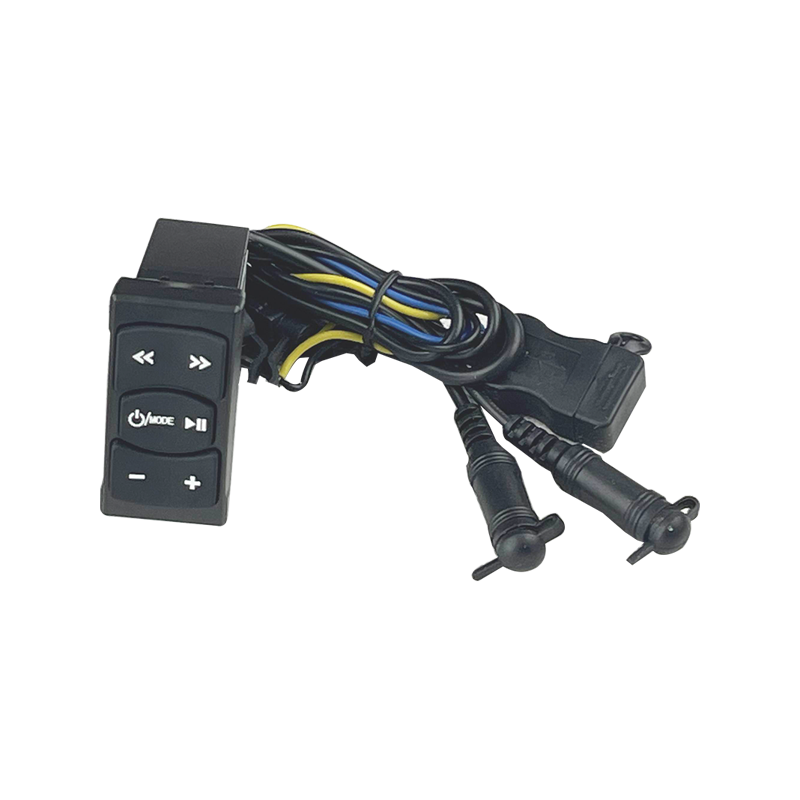
In sophisticated marine and off-road applications, a single audio zone is rarely sufficient. A boat layout typically requires distinct volume levels for the cabin, the tower speakers, and the subwoofer. Advanced Bluetooth controllers are now designed to function as multi-zone source units. This capability allows the user to adjust the wake tower speakers independently from the interior cockpit speakers directly from the controller interface, without needing to adjust the physical gain settings on the amplifiers.
Implementing multi-zone control requires the controller to have multiple discrete RCA output pairs, each with its own pre-amp circuit. This setup allows for "zone linking" (where all volumes move together) or "zone offset" (where one zone is permanently louder or quieter relative to the master volume). Constructing these complex signal paths requires advanced manufacturing capabilities to ensure channel separation is maintained. At Newsources, we leverage our deep background in signal processors to design controllers that handle these complex routing tasks without introducing crosstalk between zones.
- Tower Zone: Usually requires high-pass filtering and higher volume capability to project sound over engine noise and water.
- Cabin/Cockpit Zone: Focuses on full-range audio clarity for listeners in close proximity to the speakers.
- Subwoofer Zone: Dedicated low-frequency output that allows for bass level adjustment independent of the mid/high speakers.


 EN
EN

 English
 Español
 عربى
عربى




.jpg)
.jpg)