
 EN
EN
 English
 Español
 عربى
عربىContent
What Is a Multichannel Marine Amplifier?
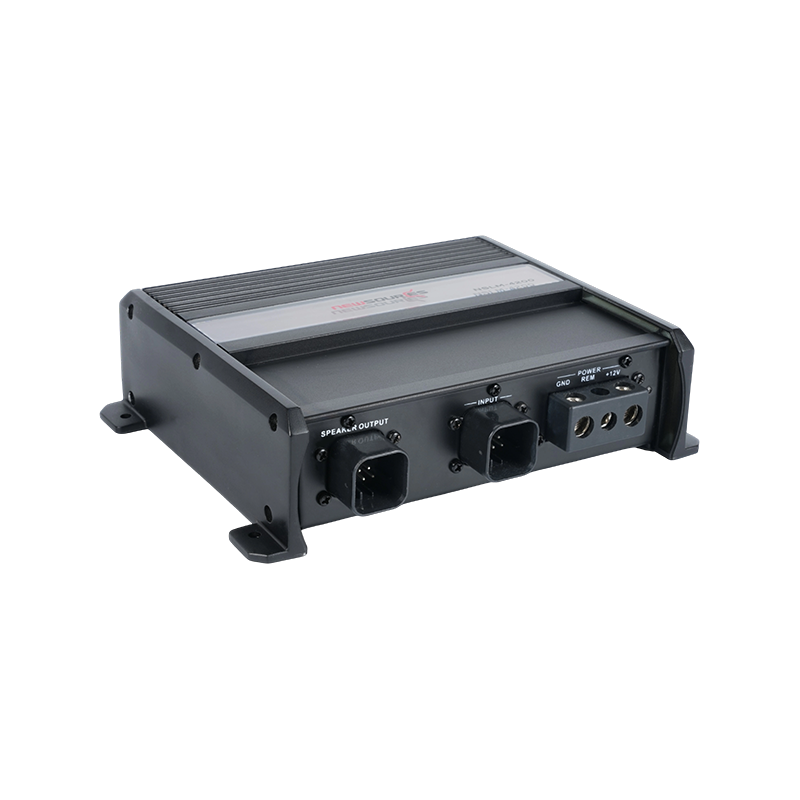
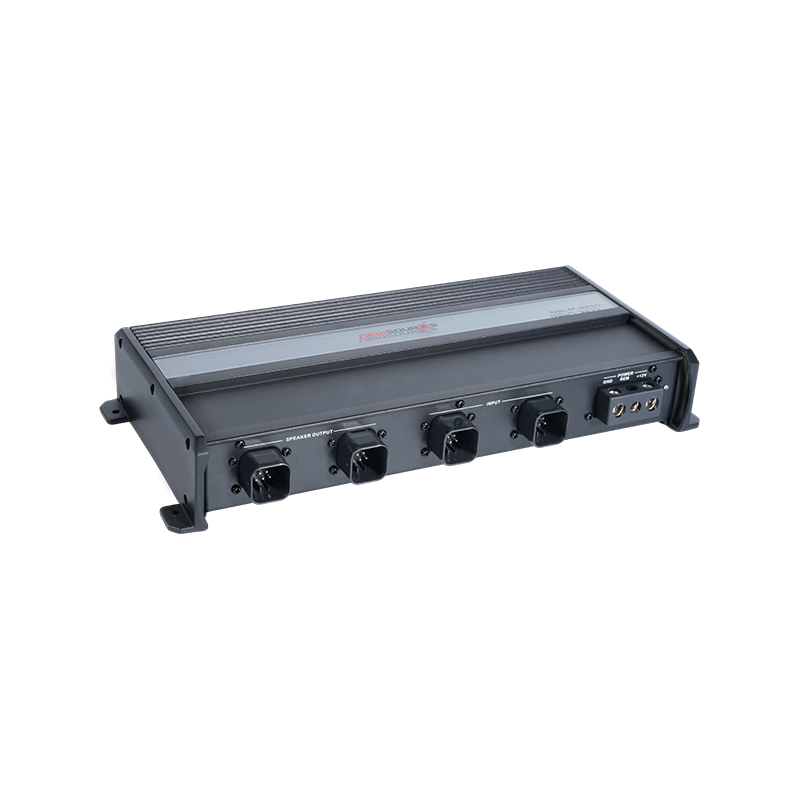
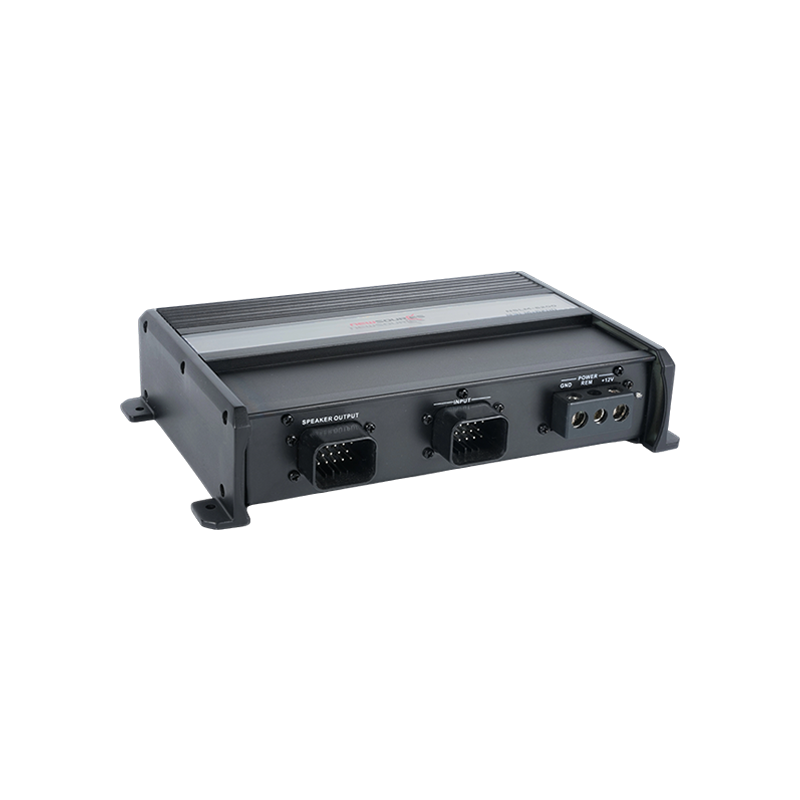
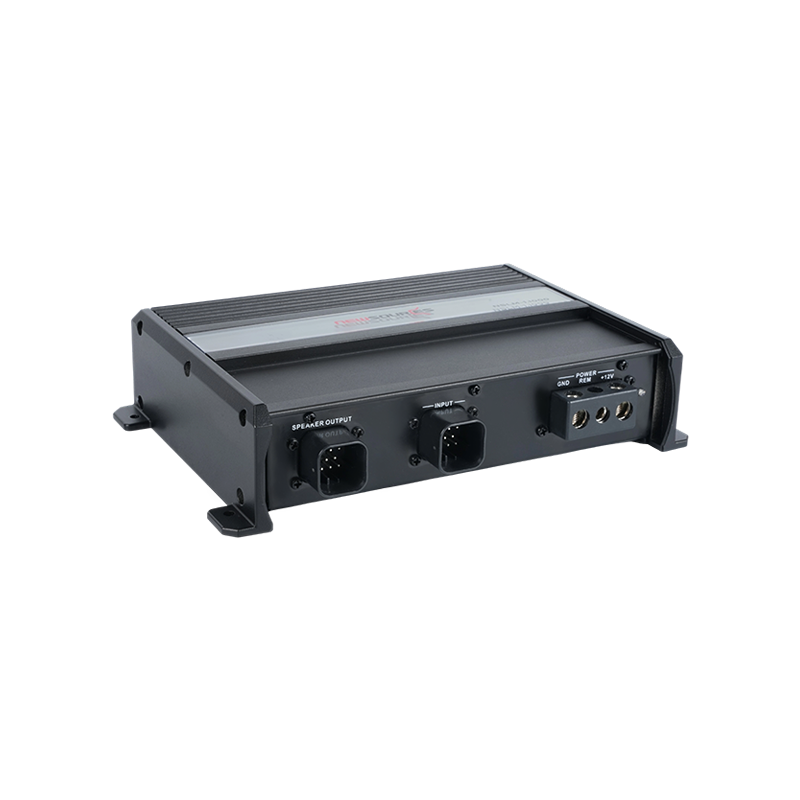
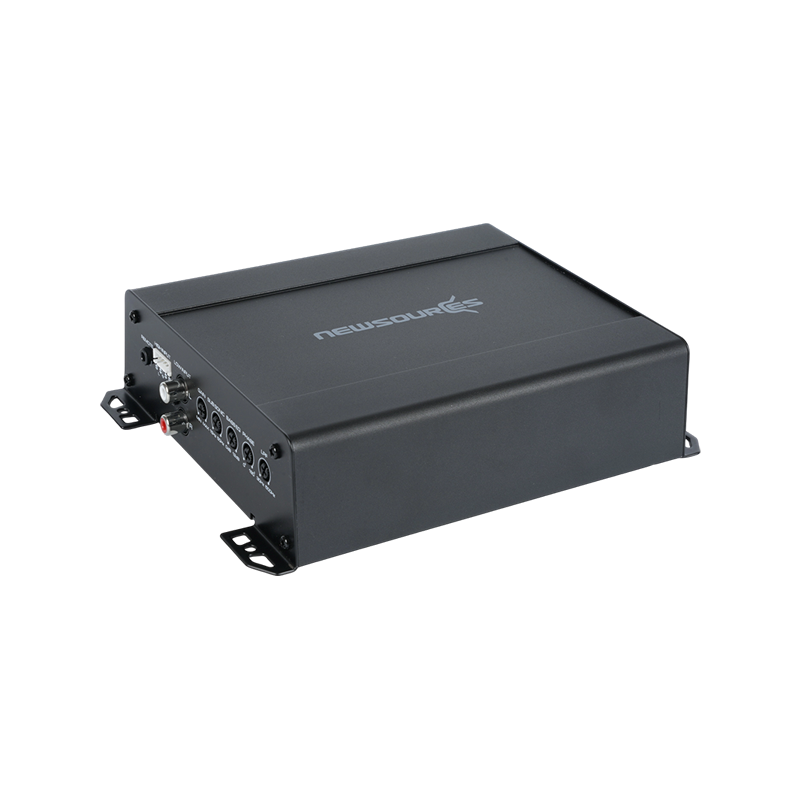
A multichannel marine amplifier is an audio amplification device built specifically to withstand the harsh conditions of boating environments while powering multiple speaker zones from a single unit. Unlike standard automotive or home amplifiers, marine-rated models are constructed with corrosion-resistant components, sealed or coated circuit boards, and weatherproof housings designed to endure exposure to saltwater spray, humidity, and constant vibration from engine and wave motion.
The "multichannel" designation refers to the amplifier's ability to power several speaker outputs independently, commonly in four, five, six, or even eight-channel configurations. This allows boat owners to run separate audio zones, such as helm speakers, cockpit speakers, and a subwoofer, all from one centralized amplifier rather than installing multiple single-purpose units throughout the vessel.
Key Features That Define Marine-Grade Amplifiers
Several construction and design features distinguish true marine amplifiers from consumer-grade units that have simply been marketed toward boating use without adequate environmental protection.
Corrosion-Resistant Construction
Quality marine amplifiers use conformal-coated circuit boards, which apply a protective layer over internal components to shield them from moisture and salt exposure. Additionally, external connectors and hardware are typically made from corrosion-resistant materials such as stainless steel or specially treated alloys to prevent rust and electrical degradation over time.
IP or Certification Ratings
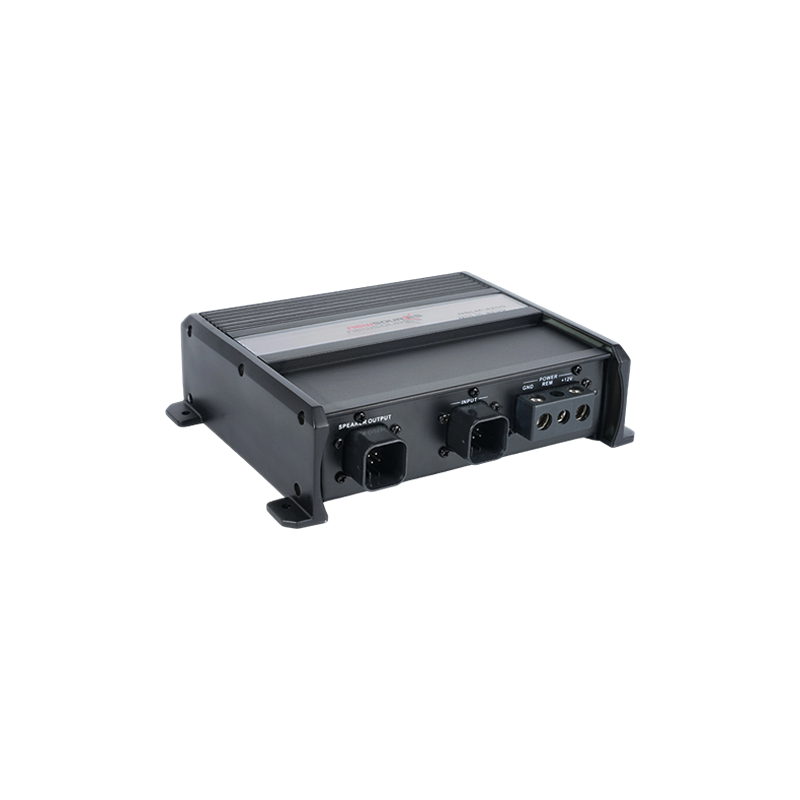
Many marine amplifiers carry an Ingress Protection rating, indicating their resistance to dust and water exposure. A higher IP rating generally signals better protection for open-deck installations, while amplifiers installed in enclosed, dry compartments may prioritize other features over maximum water resistance.
Thermal Management
Because marine amplifiers are often installed in confined compartments with limited airflow, effective heat dissipation is critical to prevent thermal shutdown during extended use. Many models incorporate finned aluminum heat sinks or internal cooling designs specifically engineered to manage heat buildup without relying on fans, which could otherwise draw in moisture.
Understanding Channel Configurations
Choosing the right channel count depends on how many speaker zones and subwoofers the boat's audio system will include. The table below outlines common configurations and their typical uses.
| Channel Count | Typical Setup |
| 4-Channel | Two speaker pairs, single zone |
| 5-Channel | Speaker pairs plus dedicated subwoofer channel |
| 6-Channel | Three speaker pairs across multiple zones |
| 8-Channel | Multiple zones with independent subwoofer output |
Boats with distinct listening areas, such as separate helm and cockpit or bow and stern zones, often benefit from higher channel counts, since this allows independent volume control across different areas of the vessel without requiring additional amplifiers.
Power Ratings and Speaker Matching
Properly matching amplifier power output to speaker specifications is essential for achieving clear, undistorted sound while protecting both components from damage. Amplifier power is typically listed in RMS watts per channel, which reflects continuous power output rather than brief peak power spikes that manufacturers sometimes advertise more prominently.
As a general guideline, selecting an amplifier with RMS output reasonably close to the speaker's rated power handling helps avoid both underpowering, which can cause distortion at higher volumes, and overpowering, which risks speaker damage if volume levels are pushed too aggressively. Consulting speaker specifications alongside amplifier output ratings before finalizing a system helps ensure compatible performance.
Common Applications on Boats
Multichannel marine amplifiers support a range of audio setups depending on boat size and intended use. Common applications include:
- Powering helm and cockpit speaker zones on center console boats
- Driving tower speakers on wakeboard and ski boats for enhanced outdoor sound projection
- Supporting full audio systems on larger cruisers with multiple deck levels
- Adding dedicated subwoofer power for enhanced bass response in open-air settings
Installation Considerations
Proper installation significantly affects both the performance and longevity of a marine amplifier. Choosing a mounting location that minimizes direct water exposure, even for amplifiers with high IP ratings, helps extend the unit's operational lifespan. Additionally, ensuring adequate ventilation around the amplifier prevents heat buildup, particularly in compact engine compartments or enclosed storage areas.
Wiring should also be marine-grade, using tinned copper cables that resist corrosion better than standard automotive wiring. Properly sealed connections and the use of dielectric grease on electrical contacts further help prevent corrosion-related failures over time, particularly in saltwater environments.
What to Check Before Purchasing
Before selecting a multichannel marine amplifier, buyers should confirm the unit's IP rating aligns with its intended installation location, since open-deck installations require significantly more protection than enclosed, dry compartments. It is also worth verifying that the amplifier's channel configuration matches the planned speaker layout, and checking manufacturer warranty terms specifically related to marine or saltwater use, as coverage terms can vary considerably between standard and marine-rated product lines.