
 EN
EN
 English
 Español
 عربى
عربىContent
What Is a Class A/B Car Amplifier
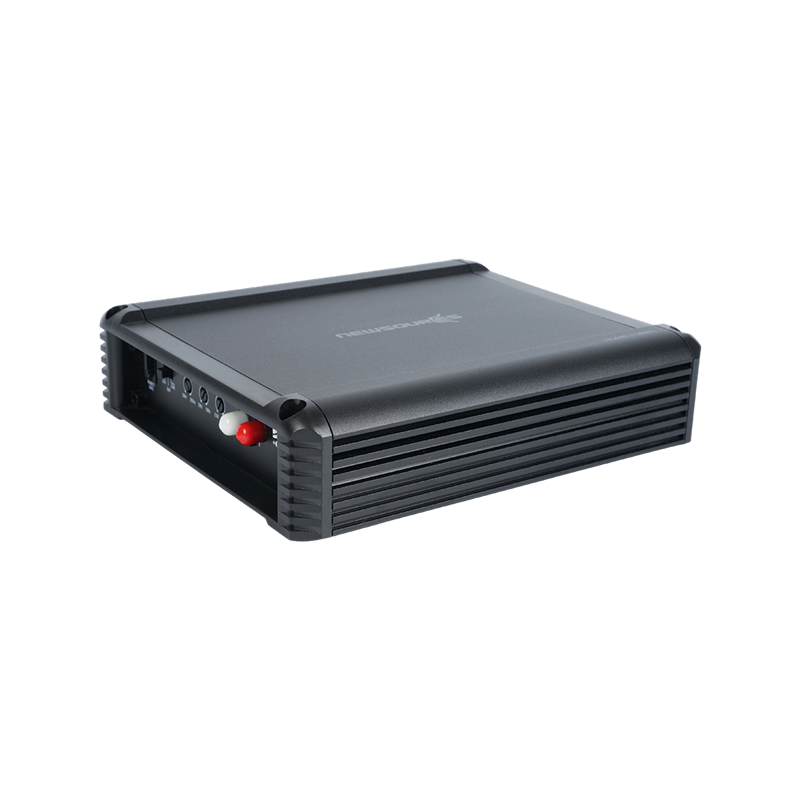
A Class A/B car amplifier is a type of audio amplifier that combines elements of Class A and Class B amplification to deliver a balance between sound quality and power efficiency. In this design, the output transistors conduct current for more than half of the audio signal cycle but not the entire cycle, which reduces the crossover distortion commonly found in pure Class B amplifiers while avoiding the excessive heat and inefficiency associated with pure Class A designs. This hybrid approach has made Class A/B amplifiers one of the most widely used topologies in car audio systems for decades.
Car audio enthusiasts often choose Class A/B amplifiers when sound accuracy and low distortion are priorities, particularly for driving component speakers, mid-range drivers, and tweeters where fine detail reproduction matters more than raw power output.
How Class A/B Amplification Works
In a Class A/B amplifier, two output transistors share the workload of amplifying the audio signal. One transistor handles the positive half of the waveform while the other manages the negative half, with a small overlap in conduction near the zero-crossing point. This overlap is the key design element that reduces crossover distortion, a common issue in Class B amplifiers where both transistors briefly switch off simultaneously, causing an audible glitch in the signal.
The trade-off for this improved sound quality is reduced efficiency compared to Class D amplifiers. Class A/B designs typically operate at 50 to 70 percent efficiency, meaning a significant portion of input power is converted to heat rather than usable audio output. This is why Class A/B amplifiers often require larger heat sinks and generate more warmth during operation than their Class D counterparts.
Class A/B vs Other Amplifier Classes
Understanding how Class A/B compares to other common amplifier classes helps car audio buyers make informed decisions based on their specific listening priorities and installation constraints.
| Amplifier Class | Efficiency | Sound Quality | Common Use |
| Class A | 20 - 30 percent | Excellent | High-end audiophile setups |
| Class A/B | 50 - 70 percent | Very Good | Component speakers, mids, and tweeters |
| Class D | 85 - 95 percent | Good | Subwoofers and high-power applications |
Advantages of Choosing a Class A/B Amplifier
Class A/B amplifiers remain popular in car audio systems for several practical reasons that go beyond simple power ratings.
- Lower distortion levels produce cleaner, more natural sound reproduction across the frequency range.
- Better performance for mid-range and high-frequency speakers where detail and clarity are critical.
- More mature and proven circuit design, resulting in fewer electrical noise issues compared to switching amplifiers.
- Wider compatibility with a variety of speaker impedances without significant performance drop-off.
- Generally more forgiving in terms of installation quality compared to highly sensitive Class D circuits.
Key Factors to Consider Before Buying
Selecting the right Class A/B car amplifier requires evaluating several technical and practical factors to ensure compatibility with your vehicle's electrical system and audio goals.
Power Output and RMS Rating
Always compare amplifiers based on RMS power ratings rather than peak power, since RMS reflects continuous, real-world output. Match the amplifier's RMS rating closely to your speakers' power handling capacity to avoid distortion or speaker damage.
Heat Dissipation and Mounting Space
Because Class A/B amplifiers generate more heat than Class D models, ensure adequate ventilation around the mounting location. Avoid installing these amplifiers in enclosed spaces without airflow, such as sealed carpeted panels, to prevent thermal shutdown during extended use.
Number of Channels
Class A/B amplifiers are available in 2-channel, 4-channel, and multi-channel configurations. A 4-channel amplifier is commonly used to power front and rear component speakers, while a 2-channel model is often dedicated to a specific pair of high-fidelity speakers.
Installation and Maintenance Tips
Proper installation significantly affects the performance and longevity of a Class A/B car amplifier. Use properly gauged power and ground wiring based on the amplifier's current draw to prevent voltage drop and overheating. Ground connections should be made to bare metal on the vehicle chassis, with all paint or corrosion removed from the contact point to ensure a solid electrical connection.
Regularly check that the amplifier's gain settings are properly calibrated to match the head unit's output voltage, as incorrect gain settings are a leading cause of distortion and speaker damage. Additionally, periodically inspect the amplifier's heat sink for dust buildup, since accumulated debris can trap heat and reduce cooling efficiency over time. Keeping the amplifier's mounting area clean and well-ventilated will help maintain consistent performance and extend the unit's operational lifespan.