
 EN
EN
 English
 Español
 عربى
عربىContent
What Makes an Amplifier "Marine Grade"
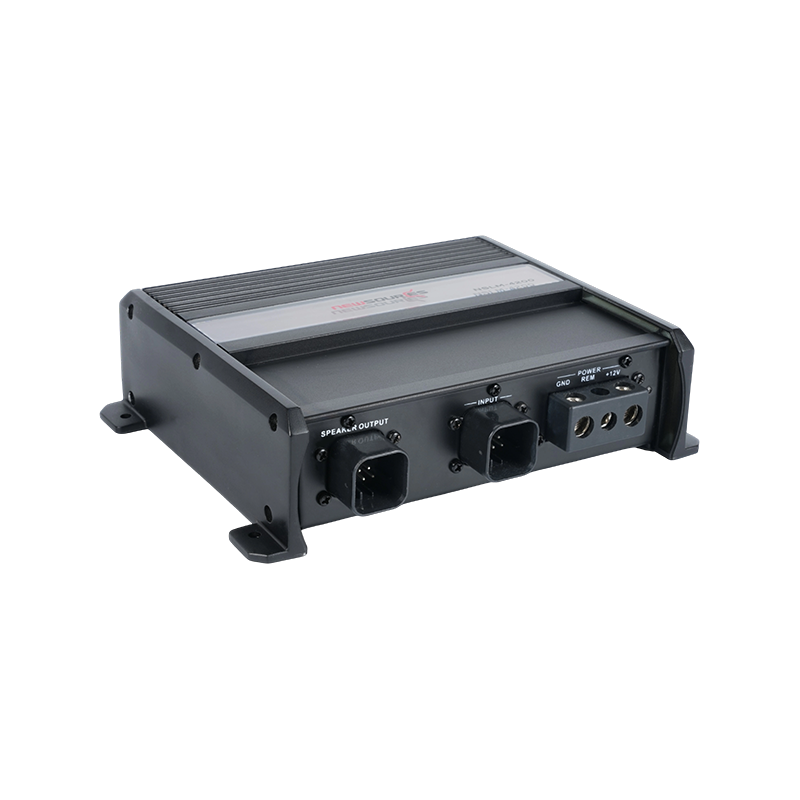
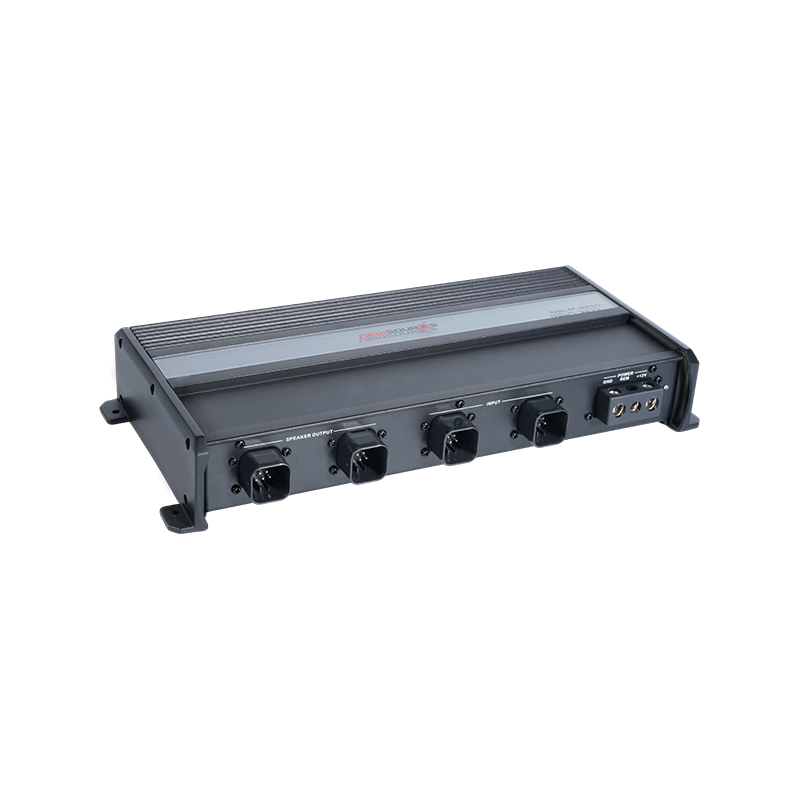
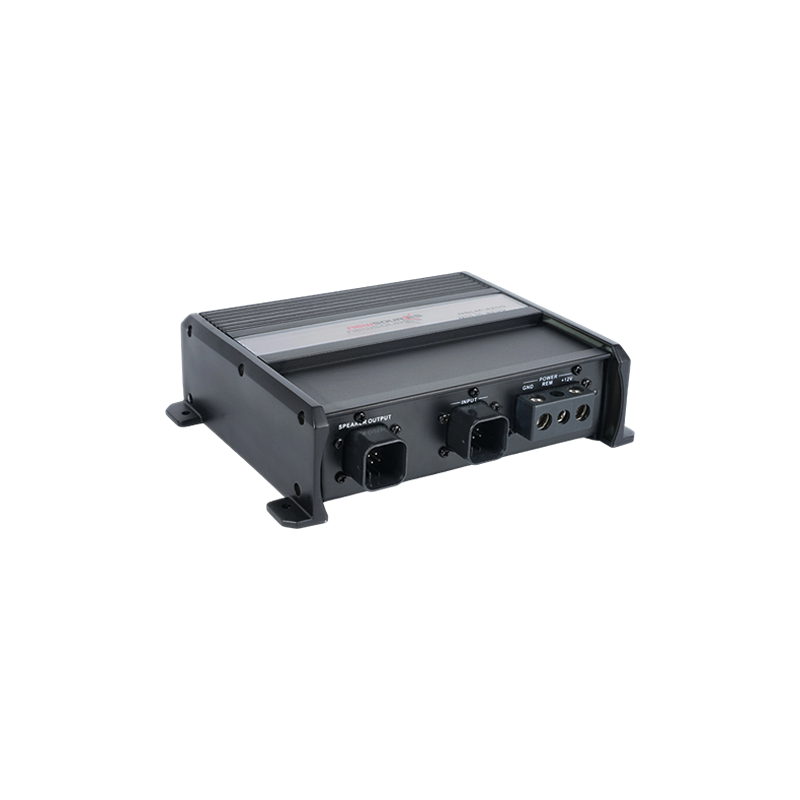
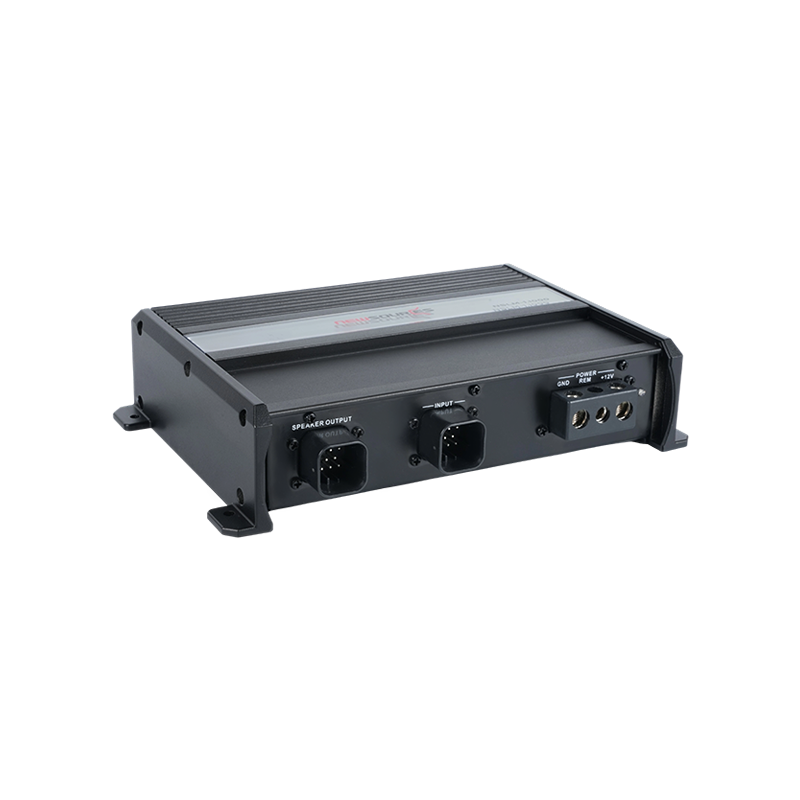
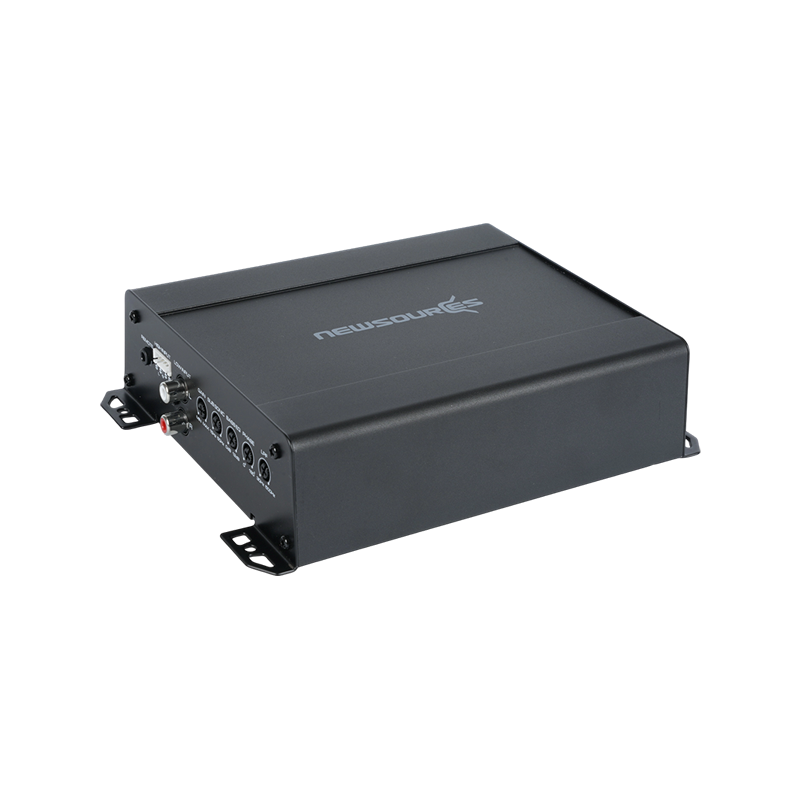
A marine amplifier looks similar to a car audio amplifier at first glance, but the internal construction and housing are built to survive an environment that would quickly destroy standard consumer electronics. Boats expose equipment to salt spray, humidity, direct sun, vibration from the hull and engine, and temperature swings that range from freezing mornings to scorching afternoons on an open deck. A true marine grade amplifier addresses each of these stresses through component selection and physical design, rather than simply being a standard amplifier housed in a slightly sealed box. Understanding what separates marine grade equipment from repurposed automotive amplifiers helps buyers avoid premature failures and warranty disputes down the line.
Key Features to Look For
When comparing amplifiers marketed for marine use, a handful of specifications and construction details indicate whether the unit was genuinely engineered for the marine environment or simply given a water-resistant label.
Corrosion Resistant Components and Conformal Coating
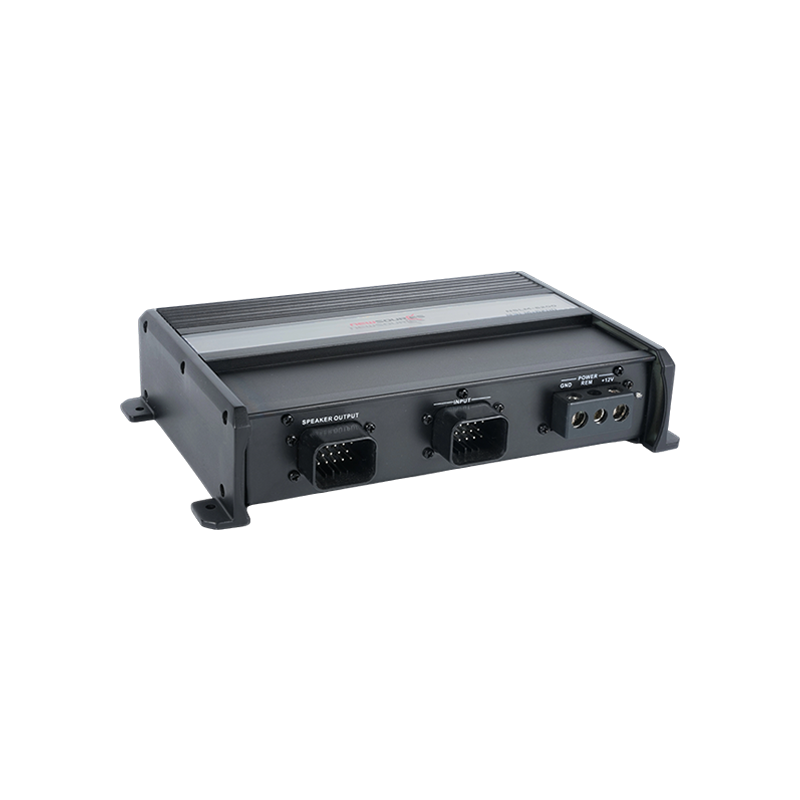
Salt air is highly conductive and corrosive, and it can gradually degrade exposed circuit boards, connectors, and metal contacts even inside a sealed enclosure if humidity finds its way in. Quality marine amplifiers apply a conformal coating directly to the circuit board, a thin protective layer that shields solder joints and components from moisture without affecting electrical performance. Stainless steel or nickel-plated hardware is also preferred over standard steel fasteners and terminals, since plain steel will visibly rust within a single boating season in coastal conditions.
Waterproof and UV-Resistant Housing
Housing ratings matter more for marine amplifiers than almost any other specification. An IPX6 or IPX7 rating indicates the enclosure can withstand direct water spray or brief submersion, which is relevant for amplifiers mounted in bilges, under helm seats, or in other areas exposed to splashing and rain. The housing material itself should also resist UV degradation if it will be mounted somewhere with sun exposure, since standard plastics can become brittle and discolored after prolonged exposure, eventually compromising the seal around gaskets and connectors.
Power Output and Class D Efficiency
Most modern marine amplifiers use Class D circuitry because it runs cooler and draws less current than older Class AB designs, which matters on a boat where electrical capacity is often limited by battery bank size and charging system output. When comparing power ratings, buyers should pay attention to RMS power at a stated impedance and distortion level rather than peak power figures, since RMS ratings give a more realistic picture of how the amplifier will perform continuously while underway.
Choosing the Right Class and Channel Configuration
Marine amplifiers are typically categorized by channel count, and matching the configuration to the intended speaker and subwoofer setup avoids either underpowering the system or paying for capacity that goes unused.
| Configuration | Common Use Case |
| 2-Channel | Powering a single pair of speakers or a subwoofer bridged to mono |
| 4-Channel | Two pairs of speakers, such as helm and cockpit zones |
| 5-Channel or 6-Channel | Multiple speaker zones plus a dedicated subwoofer channel |
| Mono Block | Dedicated high-power subwoofer amplification |
Installation Best Practices
Even a well-built marine amplifier can fail early if installed incorrectly. Following a few core installation practices significantly extends the life of the equipment:
- Mount the amplifier above the bilge waterline and away from areas where standing water could collect, even if the housing carries a high IP rating.
- Leave adequate airflow around the housing, since heat buildup in an enclosed compartment can shorten component life even on amplifiers rated for marine heat tolerance.
- Use marine-grade tinned copper wiring and connectors throughout the power and speaker circuits, not just at the amplifier terminals, to prevent corrosion further down the wiring run.
- Apply dielectric grease to exposed connections and terminals to add an extra layer of moisture protection.
- Fuse the power wire close to the battery, sized appropriately for the amplifier's current draw, to protect both the equipment and the vessel's electrical system.
Maintenance Tips for Long-Term Reliability
Regular maintenance keeps a marine amplifier performing reliably across multiple boating seasons. Owners should periodically inspect the mounting area for signs of moisture intrusion, corrosion on nearby metal components, or loose wiring connections that vibration can gradually work free. Rinsing salt residue from the surrounding compartment during routine boat cleaning, without directly spraying the amplifier itself, helps limit the amount of corrosive salt buildup near the unit. If the amplifier is removable, storing it in a dry location during extended lay-up periods, such as winter storage, further reduces exposure to humidity when the boat is not in regular use. Checking that ventilation paths remain clear of debris and that any cooling fans, if equipped, are free of dust and salt crystals also helps the amplifier maintain its rated performance and avoid thermal shutdown during extended use.