
 EN
EN
 English
 Español
 عربى
عربىContent
What Is a Mini Car Amplifier and Why Drivers Choose One
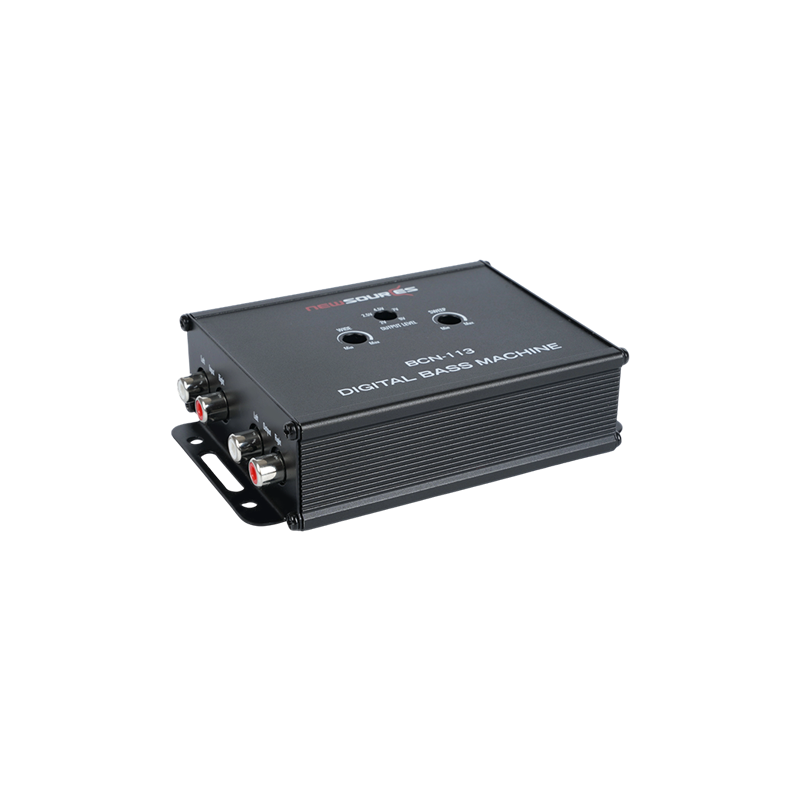
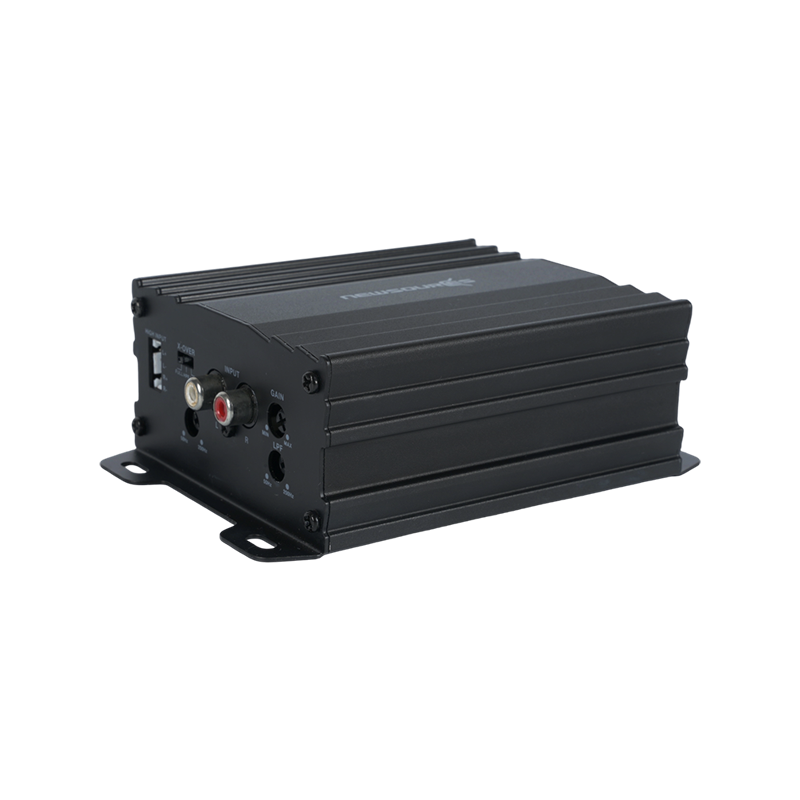
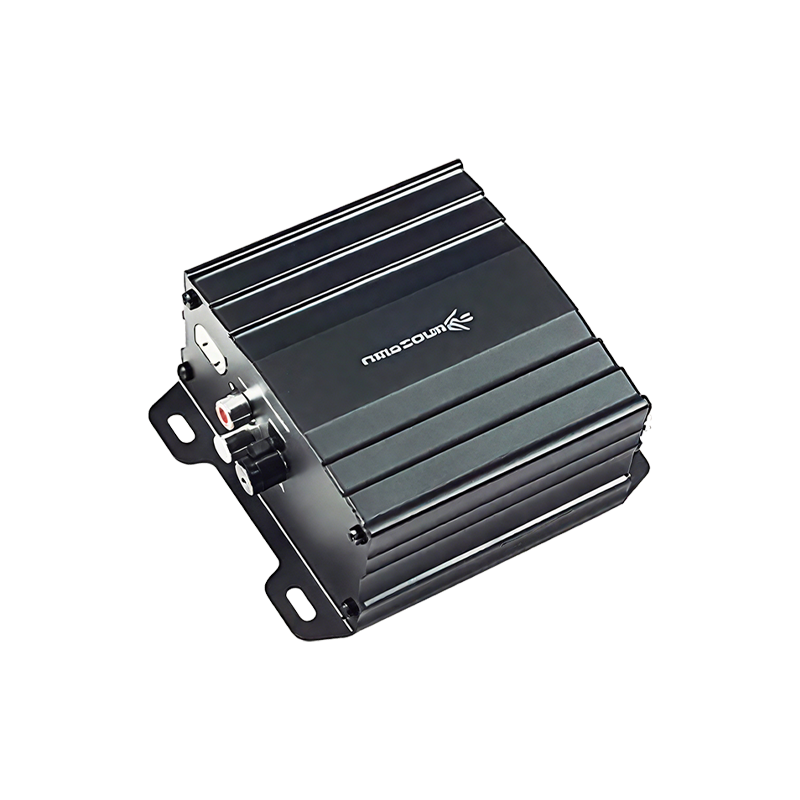
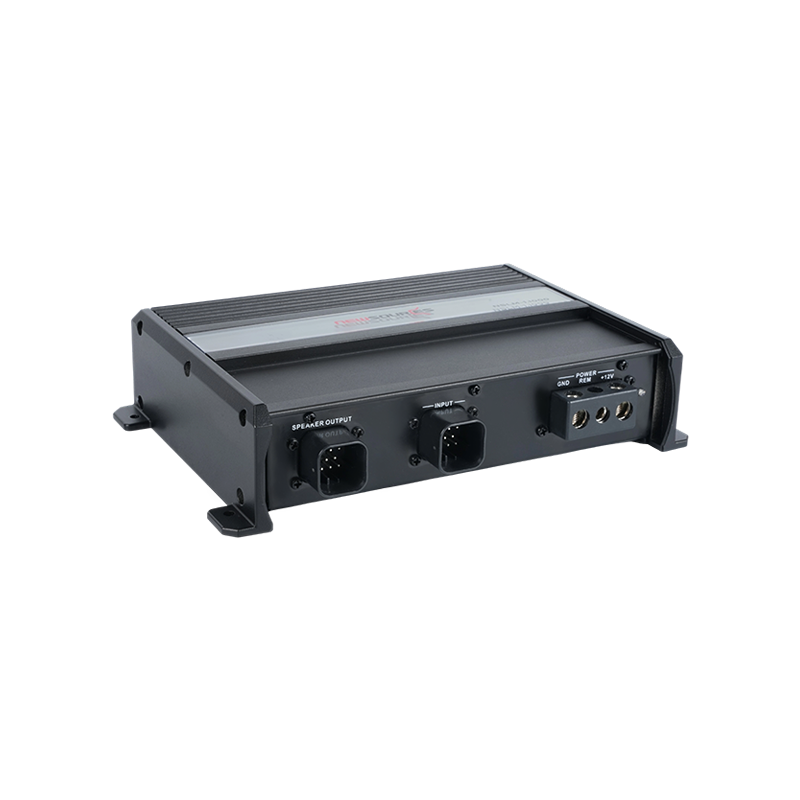
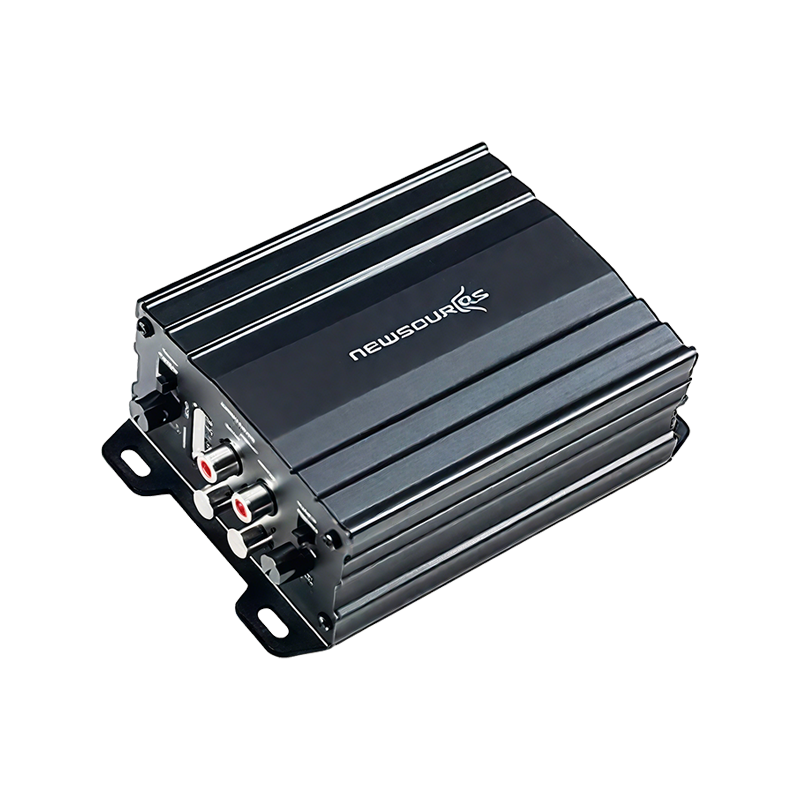
A mini car amplifier is a compact power amplifier designed to fit into vehicles with limited space, such as small hatchbacks, coupes, or cars with tight under-seat and trunk areas. Unlike full-size amplifiers that can be bulky and heavy, mini amplifiers deliver similar sound-boosting performance while taking up a fraction of the space. They are especially popular among drivers who want to upgrade their factory audio system without sacrificing cargo room, storage compartments, or the overall interior layout of the vehicle.
These compact units are commonly used to power subwoofers, component speakers, or entire multi-channel systems. Because of advances in circuit design and heat management, many mini amplifiers now rival the output of larger models, making them a practical choice for anyone seeking better audio quality without a major installation overhaul.
Key Specifications to Check Before Buying
Before purchasing a mini car amplifier, it helps to understand the specifications that actually affect real-world performance. Manufacturers often list numbers that sound impressive but do not always reflect how the amplifier will perform once installed in a vehicle.
- RMS power rating: This is the continuous power output and a more reliable indicator than peak power, which only reflects short bursts.
- Channel count: Two-channel amps suit basic speaker upgrades, while four-channel or mono amplifiers are better for subwoofers or full-system builds.
- Impedance compatibility: Confirm the amplifier supports the ohm rating of your speakers or subwoofer to avoid overheating or damage.
- Signal-to-noise ratio: A higher ratio means cleaner sound with less background hiss, particularly important in quiet cabin environments.
- Physical dimensions: Even among mini amplifiers, sizes vary, so measure your intended mounting space beforehand.
Comparing Amplifier Classes for Compact Builds
Amplifier class affects efficiency, heat output, and sound characteristics. Understanding the differences helps narrow down which mini amplifier fits your needs.
| Class | Efficiency | Best Use |
| Class A/B | Moderate | High-fidelity midrange and tweeters |
| Class D | High | Subwoofers and compact installs |
| Class T | High | Balanced power and clarity |
Why Class D Dominates Mini Amplifiers
Most mini car amplifiers use Class D technology because it generates less heat and requires smaller heat sinks, allowing manufacturers to shrink the overall chassis size. This efficiency also reduces the strain on a vehicle's electrical system, which is particularly valuable in smaller cars with limited battery and alternator capacity.
Installation Tips for Small Spaces
Installing a mini amplifier in a compact vehicle requires careful planning to balance performance, safety, and accessibility. The following tips can help ensure a smooth installation process.
- Choose a mounting location with adequate airflow, such as under a seat or inside a side panel, rather than sealed compartments.
- Use properly gauged power and ground wires to prevent voltage drop, even though the amplifier itself is small.
- Keep amplifier wiring away from factory audio and electrical harnesses to minimize interference.
- Secure the amplifier firmly to prevent vibration damage, especially in vehicles with stiffer suspensions.
- Add an inline fuse near the battery to protect the electrical system from shorts.
Common Mistakes to Avoid
Even experienced car audio enthusiasts can run into issues when working with mini amplifiers due to their compact form factor. One frequent mistake is underestimating power requirements, which leads to distorted sound or amplifier strain. Another common issue is poor grounding, which can cause whining noises through the speakers, especially when the engine is running.
Overheating is also a concern if the amplifier is installed in an enclosed space without ventilation. Because mini amplifiers already run warm due to their compact size, blocking airflow can shorten their lifespan significantly. Lastly, mismatched impedance between the amplifier and speakers can cause immediate damage, so always double-check compatibility before finalizing the wiring.
Maintenance and Longevity Tips
Proper maintenance extends the life of a mini car amplifier and preserves sound quality over time. Regularly inspecting wiring connections for corrosion or looseness helps prevent performance issues, especially in humid or coastal climates. Cleaning dust from ventilation areas, if accessible, also supports better heat dissipation.
It is also wise to periodically check the amplifier's mounting security, as vibrations from daily driving can loosen screws over time. Monitoring the system for unusual noises, reduced output, or intermittent cutting out can help identify problems early, before they escalate into costly repairs or replacement.
Final Thoughts on Choosing the Right Fit
A mini car amplifier offers an excellent balance between space efficiency and audio performance, making it a practical upgrade for compact vehicles. By focusing on accurate power ratings, proper class selection, and careful installation, drivers can achieve noticeably better sound quality without compromising interior space or vehicle functionality.