
 EN
EN
 English
 Español
 عربى
عربىContent
What Is a Multichannel Marine Amplifier and Why It Matters
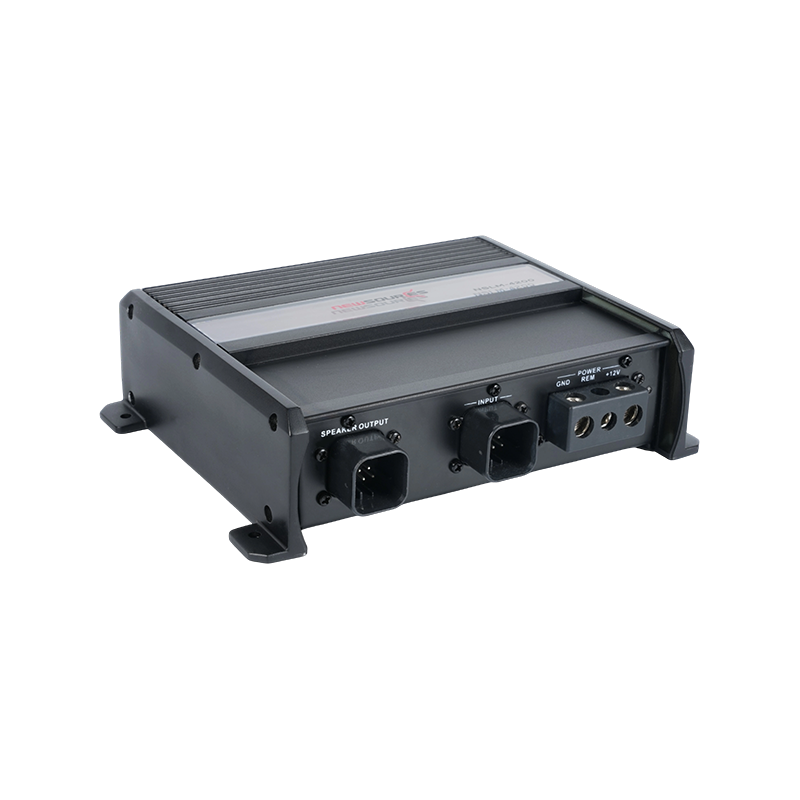
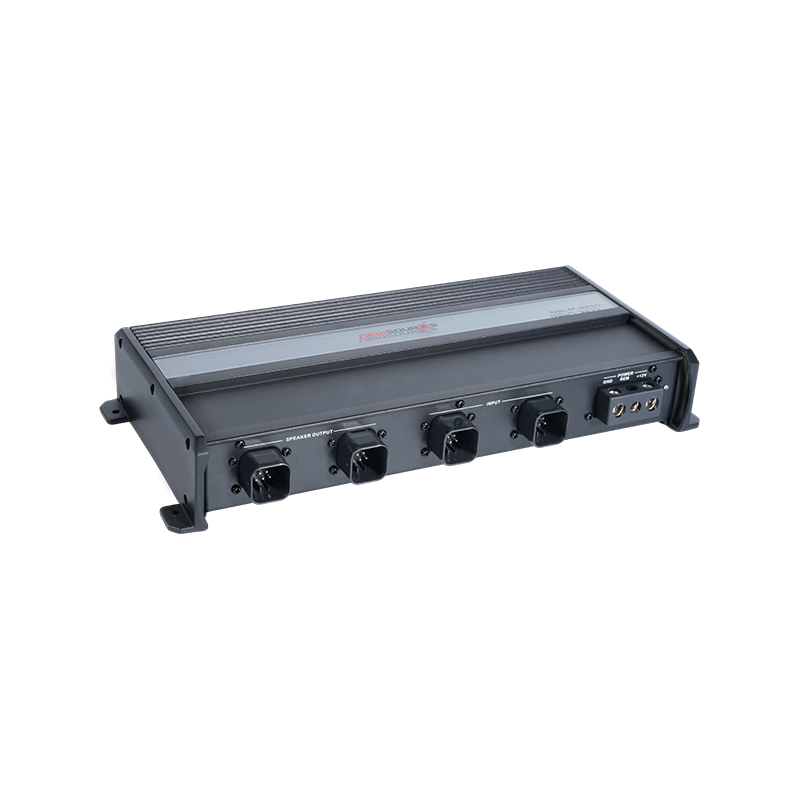
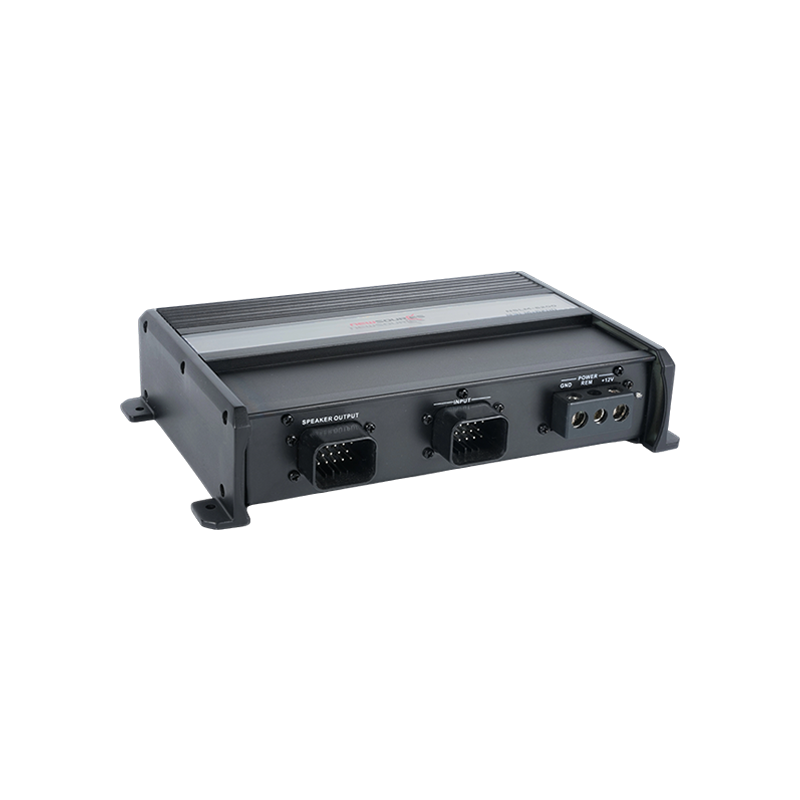
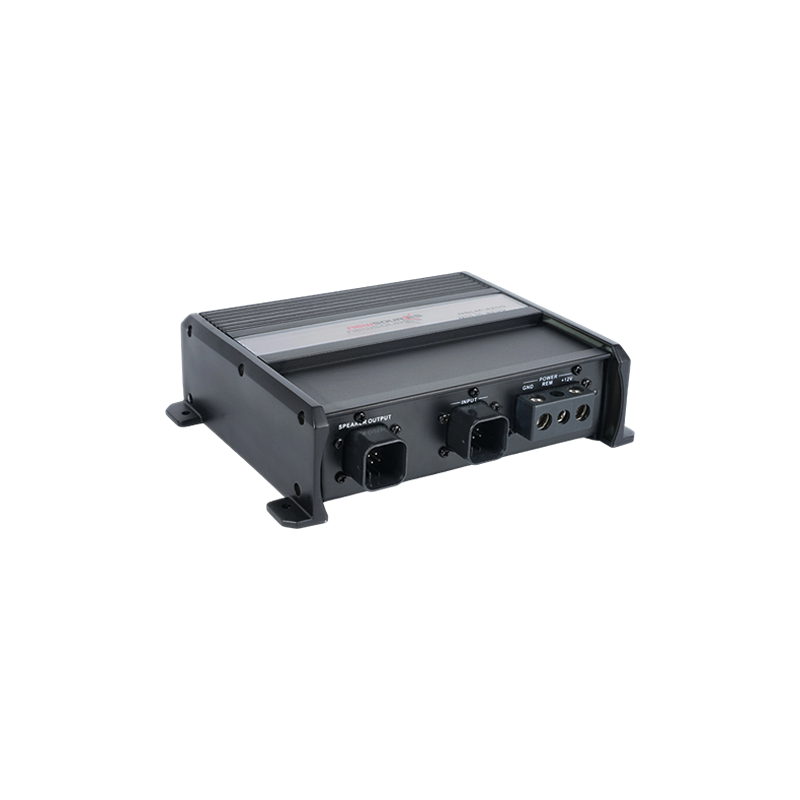
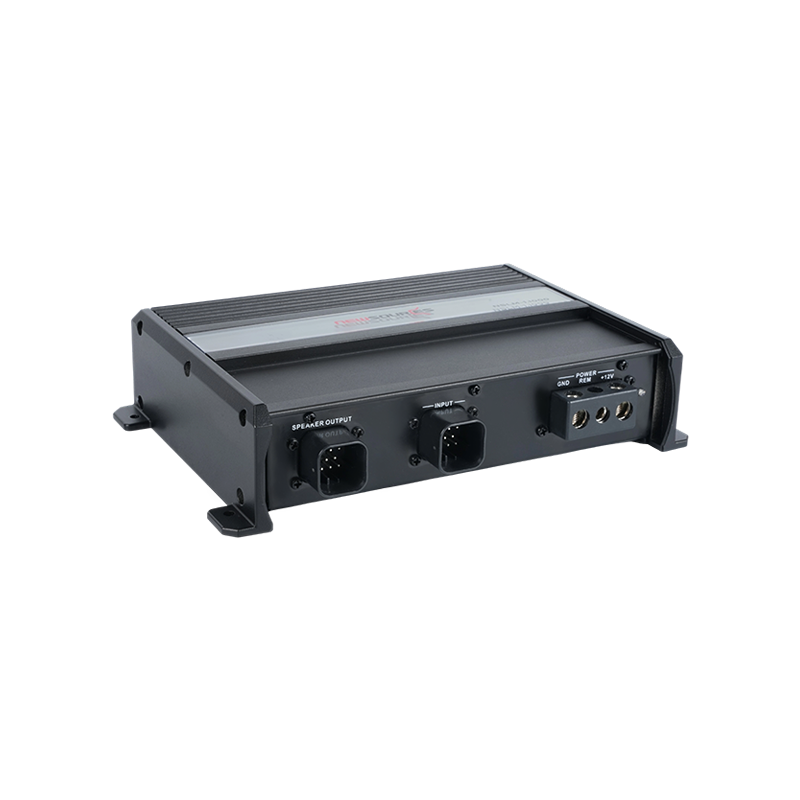
A multichannel marine amplifier is an audio amplification unit specifically built to withstand the harsh conditions found on boats, including saltwater spray, humidity, vibration, and UV exposure, while powering multiple speaker zones from a single unit. Unlike standard home or car amplifiers, marine-rated models use conformal-coated circuit boards, corrosion-resistant connectors, and sealed or water-resistant housings to survive the marine environment over years of use.
The "multichannel" designation refers to the number of independent amplification channels built into the unit, typically ranging from 4 to 8 channels, which allows a boat owner to power several speaker pairs, a subwoofer, and sometimes a separate zone for a tower or cockpit area, all from one centrally mounted amplifier rather than stacking multiple single-purpose units.
Key Benefits of Choosing a Multichannel Setup
Consolidating amplification into one multichannel unit offers practical advantages for boat owners working with limited installation space and complex wiring runs. Rather than running separate power and ground cables to multiple amplifiers, a single multichannel unit simplifies the electrical system, reduces the number of connections exposed to moisture, and often lowers total current draw compared to running several smaller amps independently.

- Fewer components to mount, wire, and waterproof
- Simplified wiring with a single power and ground connection
- Independent gain and crossover control per channel or zone
- Ability to power speakers and a subwoofer from one unit
- Reduced overall weight compared to multiple separate amplifiers
This consolidation also makes future upgrades easier, since adding a new speaker zone often means connecting to an unused channel rather than installing an entirely new amplifier and finding space for it in an already tight helm or console area.
Channel Configurations and How to Match Them to Your Boat
4-Channel Amplifiers
A 4-channel amplifier is well suited to smaller boats or simple audio setups, typically powering two pairs of coaxial or component speakers such as a helm pair and a bow or cockpit pair. Many boat owners also bridge two channels to drive a single subwoofer while using the remaining two channels for a stereo pair.
6 and 8-Channel Amplifiers
Larger vessels or boats with tower speakers, multiple deck zones, and a dedicated subwoofer generally require 6 or 8-channel amplifiers. These units allow separate volume and equalization control for each zone, so the tower speakers can play louder over engine and wind noise while cockpit speakers stay at a comfortable listening level.
| Channel Count | Typical Boat Size | Common Use Case |
| 4-Channel | Under 24 ft | Two speaker pairs or speakers plus sub |
| 6-Channel | 24 to 32 ft | Three zones including tower or bow speakers |
| 8-Channel | 32 ft and above | Full-boat audio with tower, deck, and subwoofer zones |
Power Ratings and Impedance Considerations
When selecting a multichannel marine amplifier, RMS power rating per channel matters far more than peak power figures listed on packaging, since RMS reflects sustained output the amplifier can deliver without distortion or overheating. Boat owners should match the amplifier's RMS output per channel to the RMS power handling of the speakers being used, generally aiming for the amplifier to supply slightly more power than the speaker's rated RMS to avoid clipping distortion at higher volumes.
Impedance compatibility is equally important. Most marine speakers are rated at 4 ohms, and amplifiers are typically specified for their output at 4-ohm and 2-ohm loads. Wiring speakers in a configuration that drops below the amplifier's minimum supported impedance can cause overheating and premature failure, so it's important to confirm the wiring configuration matches the amplifier's rated impedance range for each channel.
Installation Tips for Marine Environments
Proper mounting location is one of the most overlooked factors in marine amplifier longevity. Amplifiers should be installed in a dry, ventilated compartment away from bilge water, direct sun exposure, and areas prone to condensation, even when the unit itself is rated as water-resistant. Adequate airflow around the amplifier housing helps prevent thermal shutdown during extended use at higher volumes.
- Use tinned copper wiring rated for marine applications to resist corrosion
- Install an appropriately sized fuse near the battery connection
- Mount the amplifier above the highest expected bilge water level
- Seal all wiring penetrations with marine-grade grommets or sealant
- Leave clearance around the amplifier for heat dissipation
Grounding is another critical detail, as a poor ground connection is one of the most common causes of alternator whine and inconsistent performance in marine audio systems. Grounding directly to the engine block or a dedicated grounding bus bar, rather than a painted or corroded surface, helps ensure clean, reliable amplifier operation season after season.