
 EN
EN
 English
 Español
 عربى
عربىContent
- 1 Why DSP Technology Matters in Marine Audio
- 2 Marine-Grade Design and Environmental Protection
- 3 Power Output and Channel Configuration
- 4 DSP Marine Amplifier vs Standard Marine Amplifier
- 5 Installation Considerations for DSP Marine Amplifiers
- 6 DSP Tuning and Software Control
- 7 Multi-Zone Audio Management on Boats
- 8 Energy Efficiency and Power Management
- 9 Applications of DSP Marine Amplifiers
- 10 Conclusion
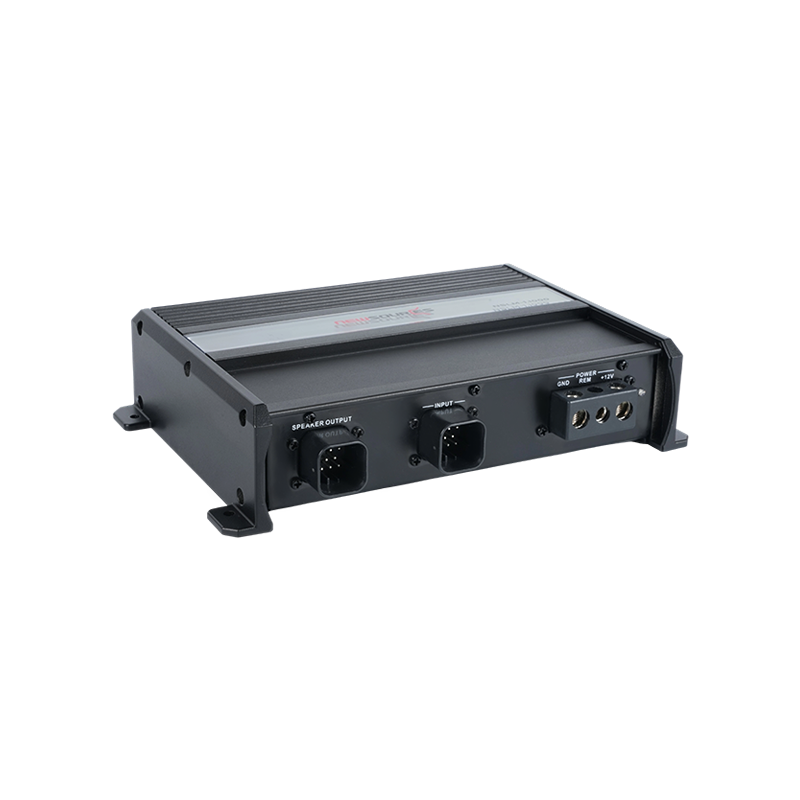
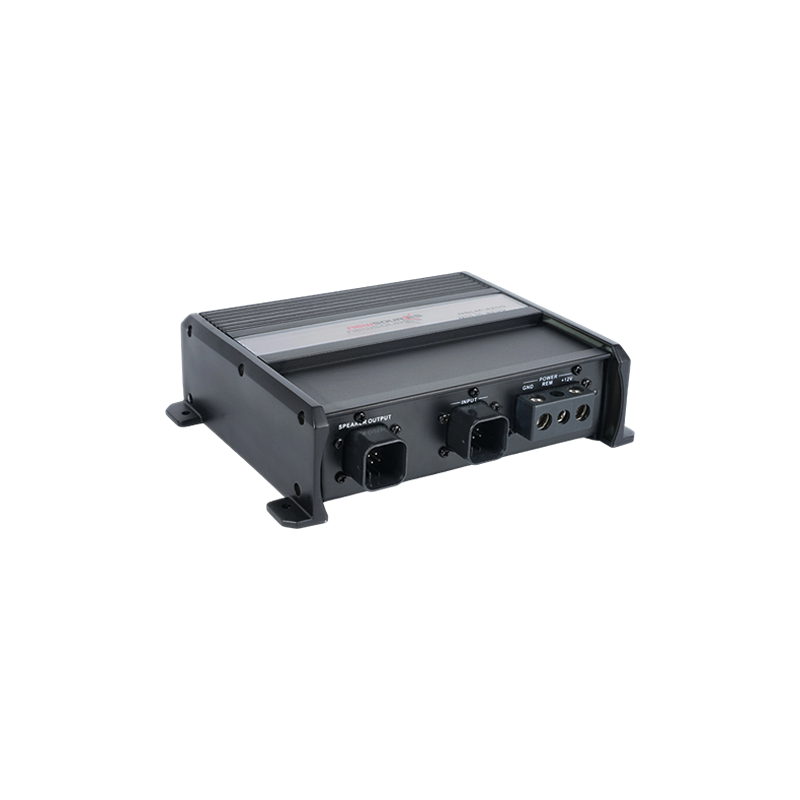
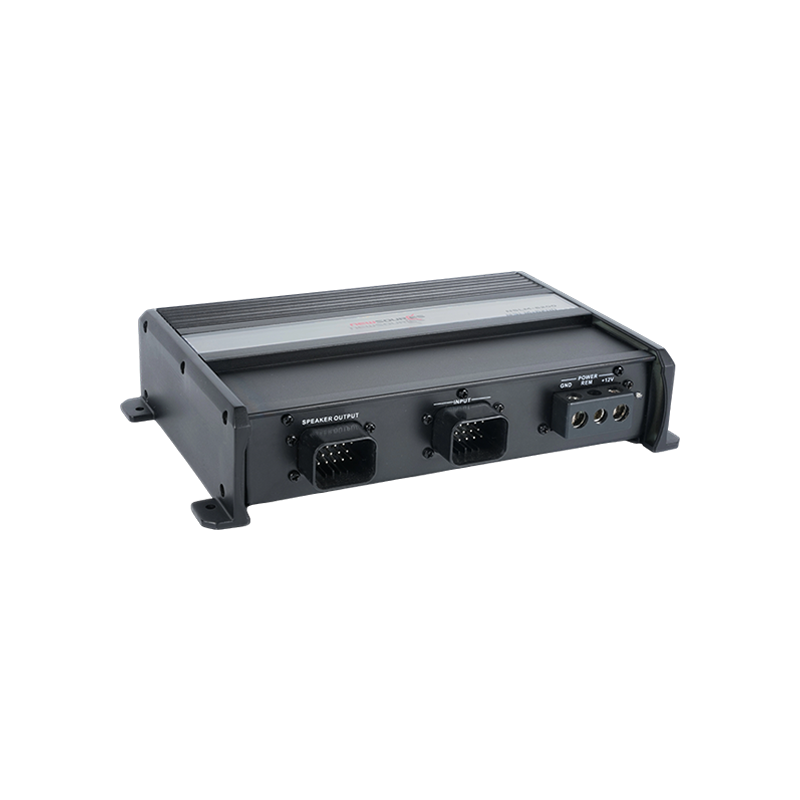
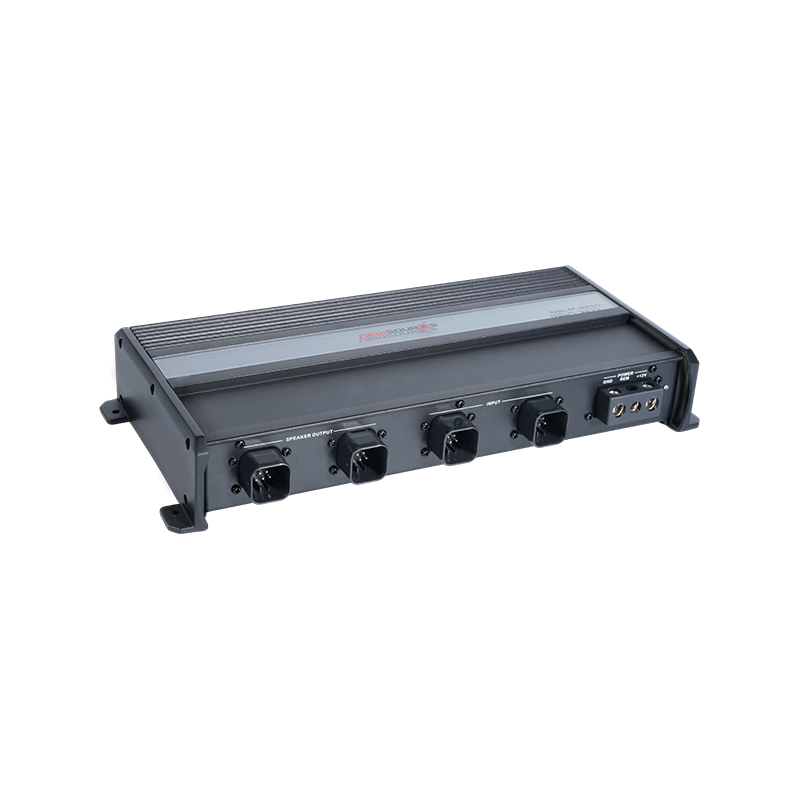
A DSP marine amplifier is a specialized audio amplification device designed for marine environments that integrates Digital Signal Processing (DSP) technology. Unlike traditional marine amplifiers that only boost audio signals, a DSP marine amplifier actively processes sound through digital algorithms to optimize clarity, balance, and power delivery. This combination allows precise tuning of marine audio systems despite challenges such as wind noise, engine vibration, and open-water acoustics.
DSP marine amplifiers are commonly used in boats, yachts, personal watercraft, and offshore vessels where sound systems must deliver high output while maintaining durability and signal accuracy. Their ability to fine-tune audio output makes them essential for modern marine entertainment systems.
Why DSP Technology Matters in Marine Audio
Marine audio systems operate in one of the most acoustically demanding environments. Open decks, reflective surfaces, and varying listening distances create uneven sound dispersion. DSP technology allows the amplifier to digitally correct these issues before the signal reaches the speakers.
With built-in digital control, DSP marine amplifiers can adjust frequency response, time alignment, and speaker output independently. This results in clearer vocals, controlled bass, and consistent sound across different areas of the vessel.
Core DSP Functions in Marine Amplifiers
- Equalization (EQ) for precise frequency tuning
- Crossover control for optimal speaker separation
- Time alignment to synchronize sound arrival
- Signal limiting to prevent distortion and speaker damage
Marine-Grade Design and Environmental Protection
A DSP marine amplifier is engineered to withstand harsh marine conditions that would damage standard car or home audio amplifiers. Saltwater exposure, humidity, UV radiation, and temperature fluctuations demand robust protective measures.
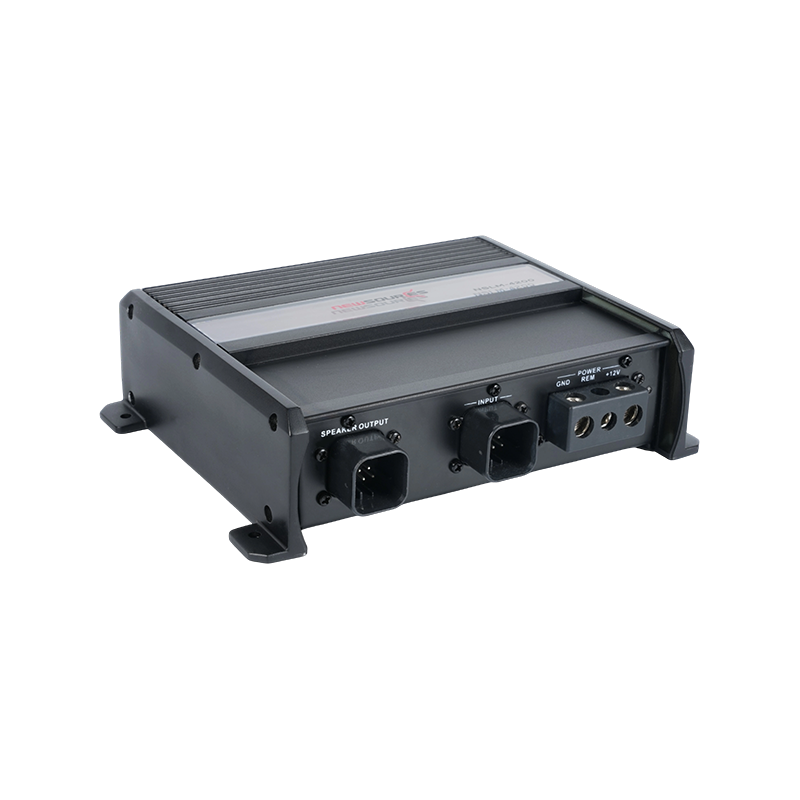
Most marine DSP amplifiers feature corrosion-resistant aluminum housings, conformal-coated circuit boards, and sealed connectors. These design elements ensure reliable performance over long periods of exposure to marine environments.
Common Marine Protection Features
- IP-rated water and dust resistance
- Salt fog and corrosion protection
- Thermal protection circuits
- UV-resistant coatings
Power Output and Channel Configuration
DSP marine amplifiers are available in multiple channel configurations to support complex marine audio systems. Common options include 2-channel, 4-channel, 6-channel, and 8-channel designs, allowing independent control over speakers and subwoofers.
Power ratings are typically optimized for continuous output rather than peak power, ensuring stable performance even during extended listening sessions. This is critical in marine settings where voltage fluctuations are common.
DSP Marine Amplifier vs Standard Marine Amplifier
While both types amplify audio signals, a DSP marine amplifier offers significantly greater control and system flexibility. Standard marine amplifiers rely on external processors or basic analog filters, limiting tuning accuracy.
| Feature | DSP Marine Amplifier | Standard Marine Amplifier |
| Audio Processing | Built-in Digital Signal Processing | Analog or None |
| Sound Tuning | Highly Adjustable | Limited |
| System Complexity | Supports Multi-Zone Audio | Basic Speaker Control |
| Installation Flexibility | High | Moderate |
Installation Considerations for DSP Marine Amplifiers
Proper installation directly impacts the performance and lifespan of a DSP marine amplifier. Location selection should prioritize ventilation, accessibility, and protection from direct water exposure.
Power wiring must be marine-grade, properly fused, and sized according to amplifier current requirements. Signal cables should be routed separately from power lines to minimize interference.
Best Installation Practices
- Mount in a dry, well-ventilated area
- Use tinned copper marine wiring
- Ensure proper grounding to prevent noise
- Secure cables to avoid vibration damage
DSP Tuning and Software Control
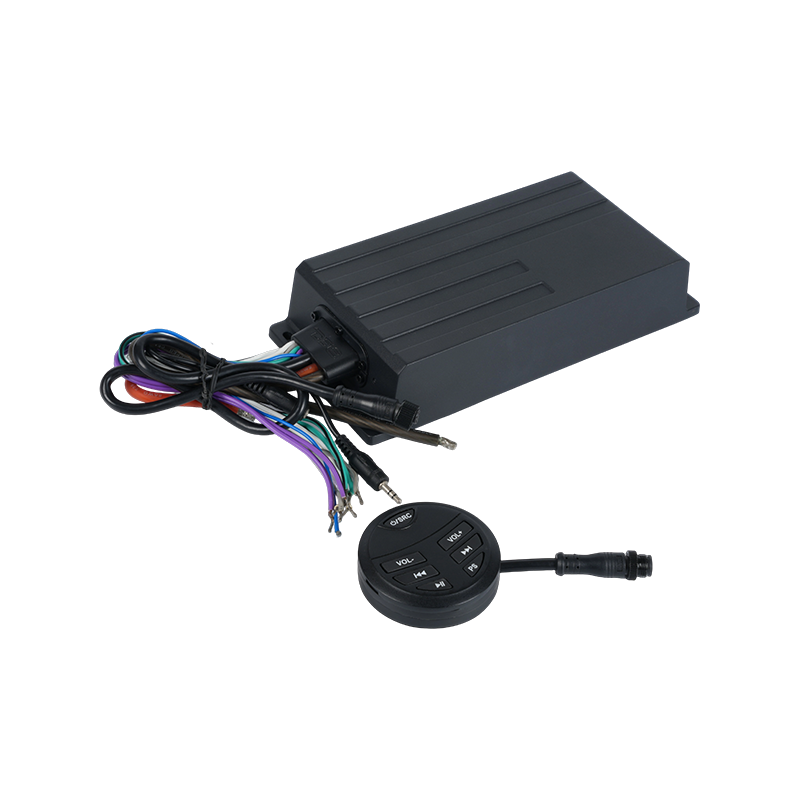
One of the defining advantages of a DSP marine amplifier is software-based tuning. Most models support control via PC software or mobile applications using USB, Bluetooth, or Ethernet connections.
Users can create custom presets for different listening conditions, such as cruising, anchoring, or high-speed operation. This adaptability allows the sound system to perform optimally regardless of environmental changes.
Multi-Zone Audio Management on Boats
Larger vessels often require separate audio zones for cockpit, cabin, bow, and swim platform areas. DSP marine amplifiers make it possible to control volume, EQ, and crossover settings independently for each zone.
This ensures consistent sound quality without overpowering quieter areas, enhancing overall onboard comfort and user experience.
Energy Efficiency and Power Management
Marine electrical systems rely on batteries and alternators, making energy efficiency a priority. DSP marine amplifiers often use Class D amplification technology, which delivers high output with minimal heat generation and power loss.
Advanced DSP algorithms also manage signal levels dynamically, preventing unnecessary power draw and protecting the electrical system during voltage drops.
Applications of DSP Marine Amplifiers
DSP marine amplifiers are used across a wide range of marine audio applications. From recreational boats to luxury yachts, they provide scalable solutions for both simple and complex sound systems.
- Sport and fishing boats
- Luxury yachts
- Wakeboard and surf boats
- Commercial and charter vessels
Conclusion
A DSP marine amplifier represents a significant advancement in marine audio technology, combining powerful amplification with precise digital control. Its ability to adapt sound output to challenging marine environments ensures superior audio quality, system protection, and user satisfaction.
By selecting the right DSP marine amplifier and implementing proper installation and tuning practices, boat owners and system integrators can achieve professional-grade sound performance that enhances every on-water experience.