
 EN
EN
 English
 Español
 عربى
عربىContent
- 1 Why DSP Matters in Marine Audio Systems
- 2 Core Features of a High-Quality DSP Marine Amplifier
- 3 How to Choose the Right DSP Marine Amplifier
- 4 Installation Best Practices for Marine DSP Amplifiers
- 5 Common Marine Audio Problems Solved by DSP Amplifiers
- 6 Conclusion: Why DSP Marine Amplifiers Are Worth the Investment
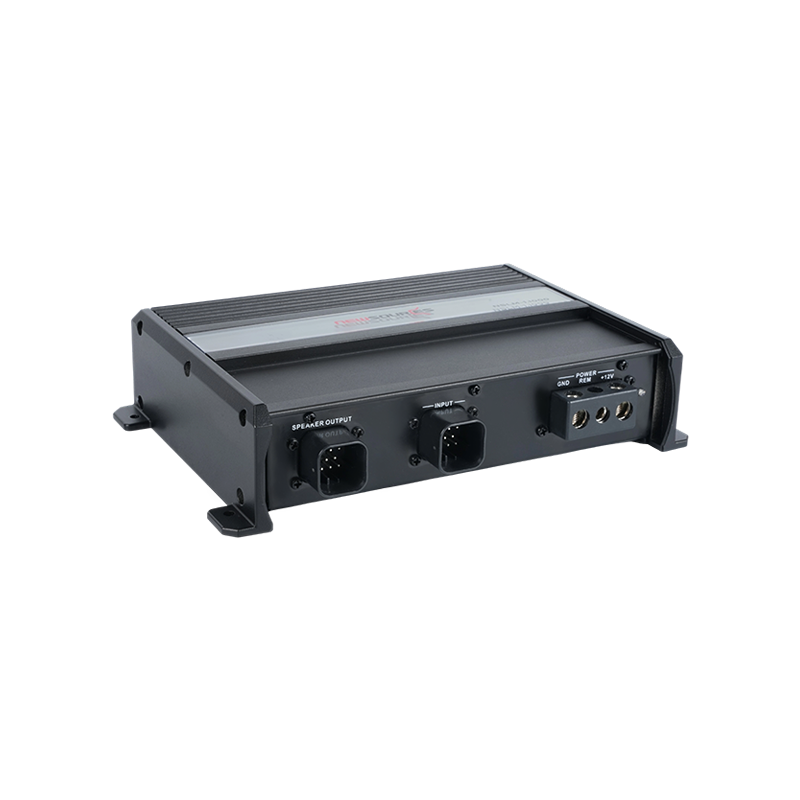
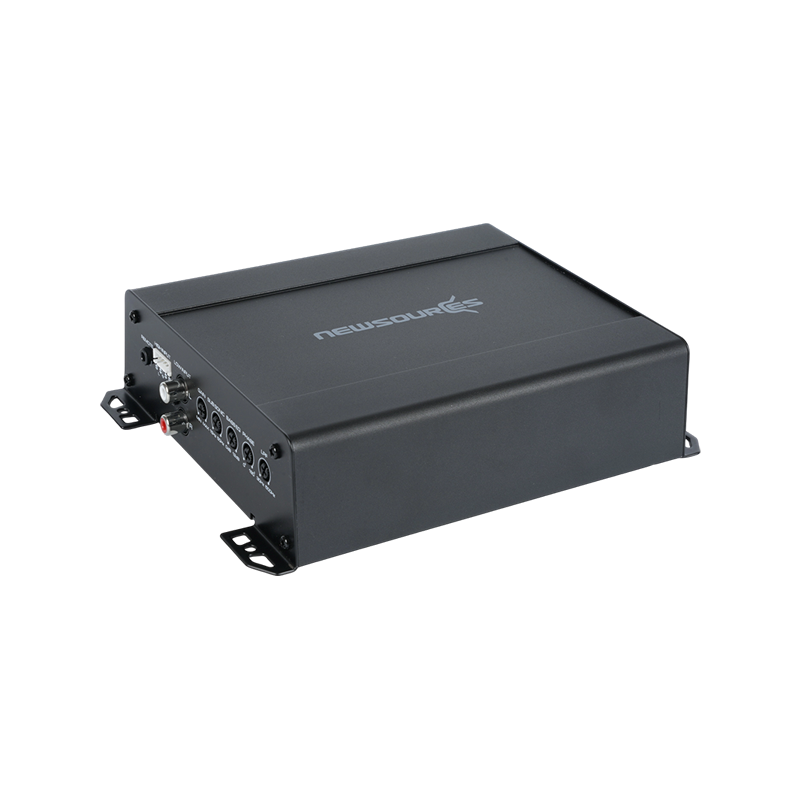
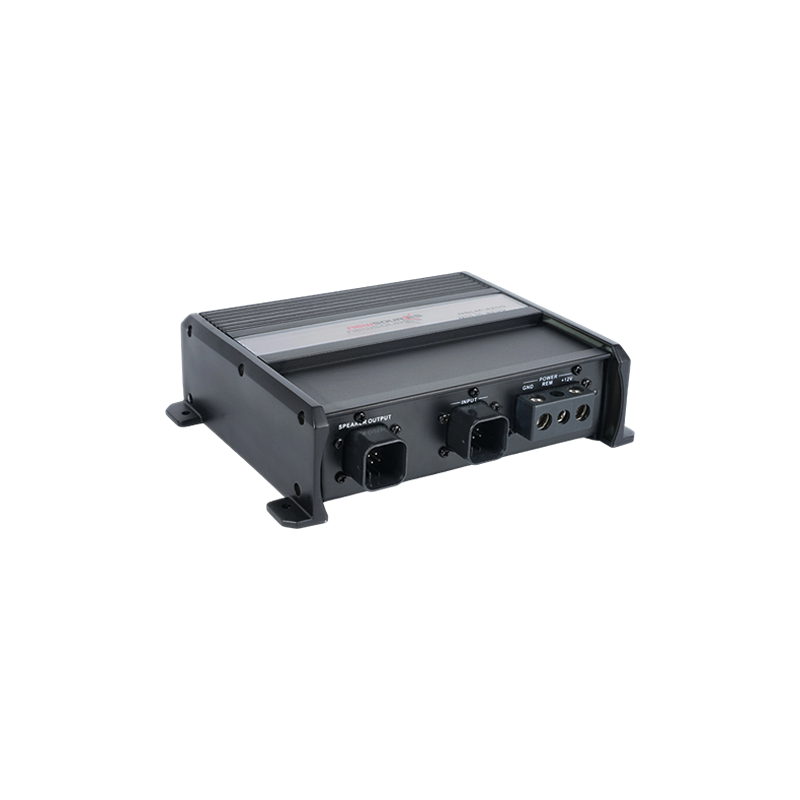
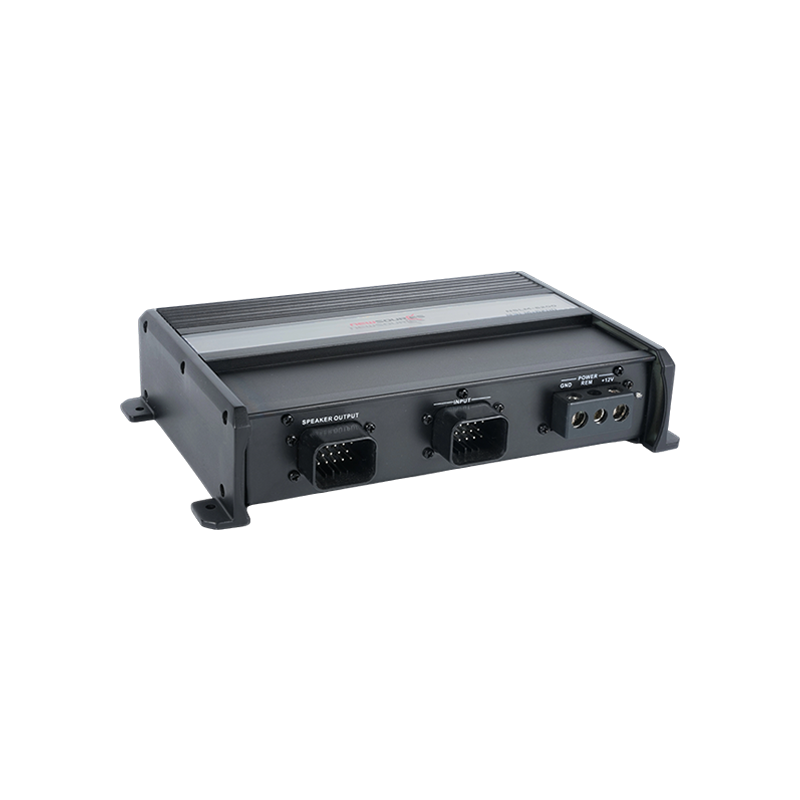
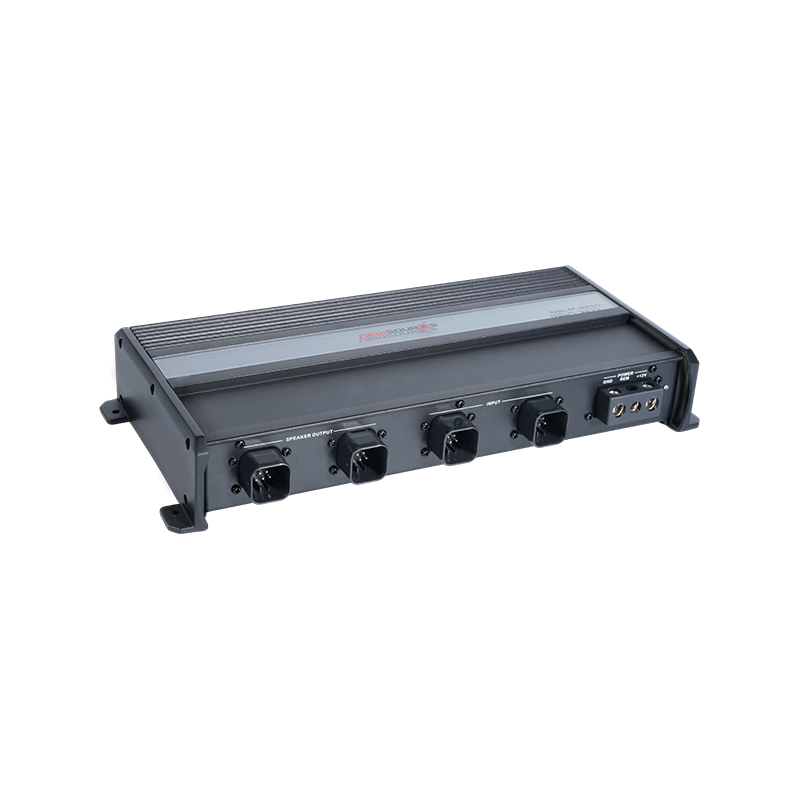
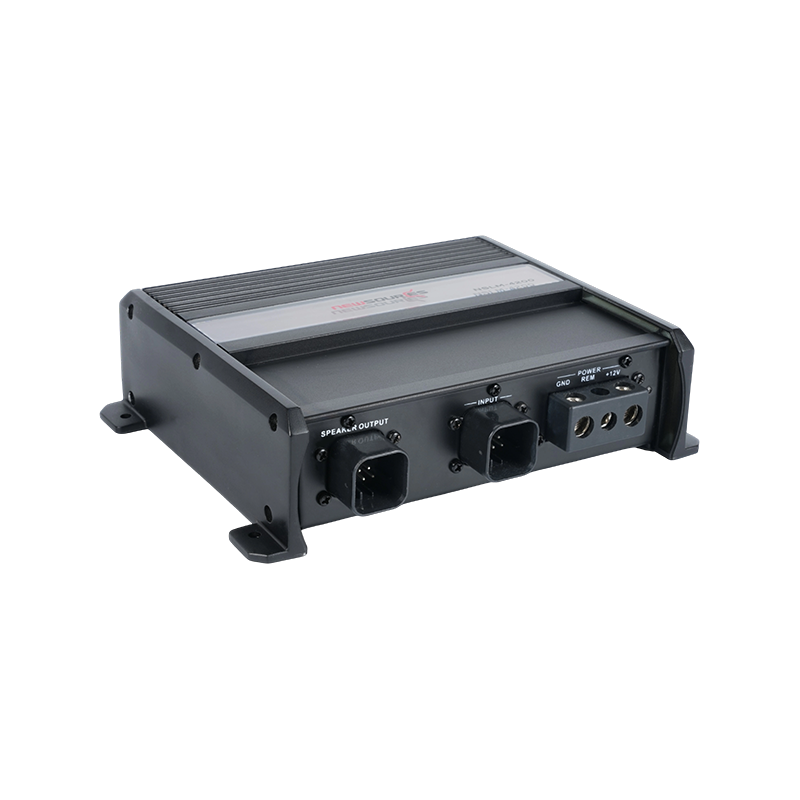
A DSP marine amplifier is a specialized audio amplifier designed for boats, yachts, and marine environments. It combines a traditional power amplifier with a digital signal processor (DSP), allowing the user to fine-tune sound performance, control multiple channels, and correct audio issues caused by marine noise and environmental conditions. Unlike standard car amplifiers, DSP marine amplifiers are built with corrosion-resistant materials and waterproof protection, making them suitable for high humidity, saltwater exposure, and extreme temperature changes.
Why DSP Matters in Marine Audio Systems
Marine environments are uniquely challenging for audio systems. Wind noise, engine vibration, water spray, and reflective surfaces can cause audio distortion, loss of clarity, and uneven sound distribution. A DSP marine amplifier solves many of these issues by processing the audio signal before amplification. It enables precise control of frequency response, phase alignment, and time delay, which improves sound quality even in noisy conditions.
Sound Correction and Equalization
DSP allows users to adjust the frequency balance to match the boat’s acoustic environment. Since boats often have hard surfaces that cause reflections and sound distortion, equalization helps to reduce harshness and improve midrange clarity. Many DSP amplifiers include preset modes for marine environments, making setup easier for non-technical users.
Time Alignment and Phase Control
Time alignment adjusts the timing of audio signals sent to different speakers. On a boat, speakers are placed in different positions and distances, which can cause sound waves to reach the listener at different times. DSP corrects these delays, ensuring a more unified soundstage and clearer imaging.
Noise Reduction and Dynamic Control
Marine engines generate significant noise, especially at high speeds. DSP amplifiers can include noise filters, dynamic range control, and compression to maintain sound clarity without distortion. This is crucial for boats where audio systems must compete with constant background noise.
Core Features of a High-Quality DSP Marine Amplifier
A reliable DSP marine amplifier should combine sound performance, durability, and usability. Below are the essential features that distinguish high-end marine amplifiers from ordinary ones.
Marine-Grade Construction
Marine-grade amplifiers use corrosion-resistant materials such as stainless steel, aluminum alloy, and coated circuit boards. They often have waterproof connectors and sealed enclosures to prevent moisture and salt from damaging internal components. These protections are essential for long-term durability and stable performance.
Multiple Output Channels
Marine audio systems often require multi-zone configurations, such as cockpit, cabin, and swim platform zones. A DSP marine amplifier typically supports 4 to 8 channels, enabling independent volume control and sound tuning for each zone. This flexibility is important for boats with multiple listening areas.
Built-In DSP Software and Remote Control
Many modern DSP marine amplifiers include PC or mobile app control for easy tuning. Users can adjust equalization, crossover points, and time alignment through an intuitive interface. Remote control also simplifies onboard adjustments without needing technical expertise.
High Power Output and Stable Voltage Handling
Marine audio systems require high power output to overcome wind and engine noise. A DSP marine amplifier should offer stable voltage handling and thermal protection to maintain performance during long trips. Look for models with high RMS power ratings and efficient cooling systems.
How to Choose the Right DSP Marine Amplifier
Selecting the correct DSP marine amplifier requires understanding the boat’s audio requirements, power needs, and installation conditions. Below is a practical guide to help buyers make an informed decision.
Determine the Total Power Requirement
Calculate the total power needed by adding the RMS power ratings of all speakers and subwoofers. A DSP marine amplifier should provide at least 20% more power than the total speaker requirement to ensure stable performance. Undersized amplifiers may cause distortion and risk damage to speakers.
Choose the Right Channel Configuration
Consider how many zones you need and how many speakers per zone. For example, a 4-channel amplifier is suitable for a simple cockpit setup, while an 8-channel amplifier is ideal for multiple zones. If using a subwoofer, ensure the amplifier supports a dedicated sub channel with adjustable crossover settings.
Check the DSP Functionality
DSP features vary by model. Essential functions include equalization, crossover, time alignment, and noise filters. More advanced models may include built-in presets for marine environments, automatic calibration, and multi-zone control. Choose based on the complexity of your audio system and your tuning preferences.
Verify Marine Certification and Durability
Look for marine certifications and ratings such as IPX5 or IPX6 waterproof rating. Ensure the amplifier uses marine-grade connectors and sealed enclosures. Durable construction prevents failure caused by corrosion, vibration, and moisture exposure.
Installation Best Practices for Marine DSP Amplifiers
Proper installation is crucial for the performance and lifespan of a DSP marine amplifier. Below are practical tips for ensuring a safe and reliable setup.
Choose the Correct Location
Install the amplifier in a dry, ventilated location away from direct water exposure. Common installation areas include under seats, inside compartments, or behind the dashboard. Avoid locations near engine heat or direct sunlight to prevent overheating.
Use Marine-Grade Wiring and Connectors
Use high-quality marine-grade cables with corrosion-resistant terminals. Ensure proper wire gauge for the power and speaker connections to avoid voltage drops. Proper grounding is also essential to prevent noise and interference in the audio signal.
Secure and Seal All Connections
Marine conditions cause vibration and movement, so secure all connections with clamps and protective covers. Use waterproof sealant or marine-grade connectors to prevent moisture ingress. Proper sealing extends the amplifier’s lifespan and prevents short circuits.
Perform DSP Tuning After Installation
Once installed, use the DSP software to tune the system. Adjust equalization and crossover settings based on speaker placement and boat acoustics. Use time alignment to balance sound between zones. Proper tuning ensures the best sound quality and eliminates distortion caused by poor installation.
Common Marine Audio Problems Solved by DSP Amplifiers
Marine audio systems often face specific challenges that DSP amplifiers can address effectively. Here are the most common problems and how DSP solves them.
Wind Noise and Engine Interference
High-speed boating produces wind noise that masks mid and high frequencies. DSP equalization can enhance speech clarity and restore high-frequency detail. Dynamic compression and noise filters reduce the impact of engine interference.
Uneven Sound Distribution Across Zones
Different zones on a boat often have varying sound levels. DSP allows independent volume control and equalization per zone, ensuring consistent audio experience. Time alignment ensures that all zones sound synchronized.
Distortion from Overdriving Speakers
When speakers are pushed beyond their power limits, distortion occurs. DSP amplifiers include adjustable crossover and gain settings, protecting speakers from clipping and improving overall sound clarity.
Conclusion: Why DSP Marine Amplifiers Are Worth the Investment
A DSP marine amplifier is a powerful solution for achieving high-quality sound on boats. Its advanced tuning capabilities, marine-grade construction, and multi-zone control make it the best choice for marine audio systems. Whether you are upgrading a basic setup or building a professional marine sound system, a DSP amplifier ensures clearer sound, better balance, and greater durability in harsh marine environments. Choosing the right model requires understanding power requirements, channel configuration, and DSP features, but the results are a superior listening experience that can withstand saltwater and high-speed boating conditions.