
 EN
EN
 English
 Español
 عربى
عربىContent
- 1 What the IPX5 Rating Really Means
- 2 Key Environmental Challenges in Off-Road Use
- 3 How IPX5 Powersport Amplifiers Handle Water Exposure
- 4 Resistance to Dust, Dirt, and Mud
- 5 Vibration and Shock Protection in Rugged Terrain
- 6 Thermal Performance in Extreme Temperatures
- 7 Material Selection and Corrosion Resistance
- 8 Real-World Applications Across Powersport Vehicles
- 9 Comparison of IPX5 vs Higher IP Ratings
- 10 Installation Factors That Affect Durability
- 11 Maintenance Tips for Long-Term Outdoor Performance
- 12 Can an IPX5 Powersport Amplifier Truly Handle Extremes?
An IPX5 class powersport amplifier is specifically engineered for outdoor and high-vibration environments such as motorcycles, ATVs, UTVs, boats, and off-road vehicles. Unlike standard car audio amplifiers, these units are designed to withstand water splashes, dust exposure, mud, temperature fluctuations, and continuous vibration. The IPX5 rating indicates a defined level of water resistance, but understanding what that rating truly means is critical before relying on the amplifier in extreme weather or rugged terrain.
In off-road and powersport applications, audio equipment is often exposed directly to rain, pressure washing, road spray, and debris. An IPX5 powersport amplifier addresses these challenges through sealed housings, corrosion-resistant materials, and protective circuit design, ensuring stable audio performance even when environmental conditions are far from ideal.
What the IPX5 Rating Really Means
The IP (Ingress Protection) rating system defines how well a device resists solids and liquids. An IPX5 rating focuses specifically on water resistance, with the “X” indicating that dust protection is not formally rated, and the “5” representing protection against low-pressure water jets from any direction. This means the amplifier can endure heavy splashing, rainstorms, and washdowns without internal damage.
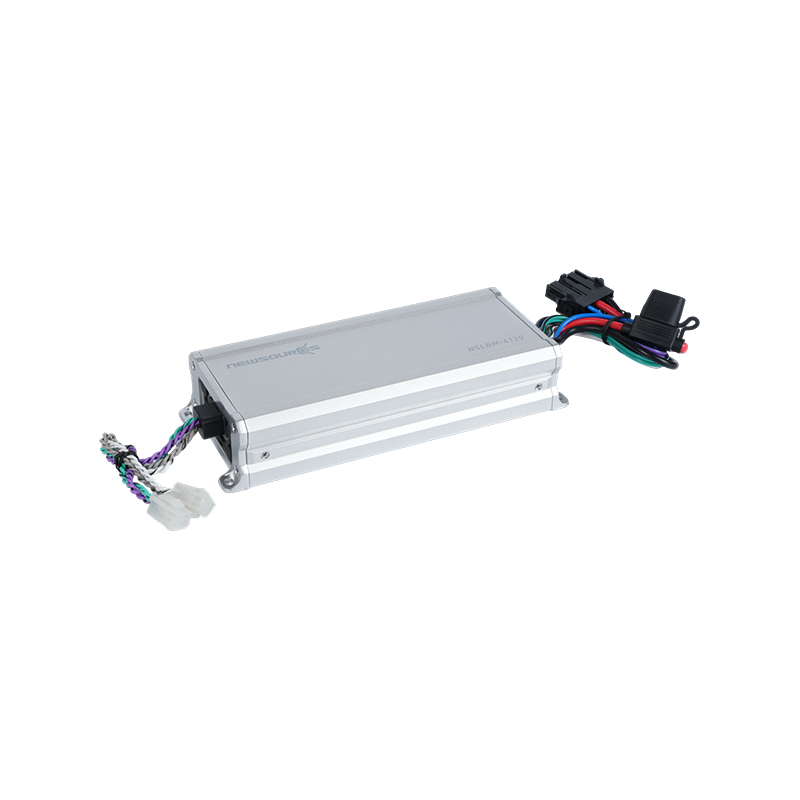
For powersport users, IPX5 protection is generally sufficient for most real-world riding conditions. It allows the amplifier to survive sudden weather changes, puddle splashes, and cleaning procedures. However, it does not mean the unit is fully waterproof or suitable for full submersion, which would require a higher IP rating.
Key Environmental Challenges in Off-Road Use
Extreme weather and off-road conditions introduce a combination of environmental stresses that standard electronics are not built to handle. An IPX5 class powersport amplifier is designed with these challenges in mind, offering protection against the most common threats encountered during outdoor operation.
- Heavy rain, snow, and humidity exposure
- Mud, water spray, and road debris
- Intense vibration from uneven terrain
- Extreme heat from engine compartments or direct sunlight
- Cold temperatures that affect electronic components
Each of these factors can degrade audio performance or cause premature failure if the amplifier is not properly designed for powersport use.
How IPX5 Powersport Amplifiers Handle Water Exposure
Water resistance is one of the most critical features of an IPX5 class powersport amplifier. Manufacturers achieve this protection through sealed enclosures, waterproof gaskets, and conformal coating on internal circuit boards. These design elements prevent moisture from reaching sensitive electronic components.
Connectors and control interfaces are also designed to minimize water ingress. Rubberized caps, sealed knobs, and corrosion-resistant terminals help ensure that repeated exposure to water does not compromise electrical connections or signal quality.
Resistance to Dust, Dirt, and Mud
Although the IPX5 rating does not officially certify dust resistance, most IPX5 powersport amplifiers are built with dust and dirt exposure in mind. Tight housing tolerances and sealed interfaces reduce the likelihood of fine particles entering the unit, which is essential for off-road environments where dust clouds and mud splatter are common.
Mud and dirt accumulation on the exterior can still affect heat dissipation if not cleaned regularly. However, the internal electronics remain protected as long as the amplifier is installed and maintained correctly.
Vibration and Shock Protection in Rugged Terrain
Off-road vehicles subject audio equipment to continuous vibration and sudden impacts. IPX5 class powersport amplifiers address this through reinforced mounting points, vibration-resistant solder joints, and compact internal layouts that reduce stress on components.
Many models are tested against industry vibration standards to ensure they can withstand prolonged use on rocky trails, sand dunes, and uneven terrain without audio dropouts or internal damage.
Thermal Performance in Extreme Temperatures
Extreme weather is not limited to water and dirt. Temperature extremes also play a major role in amplifier durability. IPX5 class powersport amplifiers are typically designed to operate across a wider temperature range than standard automotive amplifiers.
Heat-resistant components, efficient power management, and aluminum housings help dissipate heat during summer riding or high-power operation. In cold environments, stable circuit design ensures reliable startup and consistent audio output even at low temperatures.
Material Selection and Corrosion Resistance
Corrosion is a silent threat in powersport applications, especially in humid climates or coastal areas. IPX5 class powersport amplifiers often use marine-grade materials, stainless hardware, and anti-corrosion coatings to extend service life.
These material choices are essential for maintaining electrical conductivity and preventing long-term degradation caused by moisture and salt exposure.
Real-World Applications Across Powersport Vehicles
IPX5 powersport amplifiers are widely used across multiple vehicle types due to their durability and compact design. Typical applications include motorcycles, ATVs, UTVs, side-by-sides, snowmobiles, and even small boats.
In these environments, the amplifier is often mounted in exposed or semi-exposed locations, making water and vibration resistance essential for consistent performance.
Comparison of IPX5 vs Higher IP Ratings
While IPX5 offers strong protection against water jets and splashing, some users may consider higher ratings depending on usage scenarios. The table below highlights general differences in water protection levels.
| IP Rating | Water Protection Level | Typical Use Case |
| IPX4 | Splash-resistant | Light rain exposure |
| IPX5 | Water jets | Off-road and powersport use |
| IPX7 | Temporary immersion | Marine or submerged environments |
Installation Factors That Affect Durability
Even the best IPX5 class powersport amplifier can underperform if installed incorrectly. Proper mounting, adequate airflow, and secure wiring are essential to maximizing resistance to extreme conditions.
Avoiding direct water pooling, using weatherproof connectors, and following manufacturer installation guidelines all contribute to long-term reliability in harsh environments.
Maintenance Tips for Long-Term Outdoor Performance
Routine maintenance helps ensure that an IPX5 powersport amplifier continues to perform under extreme conditions. Regular inspections for loose connections, exterior cleaning, and checking mounting hardware can prevent avoidable failures.
- Rinse exterior surfaces after muddy rides
- Inspect seals and gaskets periodically
- Ensure wiring insulation remains intact
- Check mounting brackets for vibration wear
Can an IPX5 Powersport Amplifier Truly Handle Extremes?
In real-world conditions, an IPX5 class powersport amplifier is more than capable of withstanding extreme weather and off-road environments when used as intended. It provides reliable protection against water spray, vibration, and temperature fluctuations common in powersport activities.
While it is not designed for full submersion or industrial abuse, its balance of durability, performance, and practicality makes it a dependable choice for riders and outdoor enthusiasts who demand consistent audio performance in challenging conditions.