
 EN
EN
 English
 Español
 عربى
عربىContent
- 1 What Is a Class D Entrance Level Car Amplifier?
- 2 Improved Power Delivery and Headroom
- 3 Higher Efficiency and Lower Heat Generation
- 4 Cleaner Sound and Reduced Distortion
- 5 Enhanced Bass Control and Speaker Damping
- 6 Flexibility for Aftermarket Speaker Upgrades
- 7 Built-In Tuning Features for Better Sound Customization
- 8 Comparison Between Stock and Class D Entrance Level Amplifiers
- 9 Cost-Effective Upgrade for Everyday Drivers
- 10 Why Class D Is the Logical Step Beyond Stock Systems
Most factory-installed car audio systems are designed to meet basic listening needs while keeping manufacturing costs low. Stock amplifiers are typically integrated into the head unit or combined with other vehicle electronics, which limits their output power, tuning flexibility, and overall sound quality. These amplifiers usually deliver low RMS power per channel, leading to distortion at higher volumes and weak performance when driving aftermarket speakers.
Another major limitation of stock amplifiers is efficiency. They are often based on older amplifier designs that generate excess heat and consume more electrical power. This restricts their ability to deliver consistent performance over long listening sessions and can negatively impact clarity, especially in bass-heavy music.
What Is a Class D Entrance Level Car Amplifier?
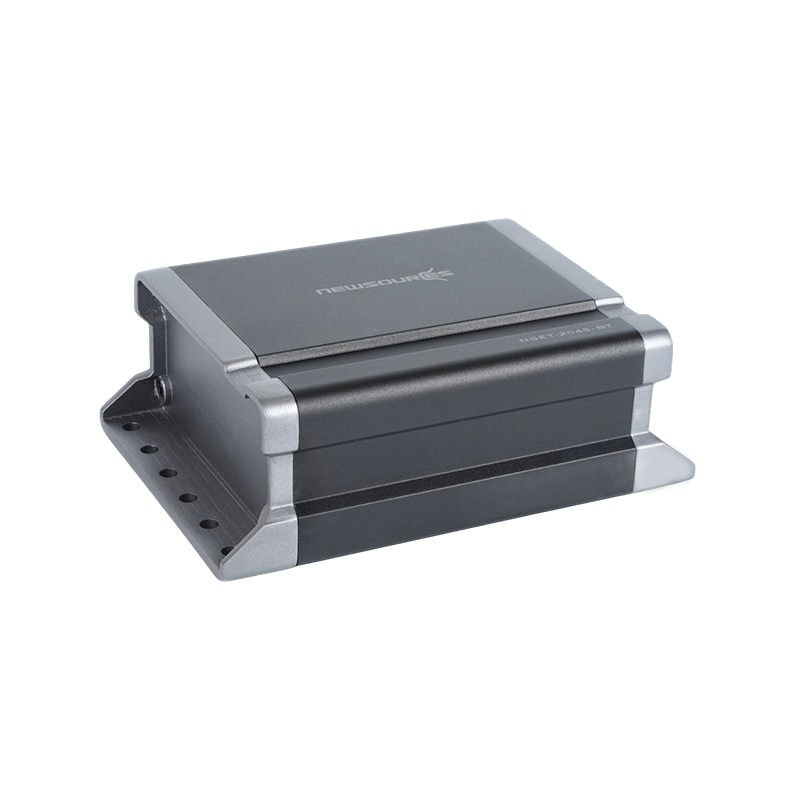
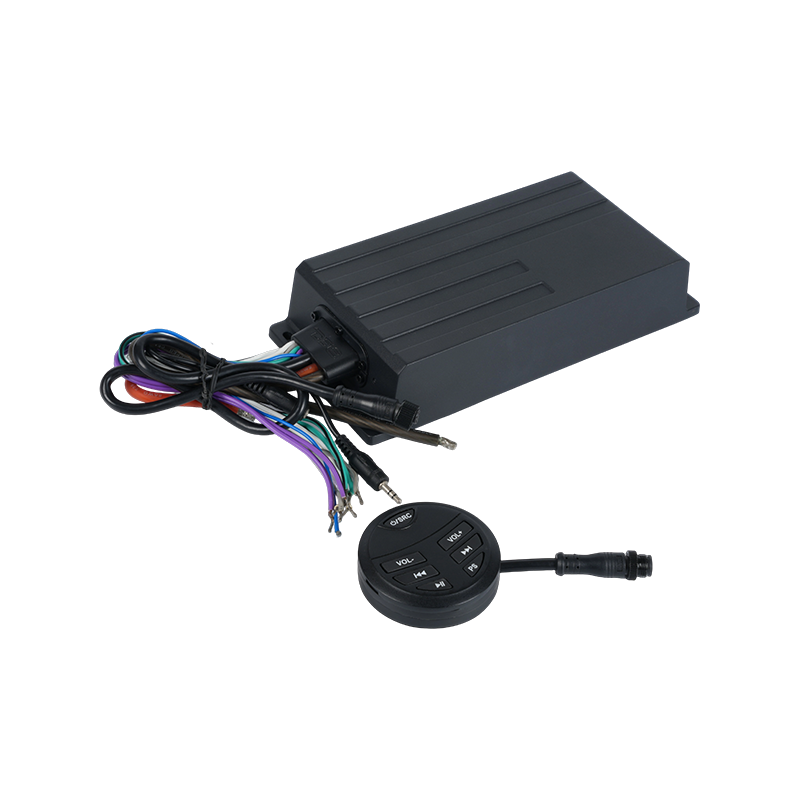
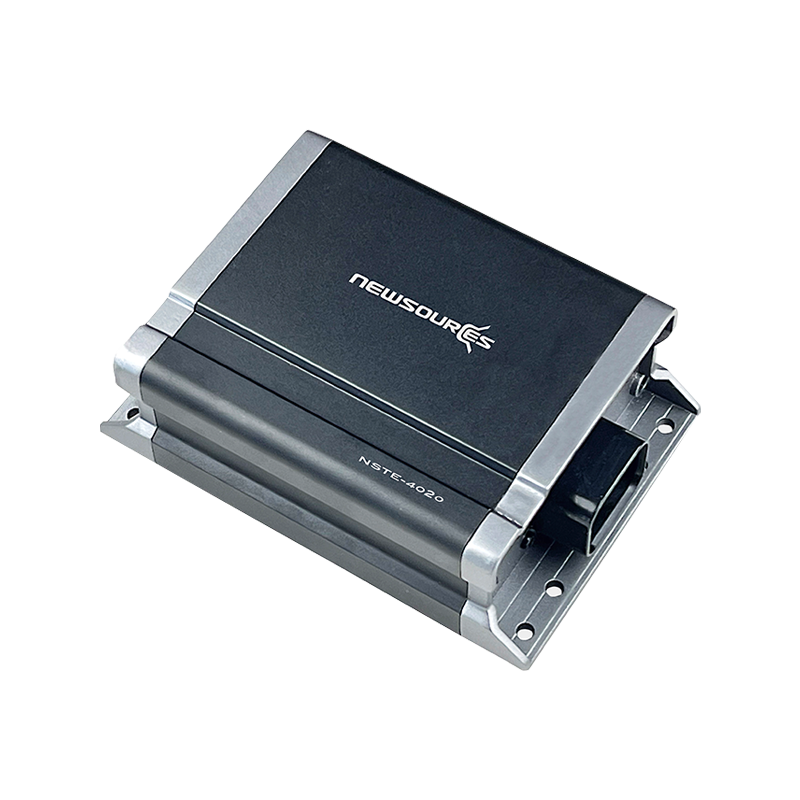
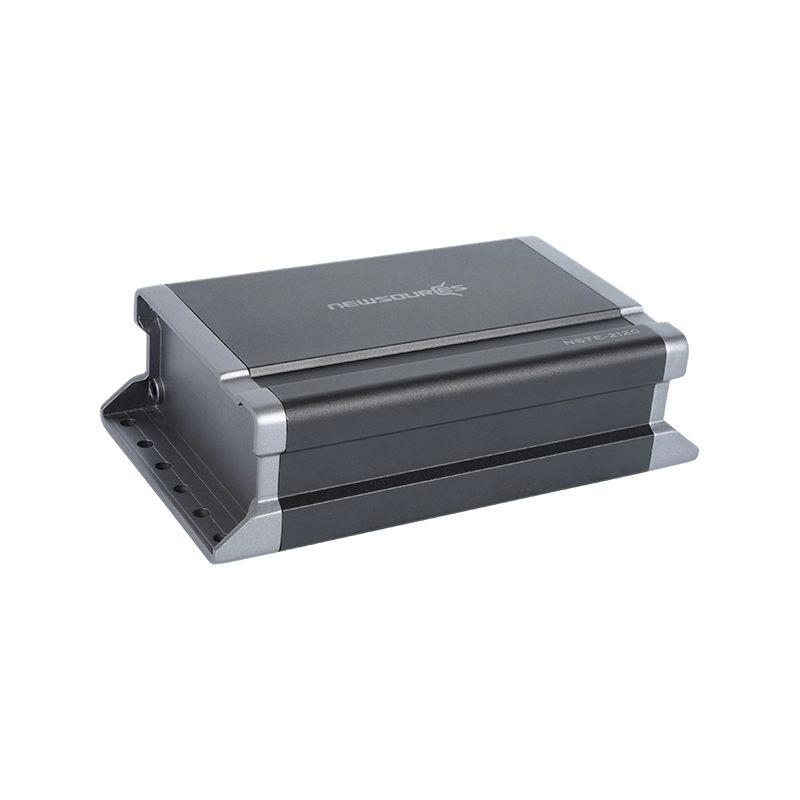
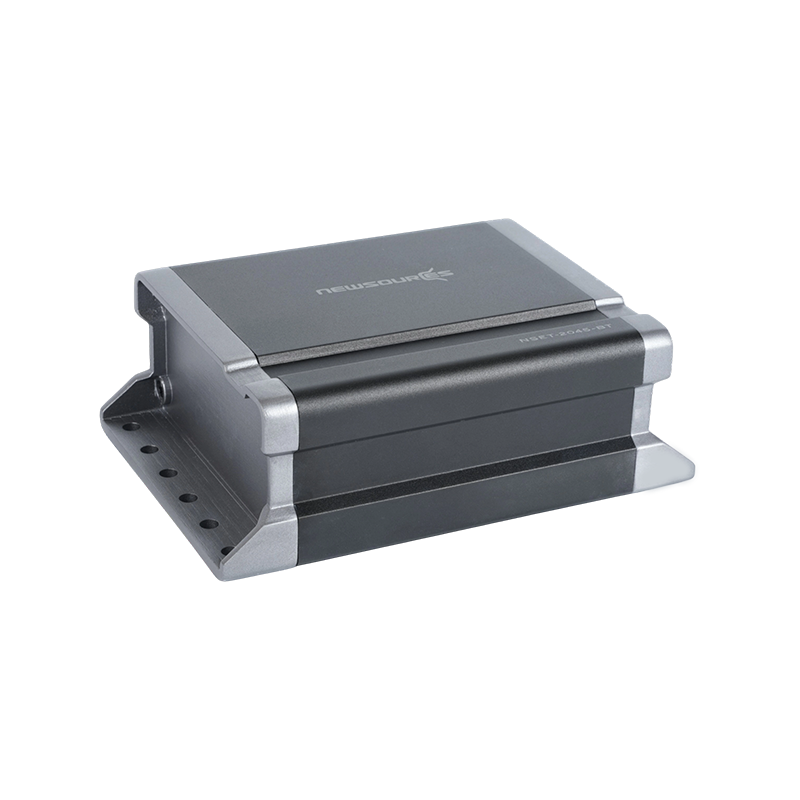
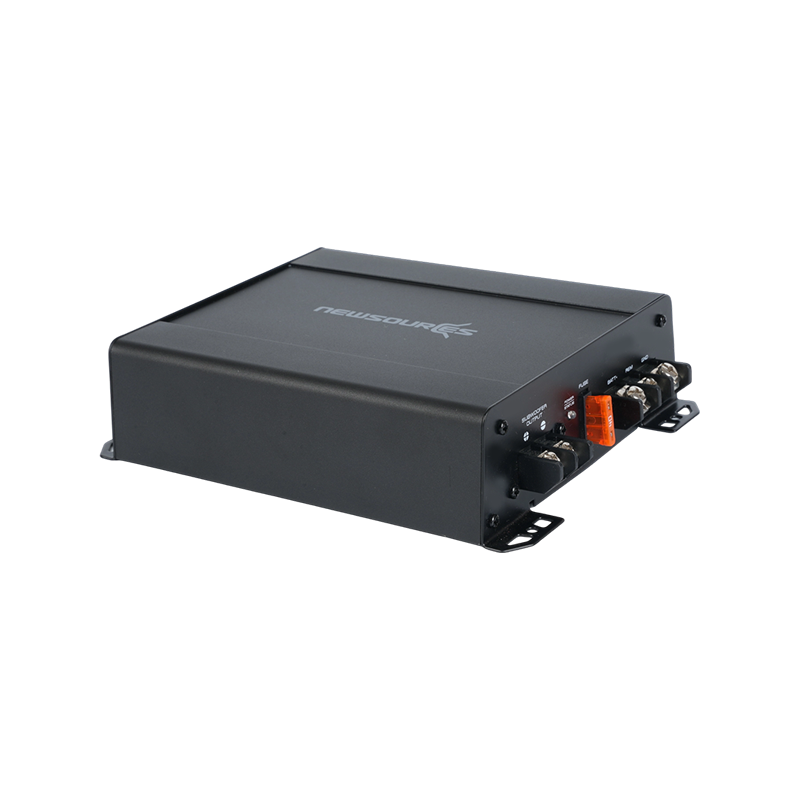
A Class D entrance level car amplifier is an entry-grade external amplifier that uses switching technology to amplify audio signals with high efficiency. Unlike traditional Class A or Class AB amplifiers, Class D amplifiers rapidly switch output devices on and off, significantly reducing power loss. This makes them compact, lightweight, and ideal for modern vehicles with limited installation space.
Entrance level models are specifically designed for beginners or budget-conscious users who want a noticeable upgrade over stock systems without complex installation or high costs. Despite their affordability, these amplifiers still deliver cleaner power, better control over speakers, and improved overall sound dynamics.
Improved Power Delivery and Headroom
One of the most immediate improvements a Class D entrance level car amplifier offers is increased usable power. Stock amplifiers often provide only 10–20 watts RMS per channel, which is insufficient for dynamic music playback. In contrast, even entry-level Class D amplifiers can deliver 40–75 watts RMS per channel or more, depending on configuration.
This additional power creates greater headroom, allowing music to play louder without distortion. Headroom is critical for handling sudden peaks in music, such as drum hits or bass drops, without compressing or clipping the signal. The result is a more dynamic and engaging listening experience.
Why RMS Power Matters More Than Peak Power
Many stock systems advertise peak power, which can be misleading. RMS power reflects the continuous power an amplifier can deliver safely and cleanly. Class D entrance level amplifiers are typically rated honestly for RMS output, making them more reliable and predictable when paired with aftermarket speakers.
Higher Efficiency and Lower Heat Generation
Efficiency is one of the strongest advantages of Class D technology. A typical Class D car amplifier operates at 80–90% efficiency, while many stock or Class AB amplifiers operate closer to 50–60%. Higher efficiency means less electrical energy is wasted as heat.
Lower heat generation allows the amplifier to be installed in tight spaces such as under seats or behind interior panels. It also improves long-term reliability, as electronic components are less stressed by high operating temperatures. For daily drivers, this translates into consistent performance across different driving conditions.
Cleaner Sound and Reduced Distortion
Stock amplifiers often struggle with distortion when pushed beyond moderate volume levels. This distortion masks detail in music and causes listener fatigue. A Class D entrance level car amplifier provides cleaner signal amplification, resulting in clearer vocals, better instrument separation, and tighter bass response.
Modern Class D designs have significantly improved switching frequencies and filtering stages. As a result, issues once associated with early Class D amplifiers, such as harshness or noise, are largely eliminated in contemporary entrance level models.
Enhanced Bass Control and Speaker Damping
Bass performance is one area where the difference between stock and Class D amplifiers becomes especially noticeable. Class D amplifiers typically offer higher damping factors, which means they have better control over speaker cone movement. This results in tighter, more accurate bass rather than loose or muddy low frequencies.
For users adding a small subwoofer or upgrading door speakers, an entrance level Class D amplifier ensures the speakers respond precisely to the audio signal. This improved control enhances both punch and clarity, even at lower volume levels.
Flexibility for Aftermarket Speaker Upgrades
Stock amplifiers are designed to work only with factory speakers, which often have unusual impedance ratings or limited power handling. When aftermarket speakers are installed, the stock amplifier may not be able to drive them properly. A Class D entrance level car amplifier is designed to handle standard speaker impedances, typically 4 ohms, and sometimes even 2 ohms.
This flexibility allows users to upgrade speakers gradually without replacing the entire audio system at once. The amplifier becomes a stable foundation for future improvements.
- Supports a wider range of speaker impedances
- Provides sufficient power for aftermarket component speakers
- Reduces risk of speaker damage due to clipping
Built-In Tuning Features for Better Sound Customization
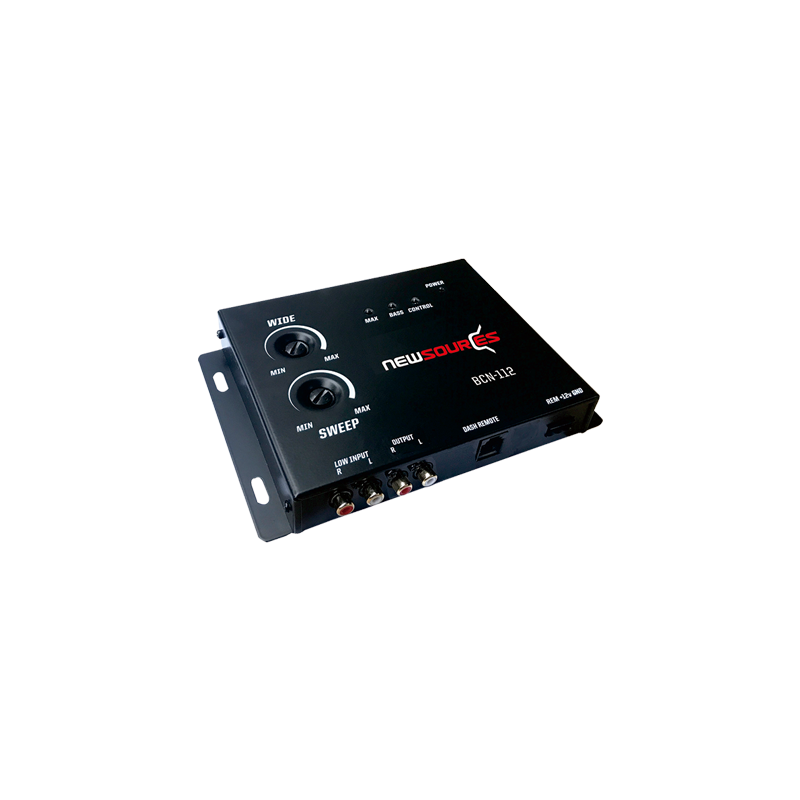
Unlike most stock amplifiers, Class D entrance level car amplifiers usually include basic tuning controls such as gain adjustment, high-pass filters, and low-pass filters. These features allow users to match the amplifier output to their speakers and listening preferences.
Even simple crossover controls can dramatically improve sound quality by ensuring that each speaker plays only the frequencies it is designed to handle. This reduces distortion and extends speaker lifespan.
Comparison Between Stock and Class D Entrance Level Amplifiers
| Aspect | Stock Amplifier | Class D Entrance Level Amplifier |
| RMS Power Output | Low (10–20W per channel) | Moderate to High (40–75W) |
| Efficiency | Low to Moderate | High (80–90%) |
| Sound Distortion | High at loud volumes | Low and well controlled |
| Upgrade Compatibility | Limited | Excellent |
Cost-Effective Upgrade for Everyday Drivers
For many car owners, upgrading the audio system must balance performance and budget. A Class D entrance level car amplifier offers one of the highest returns on investment in car audio. It significantly improves clarity, volume, and bass response without requiring expensive head units or complex system redesigns.
Installation is generally straightforward, and many models are compatible with factory head units using high-level inputs. This makes them accessible even for users with limited technical experience.
Why Class D Is the Logical Step Beyond Stock Systems
Compared to stock amplifiers, a Class D entrance level car amplifier delivers measurable and audible improvements in nearly every aspect of sound reproduction. From higher efficiency and cleaner power to better speaker control and tuning flexibility, the advantages are practical and immediately noticeable.
For drivers seeking a modern, reliable, and scalable audio upgrade, Class D entrance level amplifiers represent a smart transition from factory sound to a more refined listening experience without unnecessary complexity.