
 EN
EN
 English
 Español
 عربى
عربىContent
- 1 What Is a DSP Marine Amplifier?
- 2 Why DSP Matters for Marine Audio
- 3 Key Features to Look for in a DSP Marine Amplifier
- 4 Top DSP Marine Amplifier Comparison
- 5 How to Install a DSP Marine Amplifier
- 6 How to Tune Your DSP Marine Amplifier
- 7 Common Mistakes to Avoid
- 8 Is a DSP Marine Amplifier Worth the Investment?
What Is a DSP Marine Amplifier?
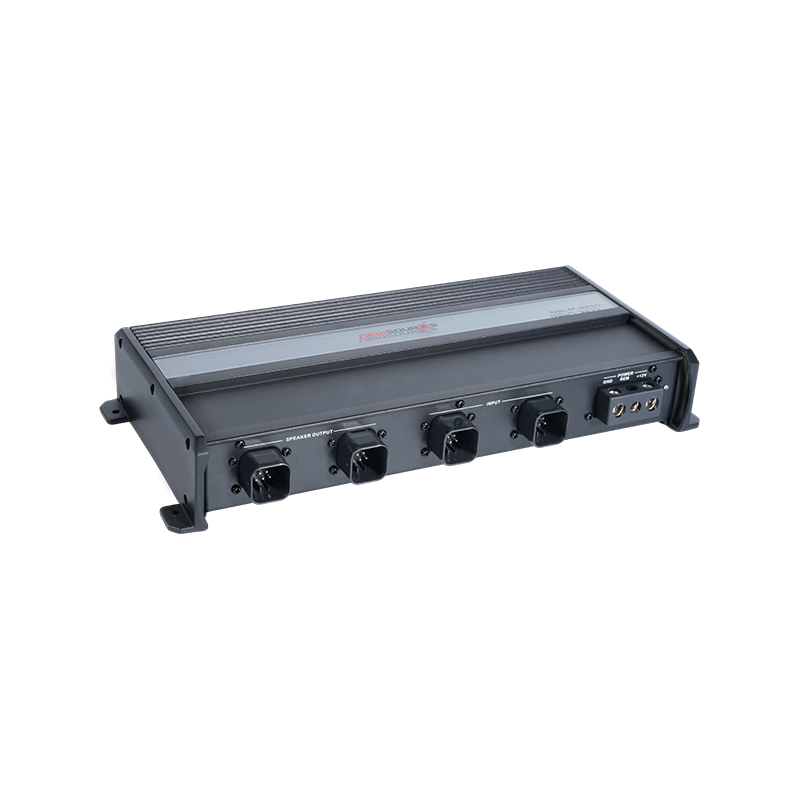
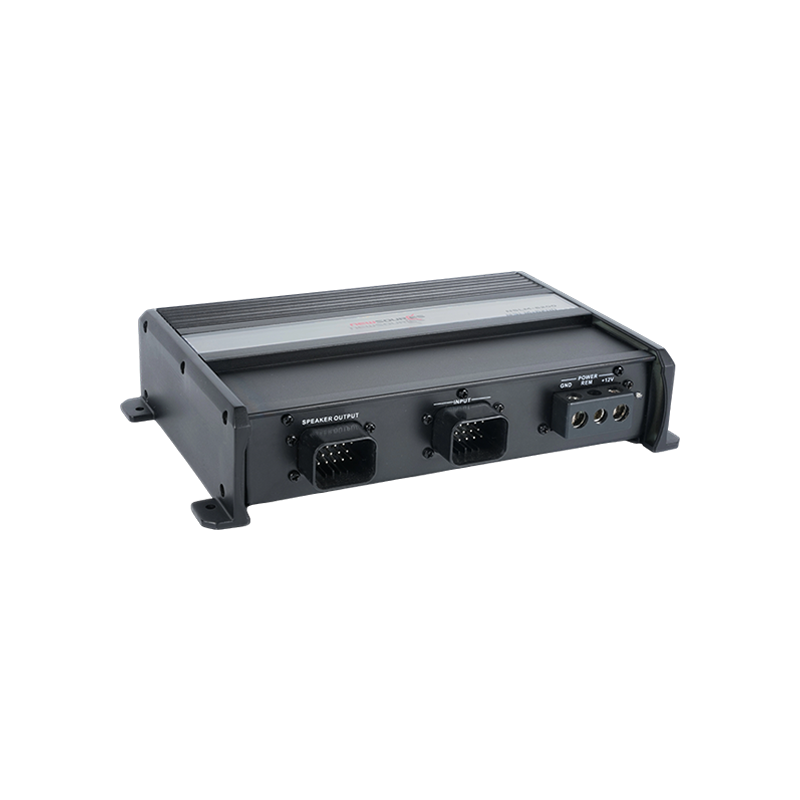
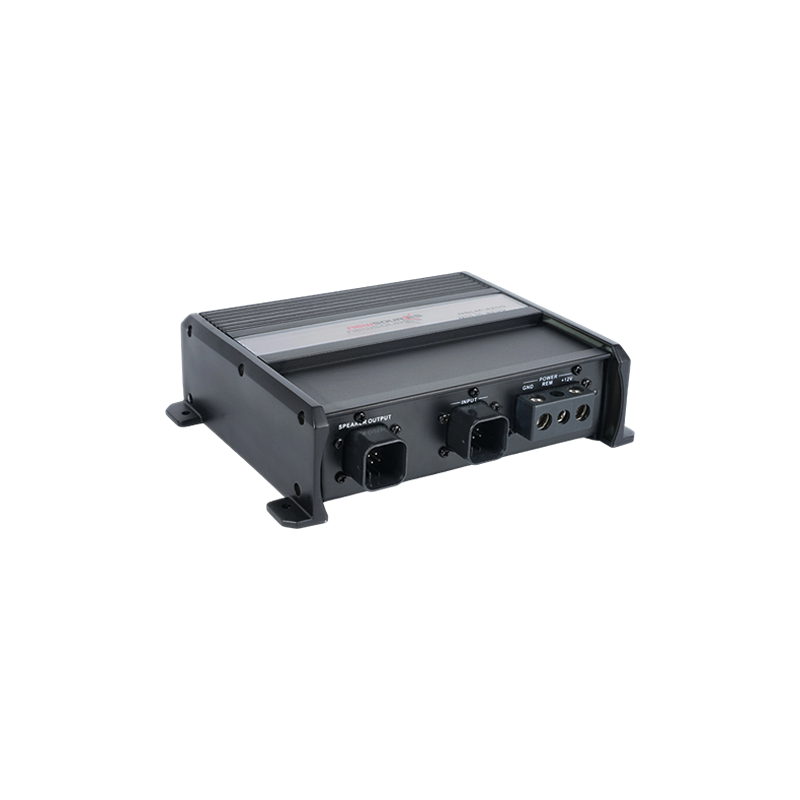
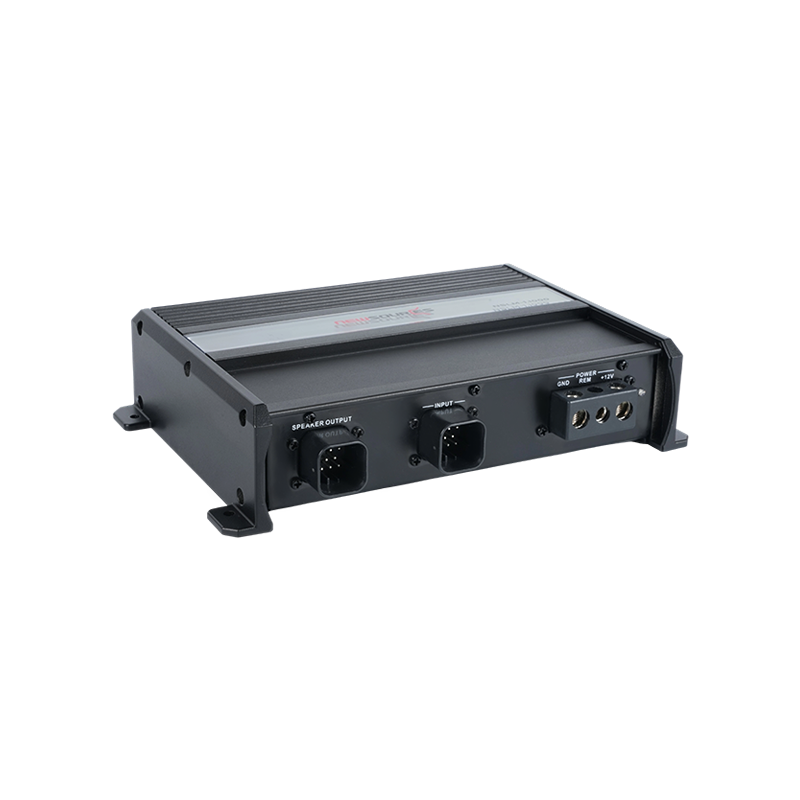
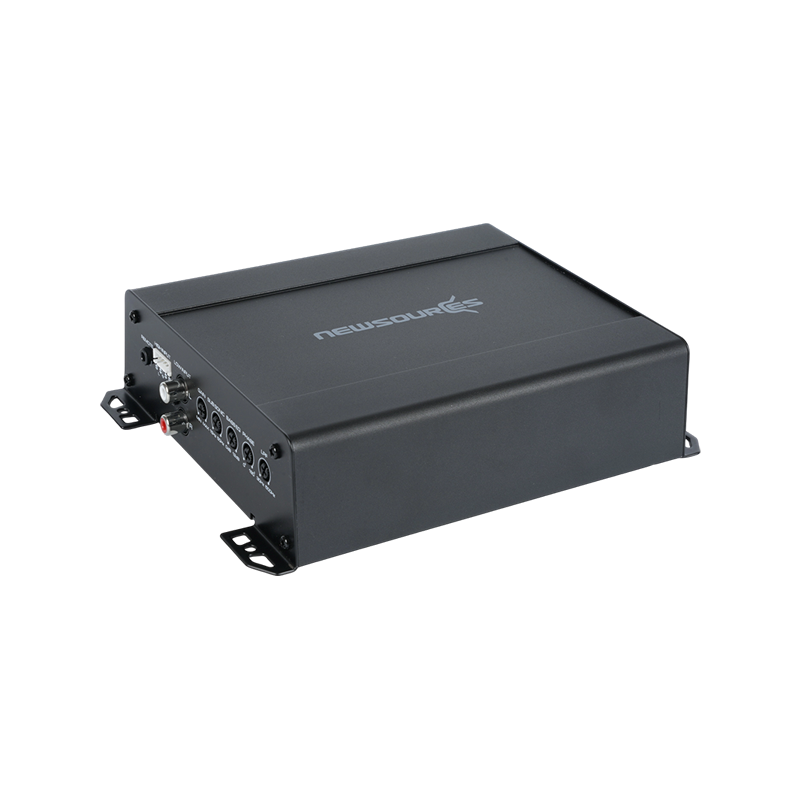
A DSP marine amplifier is a power amplifier designed specifically for watercraft use, built with an integrated Digital Signal Processor (DSP) that gives you software-level control over your audio output. Unlike conventional amplifiers that simply boost a signal, a DSP marine amp processes audio data digitally before it reaches your speakers — allowing for precise adjustments to equalization, time alignment, crossover points, and dynamic range compression. The result is cleaner, more accurate sound even in the acoustically challenging environment of a boat.
Marine environments demand more from electronics than land-based settings. Salt air, UV exposure, constant vibration, and moisture are all factors that standard car or home amplifiers cannot withstand. A true DSP marine amplifier combines IP-rated enclosures, conformal-coated circuit boards, and corrosion-resistant hardware with the intelligence of digital signal processing, making it the premium choice for serious boating audio builds.
Why DSP Matters for Marine Audio
Boats present unique acoustic problems that onshore audio setups rarely face. Open-air listening means sound disperses rapidly. Engine noise, wind, and wave slap compete with your music. Speaker placement is often irregular — some mounted far forward, others at the stern — creating timing mismatches that cause muddy, unfocused sound. DSP technology directly addresses all of these challenges.
With a DSP marine amplifier, you can apply time alignment to synchronize audio arriving from different speaker positions, ensuring every listener on the boat hears a cohesive soundstage. Parametric EQ lets you cut frequencies that resonate inside a fiberglass hull or boost presence frequencies to cut through ambient noise. High-pass and low-pass crossovers can be set digitally with precision down to the hertz, protecting tweeters from bass frequencies and woofers from high-frequency distortion.
Key Features to Look for in a DSP Marine Amplifier
Not all DSP marine amplifiers are created equal. When evaluating options, pay close attention to the following criteria to ensure you invest in a unit that meets your power, durability, and flexibility requirements.
Marine-Grade Protection Ratings
Look for amplifiers with at least an IPX5 or IPX6 water resistance rating. IPX5 means the unit can withstand water jets from any direction, while IPX6 offers protection from powerful water jets. For fully exposed installations near the transom or under open seating, IPX6 or higher is strongly recommended. Conformal coating on the PCB is an additional layer of defense against salt-induced corrosion.
Channel Configuration and Power Output
DSP marine amps typically come in 4-channel, 6-channel, or 8-channel configurations. A 4-channel unit is sufficient for a basic two-zone setup — one pair of speakers at the bow, another at the stern. Larger boats with wakeboard tower speakers, subwoofers, and interior cabin audio will benefit from a 6- or 8-channel amp. Power ratings should be evaluated at 4 ohms RMS, not peak power figures, which are often inflated by manufacturers.
DSP Processing Depth
More processing bands and finer adjustment increments give you more control. Look for amps offering at least 9-band parametric EQ per channel, time alignment adjustable in sub-millisecond increments, and variable crossover slopes (12 dB/octave, 24 dB/octave, or steeper). Some premium units include automatic equalization through an included microphone — a valuable feature for fine-tuning without an audio engineering background.
Connectivity and Control Options
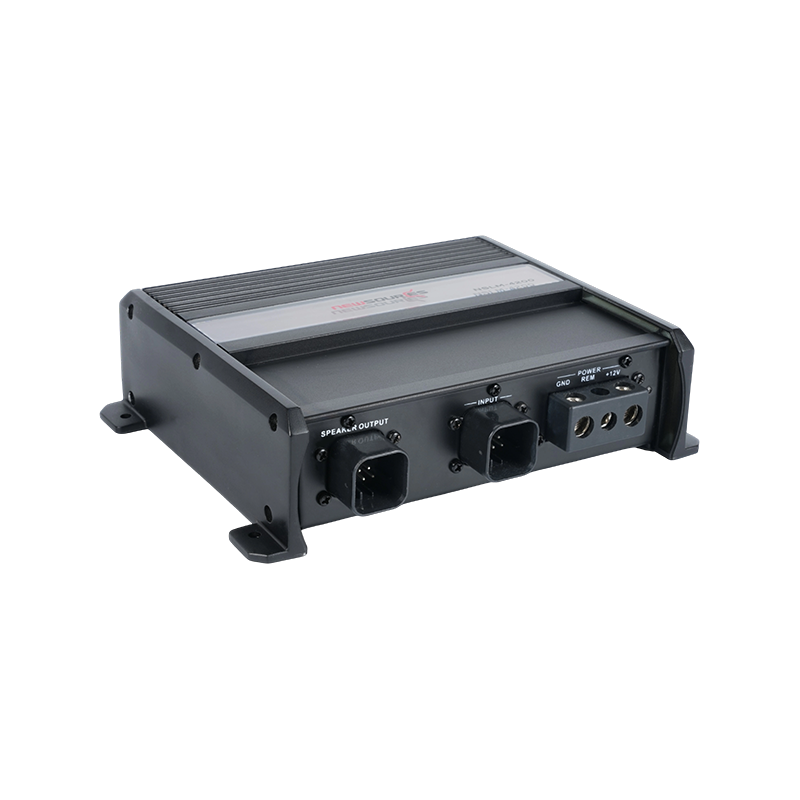
Modern DSP marine amplifiers should offer Bluetooth configuration via a smartphone app, USB connection for PC-based tuning software, or both. Remote level control inputs allow you to integrate a dash-mounted volume knob. Some models are compatible with NMEA 2000 marine networks, enabling integration with your chart plotter or multifunction display.
Top DSP Marine Amplifier Comparison
The table below compares several leading DSP marine amplifiers across key performance and feature metrics to help narrow your decision.
| Model | Channels | RMS Power (4Ω) | Water Rating | App Control |
| Rockford Fosgate M5-800X4 | 4 | 200W x 4 | IPX6 | Yes |
| JL Audio MX500/4 | 4 | 125W x 4 | IPX6 | No |
| Wet Sounds SYN-DX4 | 4 | 150W x 4 | IPX5 | Yes (Bluetooth) |
| Fusion SG-DA61500 | 6 | 250W x 4 + 500W x 1 | IPX6 | Yes (NMEA) |
| DS18 CF-800.4DSP | 4 | 200W x 4 | IPX6 | Yes |
How to Install a DSP Marine Amplifier
Proper installation is critical to getting the most from your DSP marine amplifier. Even the best unit will underperform if wired incorrectly or mounted in a poor location. Follow these steps for a clean, reliable install.
- Choose a ventilated mounting location: Amplifiers generate heat. Mount in an area with at least two inches of clearance on all sides, ideally under a seat or in a dedicated storage compartment with airflow. Avoid mounting directly against fiberglass in bilge areas where moisture accumulates.
- Use marine-grade wiring: Always use tinned copper wire — not standard automotive copper — for all power, ground, and speaker runs. Tinned wire resists corrosion far longer in salty, humid conditions. Size your power wire appropriately for the amplifier's fuse rating.
- Install an inline fuse near the battery: Place a fuse holder within 18 inches of the battery positive terminal. The fuse should match the amplifier manufacturer's specification, typically printed on the unit's label.
- Ground to a solid metal point: Avoid long ground runs. Ground as close to the amplifier as possible to a clean, bare metal surface on the boat's chassis or a dedicated ground bus bar. Poor grounding is the single most common cause of amplifier noise and instability.
- Run signal cables away from power cables: RCA or signal cables should be routed on the opposite side of the boat from power and speaker wiring wherever possible to prevent alternator whine and interference pickup.
How to Tune Your DSP Marine Amplifier
After installation, the DSP configuration stage is where the real performance gains happen. Rushing through this step means leaving the primary benefit of a DSP amp unused. Take time to tune properly, either by ear with reference tracks or with a real-time analyzer (RTA) app on a tablet or phone.
Set Input Sensitivity First
Before touching EQ or crossovers, set the input sensitivity (gain) correctly. Play a test tone at 75% of your head unit's maximum volume. Adjust the amplifier's input sensitivity until the output is clean and undistorted. Using a multimeter or oscilloscope at the speaker outputs provides the most accurate result, but many DSP software apps include a clip indicator that simplifies this step.
Configure Crossover Points
Set high-pass filters on all full-range marine speakers — typically between 80 Hz and 100 Hz — to protect them from bass frequencies they cannot reproduce cleanly. If you are running a subwoofer, set its low-pass crossover to match, creating a seamless handoff. Use a 24 dB/octave Linkwitz-Riley slope for the tightest blend between driver types.
Apply Time Alignment
Measure the distance in feet from your primary listening position to each speaker pair. Enter these distances into the DSP software. The processor will calculate the appropriate delay for closer speakers so that all sound arrives at your ears simultaneously — a dramatic improvement in sound cohesion that no amount of EQ can replicate.
Fine-Tune with Parametric EQ
After time alignment, use the parametric EQ to address problem frequencies. Common boating EQ adjustments include a slight cut around 250–400 Hz to reduce boxy fiberglass resonance, a boost in the 2–4 kHz presence range to improve intelligibility at speed, and a gentle high-frequency shelf lift to compensate for treble rolloff in open air. Avoid boosting more than 6 dB at any frequency — excessive boosting increases distortion and reduces headroom.
Common Mistakes to Avoid
Even experienced installers make errors when working with DSP marine amplifiers. Being aware of the most frequent pitfalls will save you significant troubleshooting time.
- Skipping the gain structure setup and relying on DSP EQ to compensate for a poorly set input sensitivity — this compounds distortion rather than correcting it.
- Using non-marine speaker wire that corrodes within a single season, causing intermittent dropouts and increased resistance.
- Mounting the amplifier in a sealed compartment with no ventilation, causing thermal shutdown during extended use.
- Ignoring the DSP software entirely and treating the unit as a conventional amplifier — you are paying a significant premium for the processing capability, so use it.
- Downloading DSP presets from online forums without verifying they match your specific speaker models and boat layout — every installation is different.
Is a DSP Marine Amplifier Worth the Investment?
A quality DSP marine amplifier costs more than a standard marine amp of comparable power — often 30 to 60 percent more. For casual weekend boaters with a simple two-speaker setup, a conventional marine amplifier may be perfectly adequate. However, for anyone building a serious multi-zone audio system, running a subwoofer alongside tower speakers, or simply demanding the highest possible sound quality on the water, a DSP marine amplifier pays dividends that a conventional unit simply cannot match.
The ability to correct speaker timing, sculpt the frequency response of your exact speakers in your exact boat, and protect your system from environmental damage makes the DSP marine amplifier the most technically capable tool available for marine audio. Paired with quality marine-rated speakers and a solid installation, it transforms a mediocre onboard listening experience into one that rivals premium home or car audio setups — regardless of how fast you are going or how loud the waves are crashing.