
 EN
EN
 English
 Español
 عربى
عربىContent
- 1 The Core Function of a Car Amplifier
- 2 Why Factory Car Audio Systems Fall Short
- 3 Types of Car Amplifiers and What Each Does
- 4 Amplifier Classes Explained
- 5 Built-In Processing Features That Shape Your Sound
- 6 Power Ratings: What RMS and Peak Power Actually Mean
- 7 Signs That Your Car Audio System Needs an Amplifier
- 8 Installation Considerations for Best Results
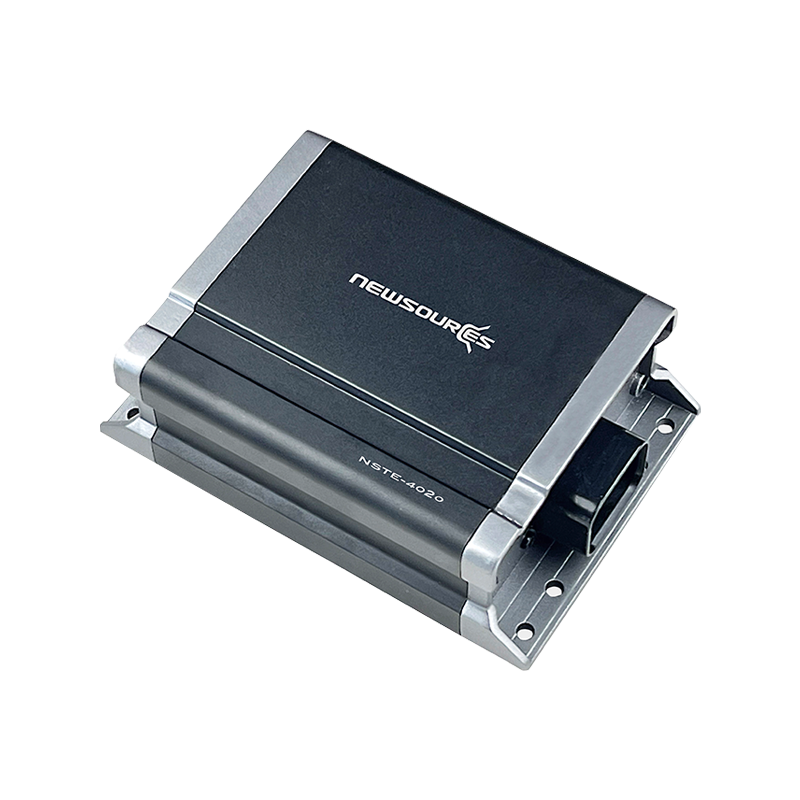
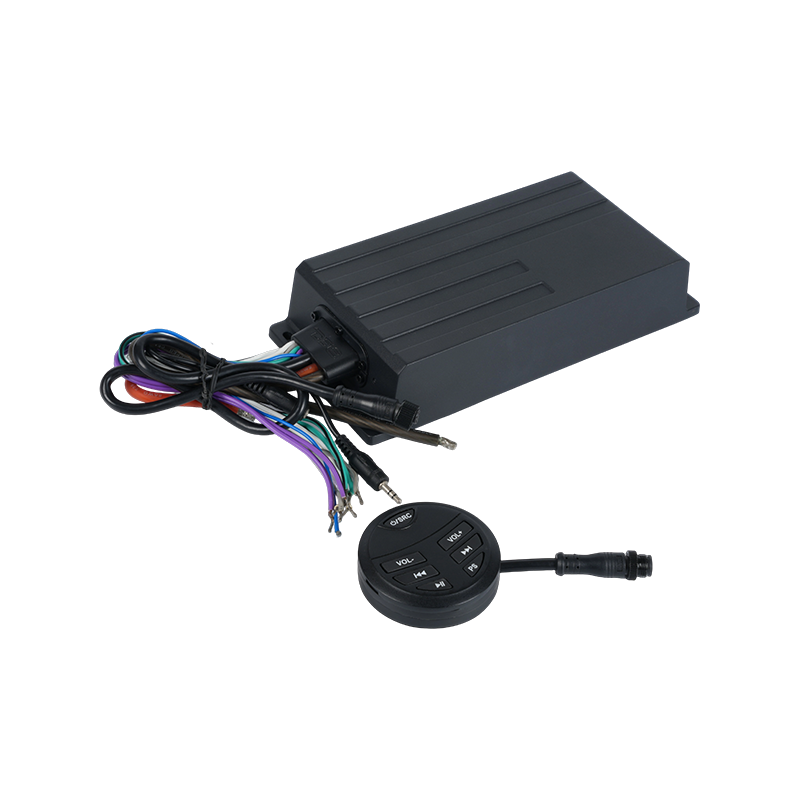
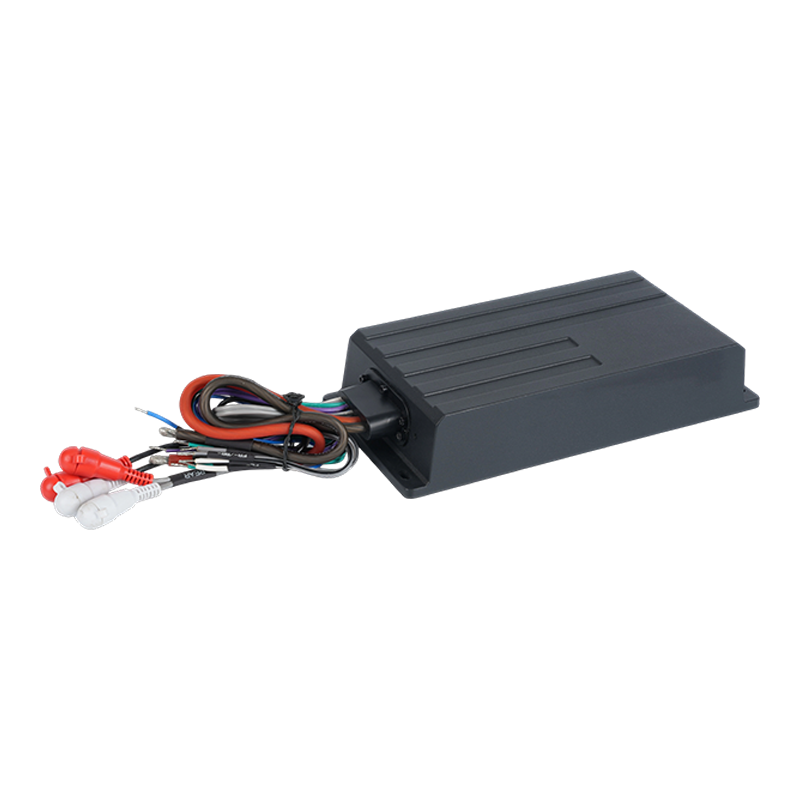
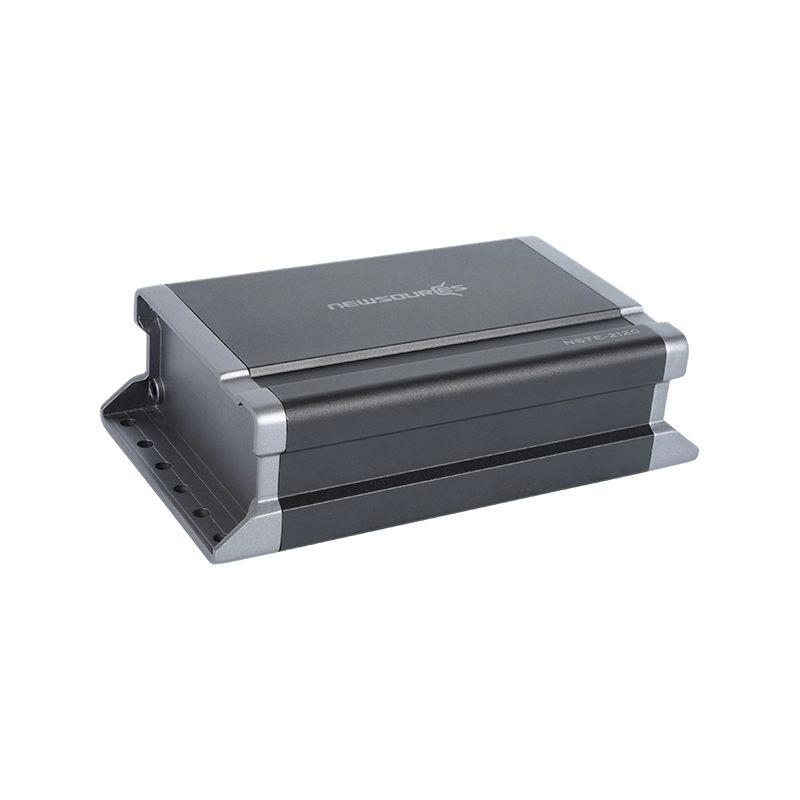
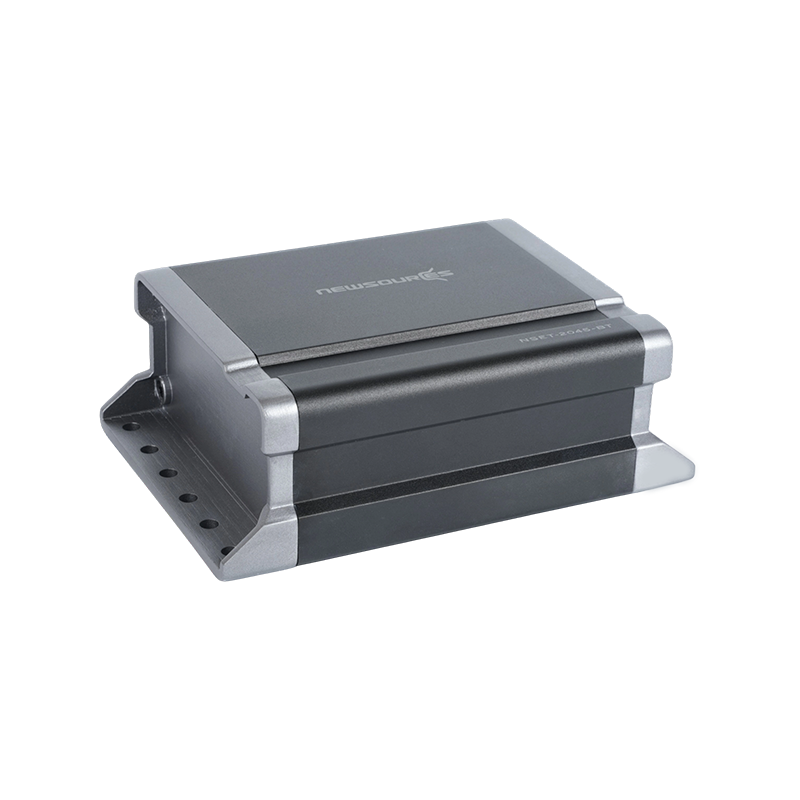
If you've ever wondered why some car audio systems sound incredibly powerful and clear while others sound thin and distorted at high volume, the answer almost always comes down to amplification. A car amplifier is one of the most impactful upgrades you can make to a vehicle's audio system, yet it remains one of the least understood components for everyday drivers. Whether you're building a competition sound system or simply want music that sounds as good in your car as it does through your home speakers, understanding what a car amplifier does — and how it does it — is the essential first step.
The Core Function of a Car Amplifier
At its most fundamental level, a car amplifier takes a low-power audio signal from your head unit (the radio or source unit) and increases its power output to a level capable of driving speakers loudly and cleanly. The head unit in most factory car audio systems produces between 14 and 22 watts RMS per channel — enough to make speakers produce sound, but not enough to drive them with real authority or dynamics. An external amplifier can deliver anywhere from 50 watts RMS per channel for a modest upgrade to several hundred or even thousands of watts for high-performance systems.
The signal path works like this: your audio source (phone, streaming service, CD, or radio) sends a digital or analog signal to the head unit, which processes and outputs a preamp-level signal — typically between 0.2 and 5 volts. This signal travels through RCA cables or speaker-level inputs to the amplifier, which raises both the voltage and current of that signal to a power level the speakers can convert into audible sound. The amplifier draws the additional electrical energy it needs from the vehicle's battery and charging system through dedicated power and ground cables, not from the thin wiring harness that powers the head unit.
Why Factory Car Audio Systems Fall Short
The amplifiers built into factory head units and OEM audio systems are designed with cost, space, and power consumption as primary constraints — not sound quality or output power. They use Class B or Class AB amplifier circuits operating at relatively low efficiency, running off the same limited wiring as the rest of the head unit's electronics. As you raise the volume, these internal amplifiers begin to run out of headroom — the reserve power needed to handle dynamic peaks in music — and begin to clip.
Clipping is what happens when an amplifier is asked to produce more power than it can deliver. Instead of a clean sine wave, the output signal flattens at its peaks, producing a squared-off waveform that sounds harsh and distorted. More seriously, clipped signals contain high levels of high-frequency harmonic distortion that can damage tweeters over time, even at moderate listening volumes. A dedicated external amplifier with adequate power for your speaker load eliminates clipping by providing genuine headroom, allowing the system to handle musical peaks without distortion.
Types of Car Amplifiers and What Each Does
Car amplifiers are categorized by the number of channels they provide and by their amplifier class. Each configuration serves different roles within a complete audio system.
Monoblock Amplifiers
A monoblock amplifier has a single output channel and is designed specifically to power a subwoofer. These amplifiers are optimized for low-frequency reproduction, typically incorporating a built-in low-pass crossover that filters out midrange and high-frequency content before it reaches the subwoofer. Monoblock amplifiers commonly operate in Class D, a switching amplifier topology that delivers very high power with excellent efficiency — making them practical for the high-current demands of subwoofer amplification without excessive heat generation.
Two-Channel Amplifiers
Two-channel amplifiers power a pair of speakers — typically the front left and right channels or a single subwoofer in bridged mono configuration. They are a versatile choice for entry-level system upgrades, providing clean power to a pair of component or coaxial speakers. Many audiophile-grade two-channel amplifiers operate in Class A or Class AB for the highest sound quality, accepting a slight efficiency penalty in exchange for lower distortion and a more linear frequency response.
Four-Channel Amplifiers
Four-channel amplifiers are the most commonly specified amplifier for full-system upgrades. They can simultaneously power front and rear speakers, or front component speakers while bridging two channels together to power a subwoofer. This flexibility makes a single four-channel amplifier capable of handling the entire speaker complement of a small to mid-size system, reducing installation complexity and cost compared to running separate amplifiers for each task.
Five-Channel Amplifiers
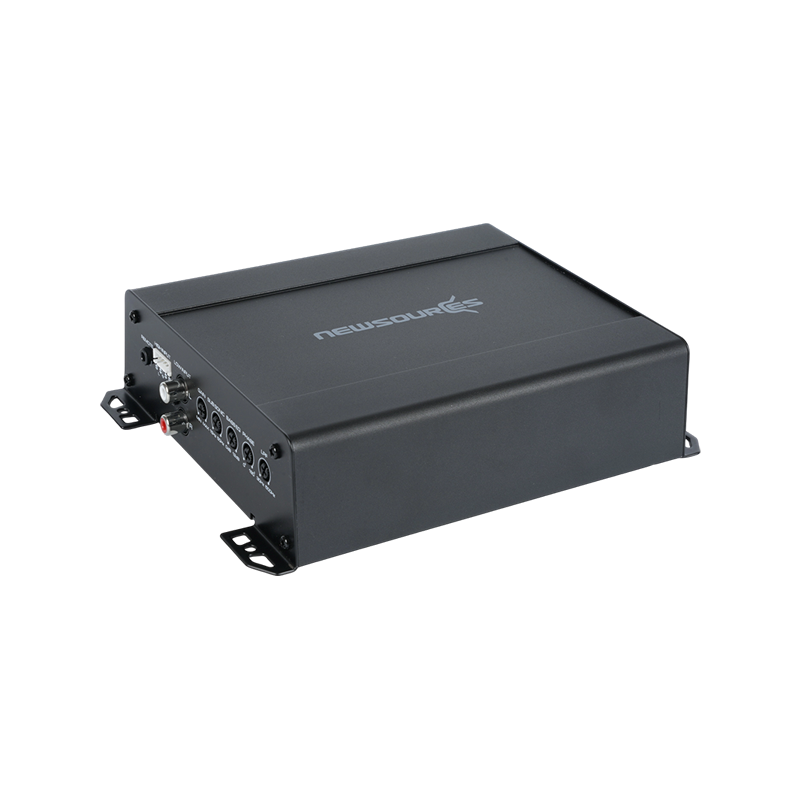
Five-channel amplifiers combine four full-range channels with a dedicated mono subwoofer channel in a single chassis. For installers and enthusiasts who want a complete system solution with one amplifier, one power cable, and one ground connection, the five-channel configuration offers real practical advantages. The subwoofer channel is typically a high-powered Class D section while the four full-range channels run in Class AB, matching the appropriate amplifier class to each application within the same unit.
Amplifier Classes Explained
The "class" of an amplifier describes how its output transistors operate and determines the efficiency, heat output, and sonic character of the design. The most relevant classes for car audio are summarized below:
| Class | Efficiency | Sound Quality | Best Used For |
| Class A | 15–35% | Excellent | Audiophile full-range channels |
| Class AB | 50–70% | Very Good | Full-range speakers, most installs |
| Class D | 75–90% | Good (excellent for bass) | Subwoofers, space-limited installs |
| Class H | 60–80% | Very Good | High-power full-range applications |
Built-In Processing Features That Shape Your Sound
Modern car amplifiers do considerably more than simply raise signal levels. Most include an array of built-in signal processing tools that allow you to tailor the frequency response and level of each output channel to suit your speaker configuration and listening preferences. Understanding these controls is important for getting the best performance from your amplifier after installation.
- Gain Control: Often misunderstood as a volume control, the gain adjustment matches the amplifier's input sensitivity to the output voltage of your head unit. Correct gain setting maximizes the signal-to-noise ratio and prevents clipping at both the head unit output and the amplifier input stages. Setting gain too high introduces noise and distortion; too low wastes available headroom.
- Low-Pass Filter (LPF): Removes high-frequency content above a selected crossover point, allowing only bass frequencies to pass to a subwoofer. Typical adjustable ranges are 50 Hz to 500 Hz, letting you tailor the crossover point to match your subwoofer's response and the main speakers' low-frequency capability.
- High-Pass Filter (HPF): Removes low-frequency content below a selected crossover point, protecting full-range speakers and tweeters from low bass that they cannot reproduce efficiently. Running speakers without a high-pass filter causes them to waste power handling bass frequencies, reducing their output in the midrange and high frequencies where they perform best.
- Bass Boost: A shelving or parametric EQ control that adds gain in the bass frequency range, typically centered around 40–80 Hz. While useful for adding impact to a subwoofer, bass boost should be used sparingly — it reduces available headroom and can cause clipping if applied aggressively, particularly at high listening volumes.
- Subsonic Filter: A high-pass filter set very low (typically 15–30 Hz) used with ported subwoofer enclosures to prevent the woofer from over-excurting on infrasonic frequencies that the enclosure cannot load properly. This protects the subwoofer's suspension and voice coil from mechanical damage at high power levels.
- Phase Switch or Continuous Phase Control: Adjusts the timing relationship between the subwoofer and main speakers to ensure they reinforce rather than cancel each other at the crossover frequency. Proper phase alignment is critical for smooth bass integration in the listening position.
Power Ratings: What RMS and Peak Power Actually Mean
One of the most confusing aspects of shopping for car amplifiers is interpreting power ratings. Marketing materials frequently emphasize peak power figures that can be three to four times higher than the amplifier's actual continuous output capability, and these numbers are meaningless for comparing real-world performance. The only figure that matters for system design is RMS power — the continuous, sustained output the amplifier can deliver without distortion or overheating.
RMS power should be specified at a defined load impedance (typically 4 ohms and 2 ohms) with a defined THD (total harmonic distortion) figure, usually 1% or less, and at a specified supply voltage representing normal vehicle operating conditions (13.8V or 14.4V). An amplifier rated at 100 watts RMS x 4 channels at 4 ohms, 14.4V, less than 1% THD is a meaningful, comparable specification. An amplifier claiming "1200 watts max" with no further qualification is providing no useful information about actual output capability.
When matching amplifier power to speakers, aim to provide clean power equal to or somewhat above the speaker's RMS power handling rating. A speaker rated at 75 watts RMS paired with a 100-watt RMS amplifier channel operated with proper gain structure will sound better and last longer than the same speaker driven by a 200-watt amplifier with gain set too high, which introduces clipping and the distortion products that damage voice coils.
Signs That Your Car Audio System Needs an Amplifier
Not every vehicle needs an aftermarket amplifier, but several common symptoms indicate that the existing amplification is a limiting factor in your listening experience:
- Sound becomes harsh or distorted as you approach the upper two-thirds of the volume range, even with the bass and treble controls set flat — a classic sign of an underpowered internal amplifier clipping.
- You've installed aftermarket speakers with higher sensitivity and power handling but they still don't sound significantly louder or cleaner at high volume, indicating the head unit's internal amp is the bottleneck.
- Bass lacks impact and definition, particularly at highway speeds, because factory amplifiers cannot deliver the sustained current draw required to control a woofer's cone movement at low frequencies.
- You want to add a subwoofer to your system — virtually all subwoofer installations require a dedicated external amplifier to deliver the power levels needed for impactful bass reproduction.
- The overall sound lacks dynamics and feels compressed — music sounds flat and uninvolving rather than open and detailed, particularly on orchestral, jazz, or live recordings with wide dynamic range.
Installation Considerations for Best Results
A car amplifier delivers its best performance only when installed correctly. The power wire from the battery to the amplifier must be sized to carry the amplifier's full current draw without excessive voltage drop — undersized power wiring is the single most common cause of an amplifier failing to reach its rated output in real-world installations. As a general rule, a 100-watt RMS amplifier requires a minimum of 8-gauge power wire, while amplifiers producing 500 watts or more require 4-gauge or larger wire for runs up to 15 feet.
The ground connection is equally critical and is even more commonly done incorrectly. The ground wire must connect the amplifier chassis directly to bare metal on the vehicle's body or chassis — not to a painted surface, not through a sheet metal screw into thin body panels, and not to a ground point shared with accessories that introduce electrical noise. A poor ground causes alternator whine (a high-pitched noise that rises and falls with engine RPM), increased noise floor, and in severe cases, instability that can damage the amplifier's output stage. Keeping the ground wire as short as possible, ideally under 18 inches, and using the same gauge as the power wire ensures a stable, noise-free ground reference for the amplifier's internal circuitry.