
 EN
EN
 English
 Español
 عربى
عربىContent
- 1 What Is a DSP Marine Amplifier?
- 2 Why DSP Makes a Critical Difference in Marine Audio
- 3 Core DSP Features Found in Quality Marine Amplifiers
- 4 Marine-Grade Build Quality: What Makes It Different
- 5 Power Output, Channel Configuration, and System Matching
- 6 Installation Tips for Optimal DSP Marine Amplifier Performance
- 7 Leading Brands and What to Compare When Buying
What Is a DSP Marine Amplifier?
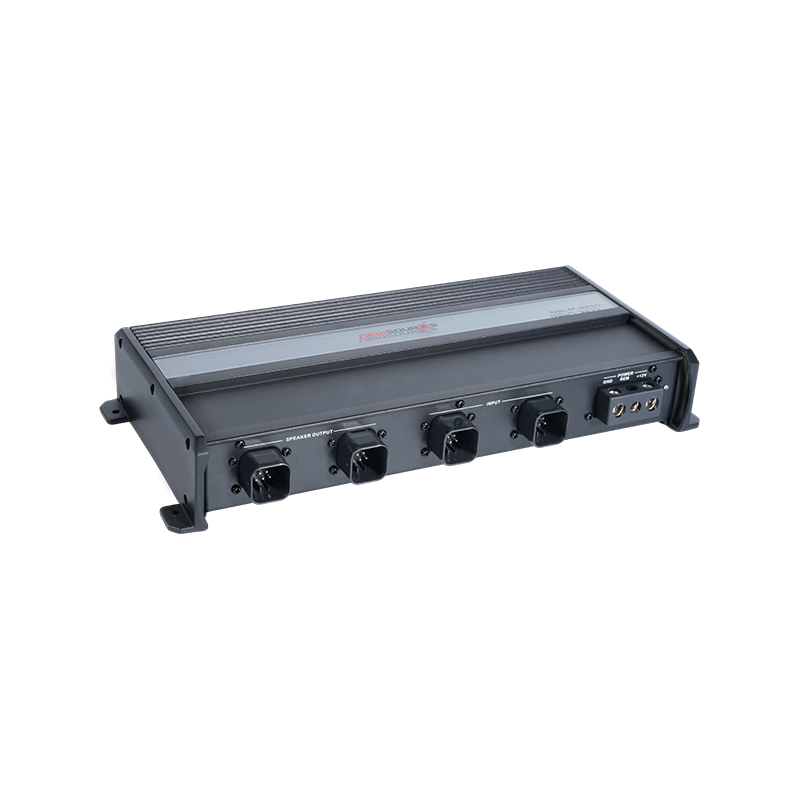
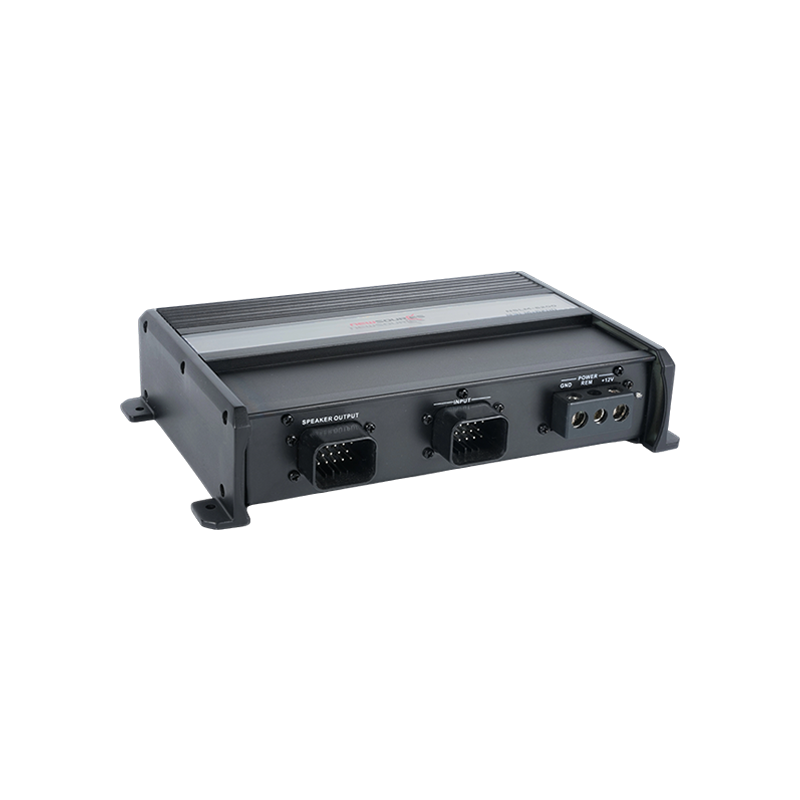
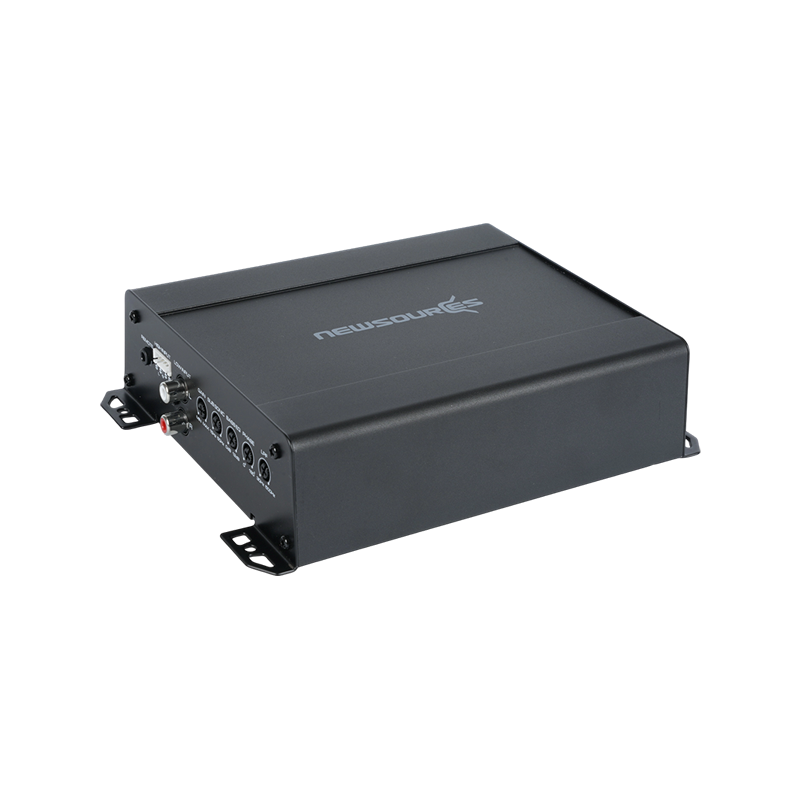
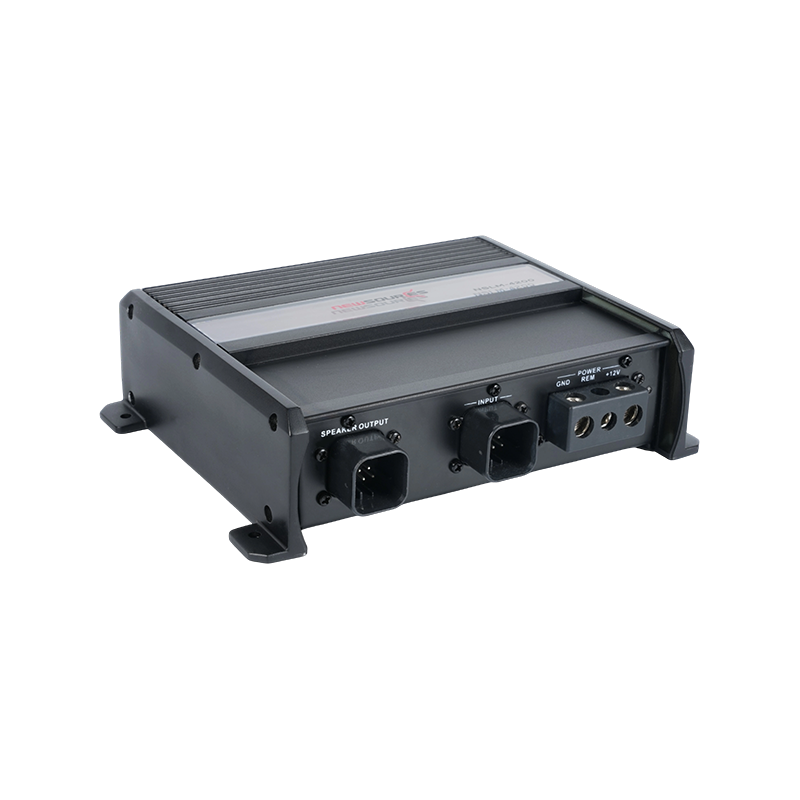
A DSP marine amplifier is a power amplifier specifically engineered for use on boats, yachts, and other watercraft, with the added integration of Digital Signal Processing (DSP) technology built directly into the unit. While a conventional marine amplifier simply boosts the audio signal from a source unit to drive speakers, a DSP marine amplifier goes several steps further by digitally analyzing, correcting, and shaping the audio signal before it reaches the speakers. This means the amplifier can apply parametric equalization, time alignment, crossover filtering, and dynamic range control — all within a single, marine-rated enclosure designed to withstand the harsh realities of the on-water environment including salt spray, UV radiation, humidity, and vibration.
The integration of DSP into the marine amplifier eliminates the need for a separate outboard signal processor, simplifying system installation and reducing the number of components exposed to the marine environment. For boat owners who demand high-fidelity audio performance without the complexity of a multi-component rack system, a DSP marine amplifier represents a highly practical and technically advanced solution that delivers audiophile-grade sound from a compact, weather-resistant package.
Why DSP Makes a Critical Difference in Marine Audio
Marine acoustic environments are among the most acoustically challenging spaces imaginable. Unlike a car interior or a home listening room, a boat's cockpit, helm area, or open deck offers virtually no acoustic boundaries to reflect or contain sound. Wind noise, engine noise, wave impact, and the absence of enclosed surfaces all work against audio clarity and volume. A standard amplifier — regardless of its power output — cannot compensate for these conditions at the signal level. DSP changes this entirely by providing the tools to actively correct for environmental limitations before the signal ever reaches a speaker cone.
With built-in DSP, the amplifier can apply high-pass and low-pass crossover filters with surgical precision, directing only the appropriate frequency ranges to each speaker or subwoofer. Time alignment corrects for the physical offset between speakers at different distances from the listener, ensuring that sound from all transducers arrives at the listening position simultaneously — a critical factor in achieving a coherent stereo image on an open deck. Parametric EQ allows specific frequency bands to be boosted or cut to compensate for speaker placement limitations, fibreglass reflections, or the acoustic shadow created by windshields and helm structures.
Core DSP Features Found in Quality Marine Amplifiers
Not all DSP marine amplifiers offer the same depth of signal processing capability. Understanding what specific DSP functions are available — and how they are accessed — is essential when comparing models. The most impactful features to look for include:
- Parametric Equalizer (PEQ): Allows independent control of frequency center point, bandwidth (Q factor), and gain for multiple bands per channel. A 5- to 13-band PEQ per channel gives the installer precise tools to compensate for speaker and environmental frequency response anomalies.
- Digital Crossovers: High-pass, low-pass, and bandpass filters with adjustable slope (12 dB/octave to 48 dB/octave) and adjustable crossover points allow precise frequency division between tweeters, midrange drivers, and subwoofers without passive crossover networks that waste power and introduce phase shift.
- Time Alignment (TA): Introduces digital delay to individual channels in milliseconds or centimeter/inch increments, compensating for the physical distance difference between speakers and the listening position to create a coherent, centered soundstage.
- Signal Summing and Input Flexibility: Many DSP marine amplifiers accept multiple input formats — RCA, optical, Bluetooth, and sometimes AES/EBU digital inputs — and can sum or route signals across channels to accommodate complex system topologies including zone-based audio for different areas of the boat.
- Bass Enhancement and Loudness Compensation: Algorithms that boost low-frequency output at lower volume levels or simulate bass reinforcement, compensating for the masking effect of engine noise and wind at cruising speeds.
- PC or App-Based Tuning Software: Premium DSP marine amplifiers offer dedicated software — accessed via USB, Ethernet, or wireless connection — that provides a real-time graphical interface for all DSP adjustments. This allows installers to dial in the system with measurement tools and save multiple tuning presets for different listening scenarios.
Marine-Grade Build Quality: What Makes It Different
The DSP electronics inside a marine amplifier are only as reliable as the enclosure and component quality protecting them. Marine amplifiers must meet a higher standard of environmental protection than automotive or home audio amplifiers, and the differences are significant in practice rather than merely in specification sheets.
Conformal Coating and Corrosion Resistance
All printed circuit boards inside a quality DSP marine amplifier should be coated with a conformal coating — a moisture-resistant polymer layer applied over the solder joints, traces, and components to prevent corrosion caused by salt air and condensation. Without this coating, salt deposits on PCB traces create conductive paths that cause short circuits, signal degradation, and eventual failure. The amplifier's internal connectors, terminals, and hardware should also be made from stainless steel, tinned copper, or gold-plated materials rather than bare brass or iron that will oxidize rapidly in a marine environment.
UV-Stabilized and Sealed Enclosures
Enclosure materials must resist UV degradation, which causes plastics to become brittle and crack after prolonged sun exposure. Many DSP marine amplifiers feature aluminum alloy heat sinks and chassis that resist UV damage and provide efficient thermal management for the DSP processing chips and power transistors. While fully waterproof (IP67 or IP68) ratings are available on some models intended for completely exposed mounting locations, most DSP marine amplifiers are rated IPX5 or IPX6, meaning they can withstand water jets from any direction — appropriate for helm or cabin mounting locations that receive spray but not full submersion.
Power Output, Channel Configuration, and System Matching
DSP marine amplifiers are available in a wide range of channel configurations and power outputs to suit everything from a simple two-zone cockpit system to a multi-zone, full-boat entertainment installation with dedicated subwoofers. The table below summarizes common configurations and their typical applications:
| Channel Config | Typical Power (RMS) | Best Application |
| 4-Channel | 50–150W × 4 | Small to mid-size boats, 2-zone speaker systems |
| 5-Channel | 75–125W × 4 + 300–500W × 1 | Speakers + subwoofer from a single unit |
| 6-Channel | 75–150W × 6 | 3-zone systems, active 3-way speaker setups |
| 8-Channel | 100–200W × 8 | Large yachts, full active system with multiple zones |
| Monoblock | 500–2000W × 1 | Dedicated subwoofer amplification with DSP bass control |
When matching amplifier power to speakers, the RMS power handling of each speaker should be the primary reference point — not peak power ratings, which are marketing figures rather than continuous operating specifications. A DSP marine amplifier running at 75% of its rated output into properly matched speakers will deliver cleaner, more reliable audio than an undersized amplifier driven to clipping, which is the primary cause of speaker damage in marine audio systems.
Installation Tips for Optimal DSP Marine Amplifier Performance
Even the most capable DSP marine amplifier will underperform if it is poorly installed. Physical placement, wiring quality, and initial DSP configuration all have a direct impact on the audio results and the long-term reliability of the system.
- Location and Ventilation: Mount the amplifier in a location with adequate airflow to dissipate heat from the heat sink. Enclosing the amplifier in a sealed compartment without ventilation is the most common cause of thermal shutdown and premature failure. Ensure the mounting surface is flat and structurally sound to prevent vibration-induced connector fatigue.
- Power Wiring and Grounding: Use marine-grade tinned copper power cable of the correct gauge for the amplifier's current draw. A poor ground connection — the single most common wiring error in marine audio installations — introduces alternator whine, increases noise floor, and can cause voltage irregularities that affect DSP performance. Ground the amplifier directly to the boat's battery negative terminal or a dedicated ground bus bar.
- Signal Cable Routing: Route RCA or digital signal cables away from power cables and ignition wiring to avoid induced electrical interference. Even shielded cables can pick up noise if run parallel to AC or high-current DC wiring over long distances.
- DSP Calibration with Measurement Tools: Use a real-time analyzer (RTA) or measurement microphone in conjunction with the amplifier's tuning software to objectively measure the system's frequency response before making EQ corrections. Tuning by ear alone on a moving boat in variable conditions is unreliable. A measurement-based approach ensures the DSP corrections are accurate and repeatable.
- Save Multiple Presets: Many DSP marine amplifiers allow multiple tuning presets to be stored and recalled. Configure one preset for quiet cruising at low speed, one for high-speed running with elevated wind and engine noise, and one for anchored listening. Switching between presets allows the system to perform optimally across all operating conditions without manual EQ adjustment.
Leading Brands and What to Compare When Buying
Several manufacturers have established strong reputations in the DSP marine amplifier category, each with distinct strengths in terms of DSP depth, power output, connectivity, and build quality. Brands such as JL Audio, Wet Sounds, Rockford Fosgate, Hertz, and Clarion all offer DSP-integrated marine amplifiers ranging from entry-level to professional installation grade. When evaluating options, the following comparison points should guide the decision:
- DSP Processing Depth: Compare the number of EQ bands per channel, available filter slopes, time alignment resolution, and whether the tuning software is included free or sold separately.
- Input Options: Verify whether the amplifier accepts the signal formats your source unit outputs. If your head unit outputs a digital optical signal, confirm the amplifier has a compatible digital input to take full advantage of noise-free digital signal transmission.
- Warranty and Support: Marine amplifiers face tough conditions, so a manufacturer's warranty of at least two years — with clear coverage for corrosion and water ingress within the rated IP specification — is an important indicator of product confidence and long-term value.
- Efficiency Rating (Class D vs. Class AB): Class D amplifiers convert more of the drawn current into audio output rather than heat, making them significantly more efficient — typically 80–90% vs. 50–65% for Class AB. On a boat where battery capacity is finite, higher amplifier efficiency directly translates to longer listening time between charges, making Class D the preferred topology for most modern DSP marine amplifier designs.