
 EN
EN
 English
 Español
 عربى
عربىContent
- 1 Introduction: Why the Difference Matters
- 2 Form Factor and Mounting Constraints
- 3 Environmental Protection: Water, Dust, and Temperature
- 4 Electrical Design: Power, Efficiency, and Battery Impact
- 5 Connectivity and Feature Sets
- 6 Acoustic Performance: Sound Quality, Damping, and Speaker Control
- 7 Installation Practices: Wiring, Grounding, and Safety
- 8 Reliability and Maintenance Considerations
- 9 Comparison Table: Key Differences at a Glance
- 10 Practical Advice: Choosing the Right Amp for Your Bike or Car
- 11 Conclusion: Different Tools for Different Rides
Introduction: Why the Difference Matters
Riding music on a motorcycle is a very different experience from listening inside a car. Because of that difference, motorcycle amplifiers and car amplifiers are engineered with distinct priorities. Motorcycle amps balance waterproofing, compactness, and thermal efficiency with limited power budgets, while car amps focus on sustained power, advanced features, and broad connectivity. This article lays out the technical and practical differences, explains why they matter for performance and longevity, and gives concrete guidance on selecting, installing, and tuning an amplifier for a motorcycle versus an automobile.
Form Factor and Mounting Constraints
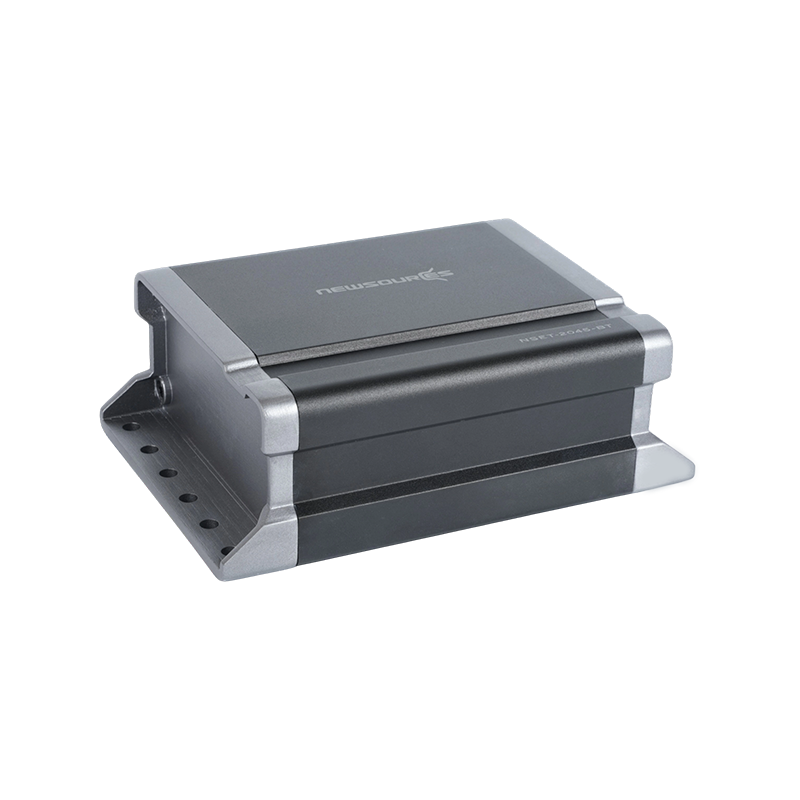
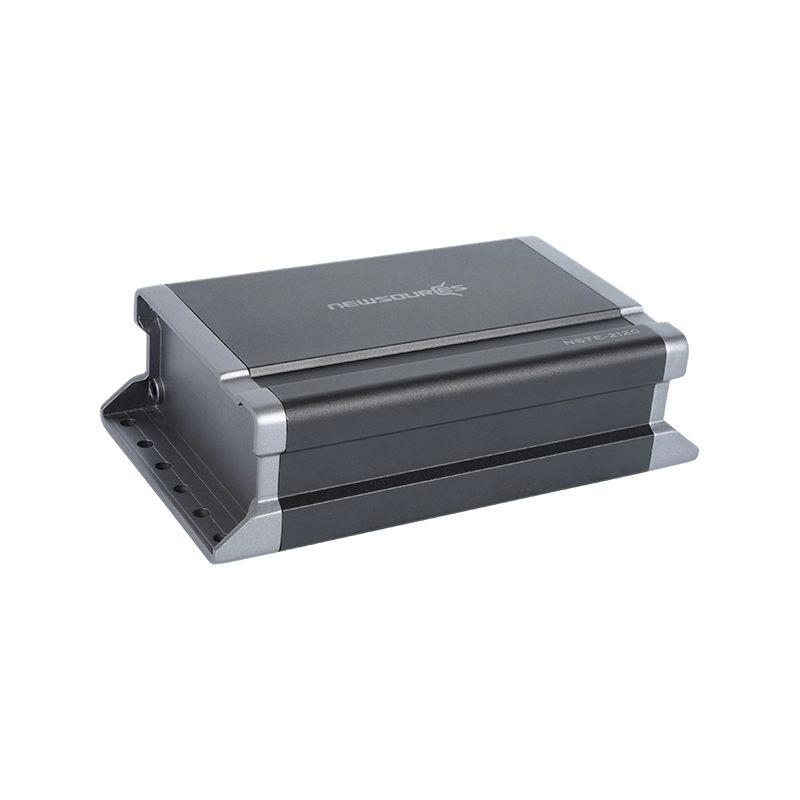
Space is the first visible distinction. Cars usually offer generous installation room in trunks, under seats, or behind panels; amplifiers can be larger with substantial heat sinks and bulky terminal blocks. Motorcycles, by contrast, have extremely limited and exposed mounting options — under the seat, inside saddlebags, or tucked into fairing cavities. Motorcycle amplifiers must therefore be compact, lightweight, and designed for unconventional mounting orientations.
Vibration and Shock Hardening
Motorcycle amplifiers are typically built with stronger mechanical supports, vibration-damped mounts, and secured connectors. Designers use potting compounds, resin-bonded components, or shock-absorbing feet to prevent solder joint failures. Car amplifiers are less likely to need such extreme measures because vehicles provide more isolation from road-induced vibration.
Environmental Protection: Water, Dust, and Temperature
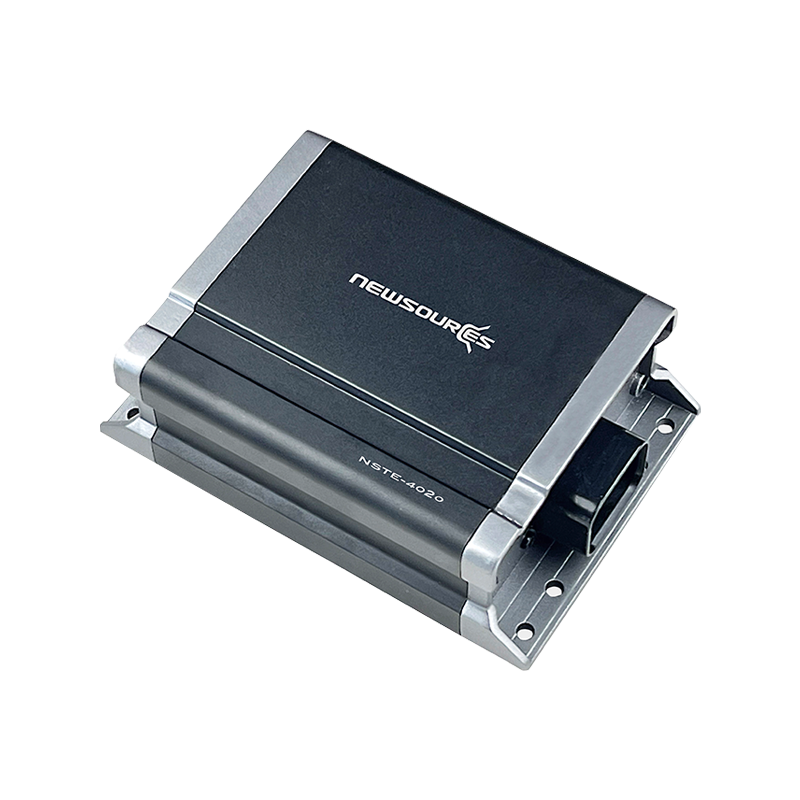
Motorcycles are directly exposed to rain, road spray, and wind-driven debris; marine-level ingress protection is sometimes required. Many motorcycle amps offer IP-rated enclosures, sealed connectors, and conformally coated PCBs. Car amplifiers generally assume a drier environment and rely on vehicle bodywork for protection, so they rarely include high-level waterproofing as standard.
Thermal Design Differences
Because motorcycle amps are compact and often enclosed in tight spaces with limited airflow, manufacturers emphasize thermal efficiency — Class D designs, elevated thermal cutouts, and thermostatic control. Car amps can use larger passive heat sinks or even active fans if mounted where airflow is available, enabling higher continuous output without thermal throttling.
Electrical Design: Power, Efficiency, and Battery Impact
Motorcycle electrical systems differ greatly from car systems: typical motorcycle batteries are smaller (often 12V, lower amp-hour), charging systems produce limited current, and electrical loads must be carefully budgeted. Motorcycle amps are designed to be power-efficient and to minimize parasitic draws when the engine is off. Car amplifiers assume larger batteries and alternators and can therefore deliver higher sustained power.
Power Ratings and Real-World Output
While manufacturers publish RMS and peak ratings, expect motorcycle amps to prioritize realistic RMS that the bike's alternator can support. Installing a high-power car amp on a motorcycle without upgrading charging and battery systems often leads to dimming lights, blown fuses, or a drained battery.
Connectivity and Feature Sets
Car amplifiers frequently include elaborate crossovers, multi-channel bridging options, input trim networks, and remote level controls. Motorcycle amplifiers tend to provide essential controls — gain, high/low pass filters, and sometimes a compact remote — but they usually omit large DSP suites or multi-band EQs due to space and cost trade-offs. Many motorcycle audio systems rely on head units or Bluetooth controllers for fine-tuning and rely on the amp for clean amplification.
Input and Output Options
Expect motorcycle amps to support both line-level (RCA) and speaker-level inputs with robust, sealed connectors. Car amps might include multiple RCA inputs, preamp outputs, and remote turn-on circuits optimized for automotive head units.
Acoustic Performance: Sound Quality, Damping, and Speaker Control
Sound goals influence design choices. Car amplifiers can deliver higher damping factors and cleaner low-frequency control due to larger power supplies and more generous output stages. Motorcycle amplifiers must maximize perceived loudness and clarity in noisy, open-air environments; that often means higher sensitivity speaker pairings and frequency tuning that compensates for wind and road noise rather than raw low-end authority.
Matching Speakers to Amplifiers
For motorcycles, choose speakers with efficiency and VOICE coil specs compatible with the amp's output and the bike's electrical capacity. For cars, speakers can be lower-efficiency and rely on the amp’s higher sustained power to achieve SPL targets.
Installation Practices: Wiring, Grounding, and Safety
Wiring on motorcycles must be compact, flexible, and routed to avoid chafing and heat. Tinned-copper, marine-grade wires are common, and fused power lines should be close to the battery. Car installations use heavier gauge wires and larger fuse blocks. Grounding a motorcycle amp requires careful attention: poor ground can create noise and electrical instability, and the consequences of a short on a small motorcycle battery are more severe.
- Always fuse the positive feed within a few inches of the battery to protect thin vehicle wiring.
- Use vibration-resistant terminals and secure mounts to prevent connector loosening over time.
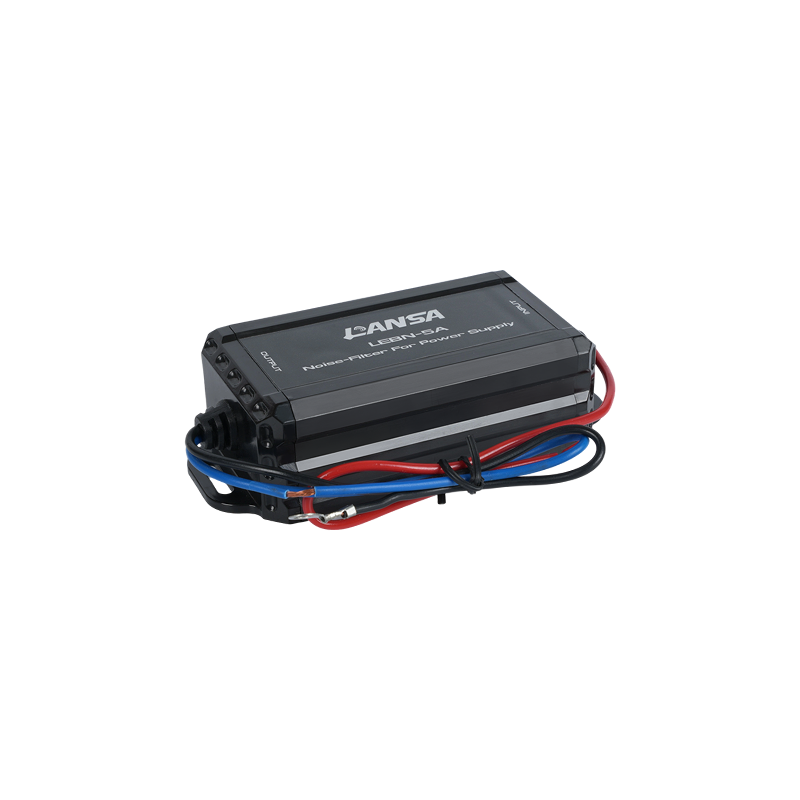
- Route signal cables away from ignition coils and alternator wiring to minimize RF interference and alternator whine.
Reliability and Maintenance Considerations
Motorcycle amplifiers often face harsher maintenance environments: exposure to salt, rain, and grime. Consequently, routine inspection, waterproofing checks, and connector care are essential. Car amplifiers are typically easier to service due to accessible mounting locations and less aggressive environmental exposure.
Common Failure Modes
On motorcycles, the most common failures come from vibration-induced solder cracks, water ingress into connectors, and electrical overloads caused by undersized wiring or weak charging systems. In cars, overheating due to blocked ventilation, blown MOSFETs from speaker shorts, and poor grounding are typical issues.
Comparison Table: Key Differences at a Glance
| Characteristic | Motorcycle Amplifier | Car Amplifier |
| Size & Weight | Compact, lightweight | Larger, heavier |
| Ingress Protection | High (sealed, IP-rated) | Low (relies on vehicle enclosure) |
| Thermal Handling | Optimized for low airflow | Better passive cooling available |
| Electrical Demand | Low to moderate, efficient | Higher sustained power possible |
Practical Advice: Choosing the Right Amp for Your Bike or Car
If you ride a motorcycle and want reliable sound, prioritize IP-rated, vibration-hardened amplifiers that match your bike’s electrical capacity. For cars, select amplifiers that provide the RMS headroom your speakers require and place a higher weight on features like multi-channel DSP, advanced crossovers, and serviceability. In both cases, proper wiring, correct fusing, and realistic gain staging will ensure performance and longevity.
Conclusion: Different Tools for Different Rides
Motorcycle and car amplifiers solve the same problem — cleanly increasing audio power — but they do so under very different constraints. Understanding the trade-offs in size, environmental protection, electrical demand, and acoustic goals helps you choose the right amp for the job. Choose based on environment and system goals, not on sticker power ratings alone, and you'll enjoy better, longer-lasting sound whether you're cruising the freeway or carving mountain roads.