
 EN
EN
 English
 Español
 عربى
عربىContent
Introduction to DSP Marine Amplifiers
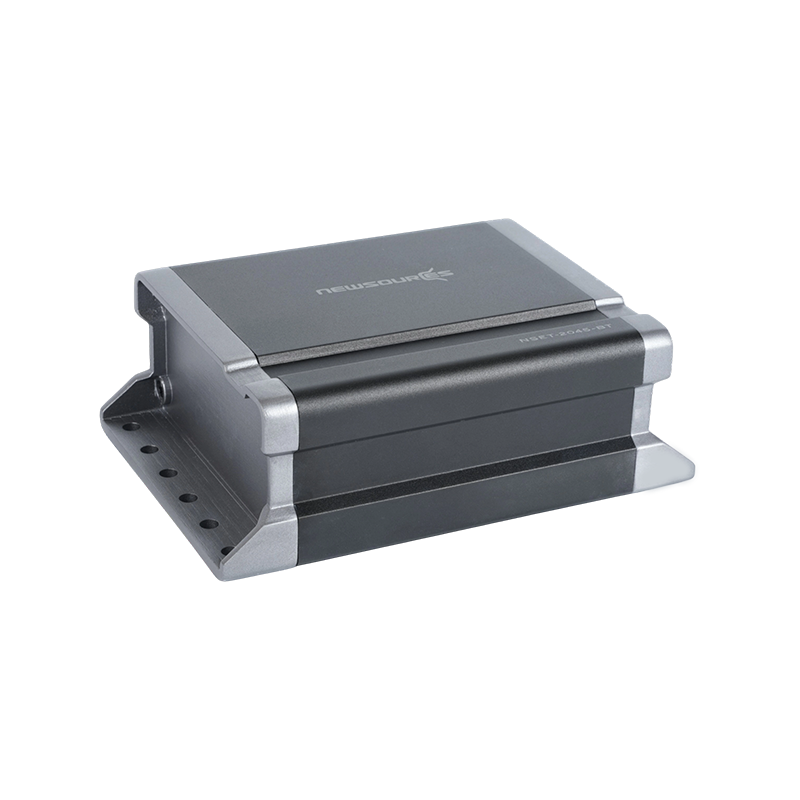
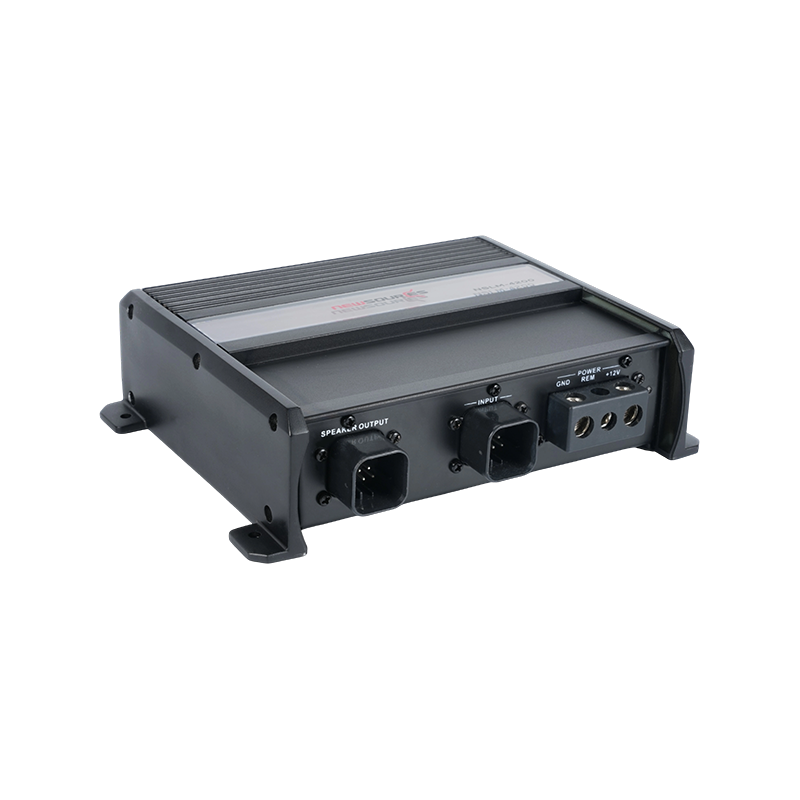
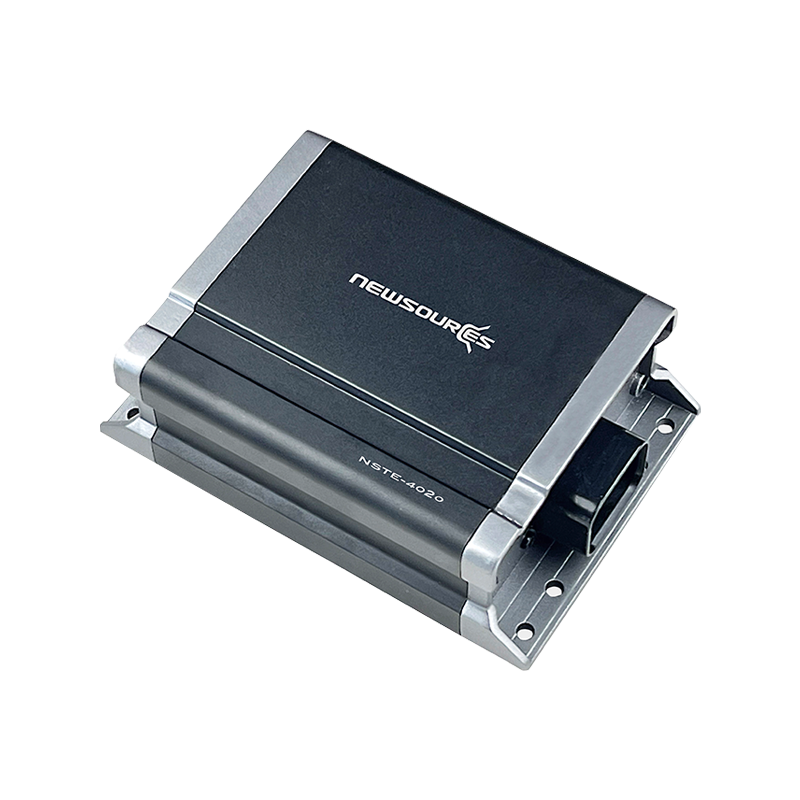
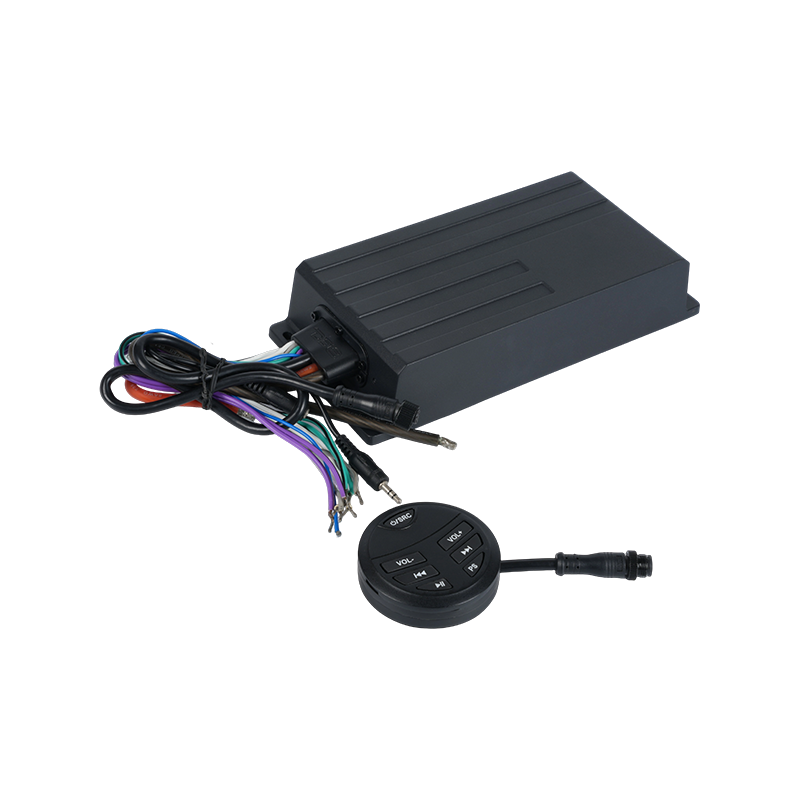
A DSP marine amplifier is a crucial component for enhancing audio quality on boats, combining the power of a traditional amplifier with a digital signal processor (DSP) for precise sound control. Unlike standard amplifiers, marine DSP amps are engineered to withstand harsh marine environments, including exposure to moisture, salt, and vibration.
This guide provides a detailed overview of how to choose the right DSP marine amplifier for your boat audio system, helping boat owners achieve optimal sound performance while ensuring durability and reliability.
Understanding the Role of DSP in Marine Amplifiers
Digital Signal Processing (DSP) allows for precise audio tuning, optimizing the performance of your boat's sound system. It processes the audio signal digitally before amplification, ensuring clarity and balance across all frequencies.
Audio Customization
- DSP allows boat owners to adjust equalization, time alignment, and crossover settings for each speaker.
- This results in a more immersive and balanced listening experience, even in noisy marine environments.
Signal Correction
- DSP compensates for speaker placement, hull resonance, and acoustic challenges unique to boats.
- It ensures consistent sound quality throughout the cabin and deck areas.
Key Features to Consider When Choosing a DSP Marine Amplifier
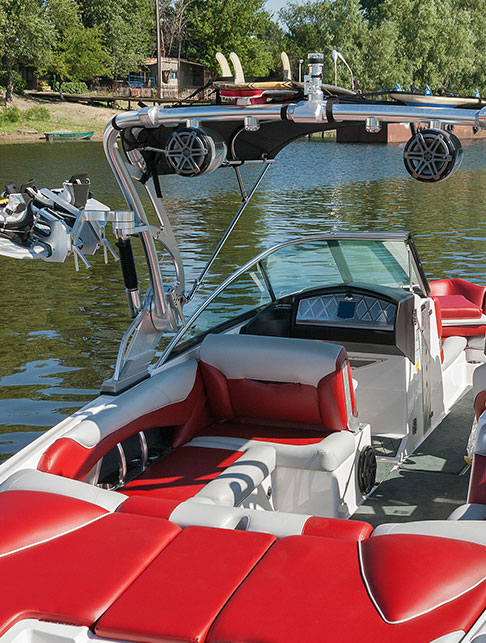
Selecting the right amplifier involves evaluating several technical and practical features. Focus on power ratings, connectivity, marine-grade construction, and DSP capabilities.
Power Output and Channel Configuration
- Determine the total wattage required based on your speaker setup and boat size.
- Choose an amplifier with multiple channels if you have a complex speaker arrangement.
Marine-Grade Durability
- Look for corrosion-resistant materials and waterproof enclosures.
- Ensure the amplifier is rated for exposure to saltwater, humidity, and vibration.
DSP Features and Connectivity
- Advanced DSP features like parametric EQ, time alignment, and crossover flexibility enhance sound precision.
- Connectivity options such as Bluetooth or USB integration allow for easy updates and signal control.
Ease of Installation
- Compact size and mounting flexibility are important for fitting the amplifier in tight marine spaces.
- Check if the amplifier comes with detailed wiring diagrams and installation accessories.
Comparing DSP Marine Amplifiers to Standard Marine Amplifiers
While standard marine amplifiers provide reliable power, DSP marine amplifiers offer superior control and tuning options. Understanding these differences helps make an informed decision.
| Feature | DSP Marine Amplifier | Standard Marine Amplifier |
| Audio Control | Advanced DSP, EQ, crossover, time alignment | Limited EQ and basic gain control |
| Adaptability | Compensates for speaker placement and hull acoustics | Fixed output, less adaptable to environment |
| Installation Complexity | Moderate; may require software tuning | Simple wiring, less tuning required |
| Durability | Marine-grade, saltwater resistant | Marine-rated but less feature-rich |
Tips for Selecting the Best DSP Marine Amplifier
- Assess your boat's audio needs, including speaker configuration and desired sound quality.
- Choose an amplifier with sufficient power headroom to avoid distortion at high volumes.
- Verify marine certifications and environmental protections for long-lasting performance.
- Consider future expandability, such as adding subwoofers or additional zones.
- Look for user-friendly DSP interfaces or software for easy tuning and adjustment.
Conclusion
Choosing the right DSP marine amplifier is essential for achieving high-quality audio on your boat. Focus on power output, DSP capabilities, marine-grade durability, and ease of installation. By carefully evaluating these factors, boat owners can enhance their listening experience while ensuring reliable, long-term performance in demanding marine environments.