
 EN
EN
 English
 Español
 عربى
عربىContent
Understanding Marine Audio System Requirements
Installing a marine audio sound system on a boat requires more than just choosing speakers and a head unit. Unlike automotive systems, marine environments expose equipment to moisture, salt, UV radiation, and vibration. This means every component must be specifically designed for marine use to ensure durability and consistent performance over time.
A complete marine audio system typically includes a marine head unit, waterproof speakers, amplifiers, wiring harnesses, and optional subwoofers. Each component should be rated for marine conditions to avoid corrosion and electrical failure.
Choosing the Right Marine Audio Components
Selecting the right equipment is the foundation of a reliable installation. Marine head units are designed with sealed fronts and UV-resistant materials. Speakers should have polypropylene cones and rubber surrounds to withstand water exposure.
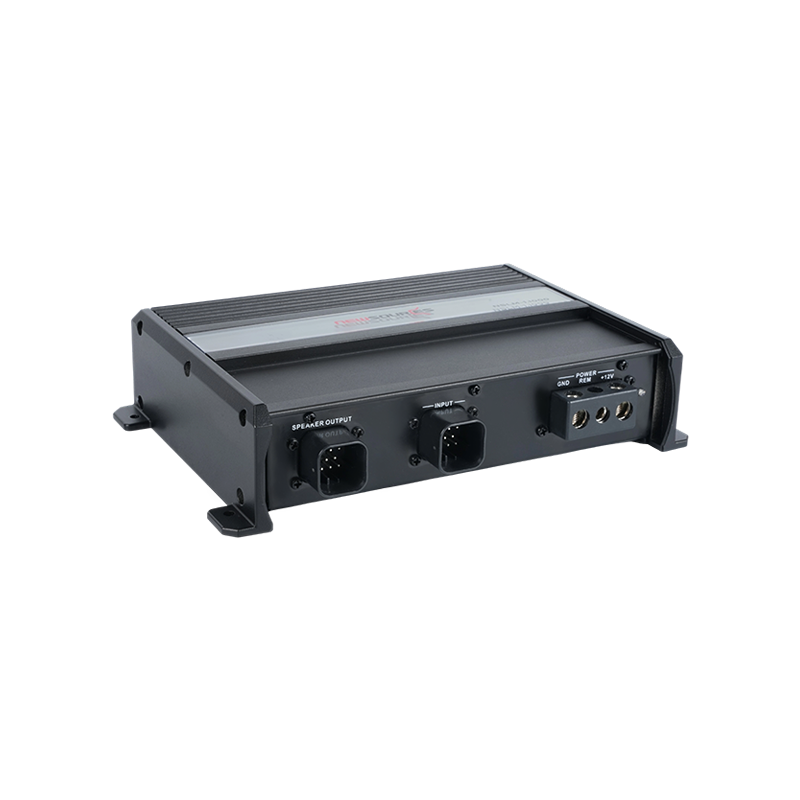
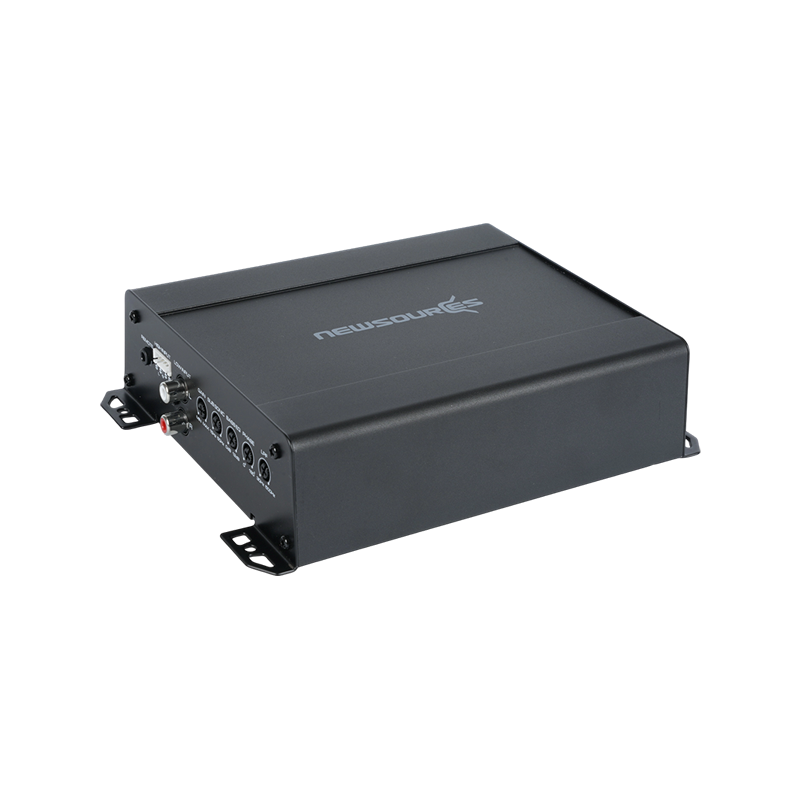
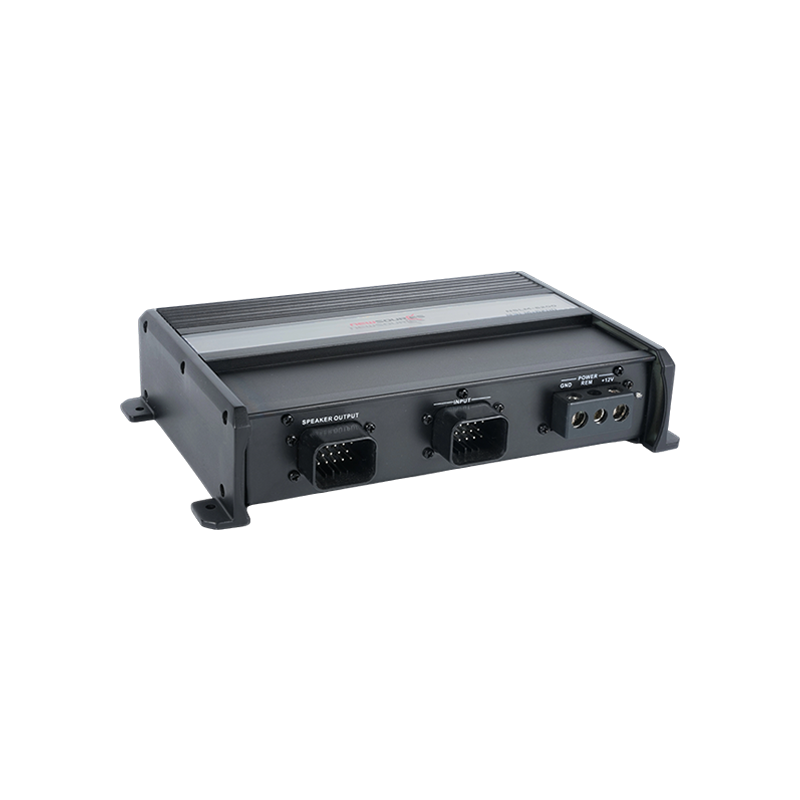
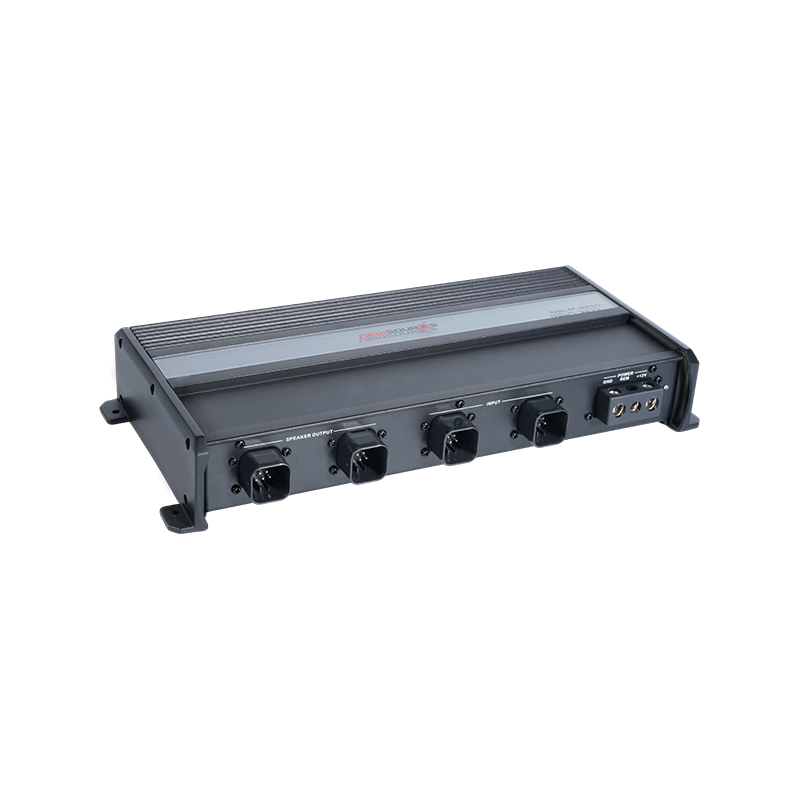
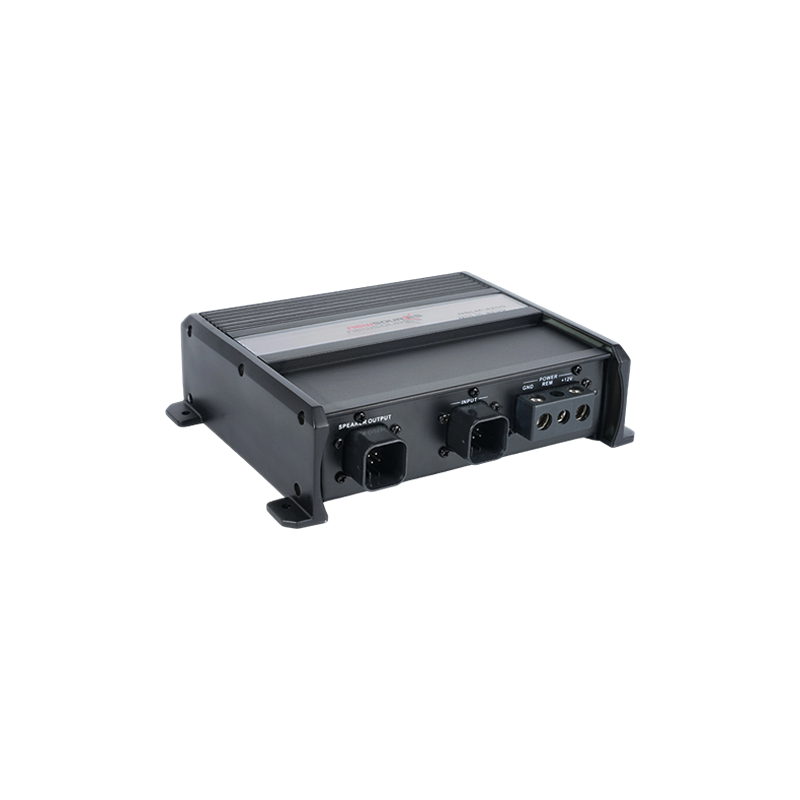
Amplifiers must be marine-rated and ideally installed in a dry, ventilated compartment. Wiring should be tinned copper to resist corrosion. Using non-marine components significantly reduces system lifespan and sound quality.
- Marine head unit with Bluetooth and waterproof front panel
- Coaxial or component marine speakers
- Marine-grade amplifier with sealed casing
- Tinned copper wiring and waterproof connectors
Planning Speaker Placement on Your Boat
Proper speaker placement is essential for balanced sound distribution. Boats present unique acoustic challenges due to open spaces, wind noise, and reflective surfaces. Speakers should be installed at ear level where possible and evenly distributed across seating areas.
Common installation points include the helm area, cockpit, and rear seating zones. For larger boats, adding a subwoofer below deck can enhance low-frequency performance without cluttering visible space.
Wiring and Power Supply Installation
Wiring a marine audio system must be done carefully to prevent electrical hazards and signal interference. All wiring should be routed away from fuel lines and sharp edges, and secured using marine-grade clamps.
The power supply is typically connected directly to the boat’s battery system. A fuse should be installed within 18 inches of the battery to protect against short circuits. Ground connections must be clean, corrosion-free, and tightly secured.
Key Wiring Safety Tips
- Use marine-rated, tinned copper wires only
- Seal all connections with heat shrink tubing
- Avoid running wires near high-heat engine components
- Install inline fuses for each major component
Mounting and Waterproofing the System
All marine audio components must be securely mounted to withstand vibration and wave impact. Stainless steel screws and corrosion-resistant brackets are essential for long-term durability.
Waterproofing is equally important. Use silicone sealant around speaker cutouts and mounting holes to prevent water intrusion. Head units should be installed in protected dashboard areas with proper drainage.
Testing and System Optimization
Once installation is complete, the system should be thoroughly tested before full use. Start by checking each speaker for clarity and balance. Adjust fade and balance settings to ensure even sound distribution across the boat.
Fine-tune bass and treble levels based on open-water conditions, as wind and engine noise can affect perceived sound quality. Periodic inspection of wiring and seals is recommended to maintain long-term performance.
| Component | Recommendation |
| Speakers | Marine-grade polypropylene cone |
| Wiring | Tinned copper, waterproof sealed |
| Amplifier | Marine-certified, moisture resistant |
| Head Unit | UV-resistant, waterproof front panel |
Final Thoughts on Marine Audio Installation
A properly installed marine audio system significantly enhances the boating experience by delivering high-quality sound in challenging environments. Attention to material selection, waterproofing, and wiring safety ensures long-term reliability and performance.
With careful planning and the right marine-grade components, even complex installations can be completed efficiently, resulting in a system that performs well in all weather conditions and at sea.