
 EN
EN
 English
 Español
 عربى
عربىContent
Understanding the Role of a Motorcycle Amplifier
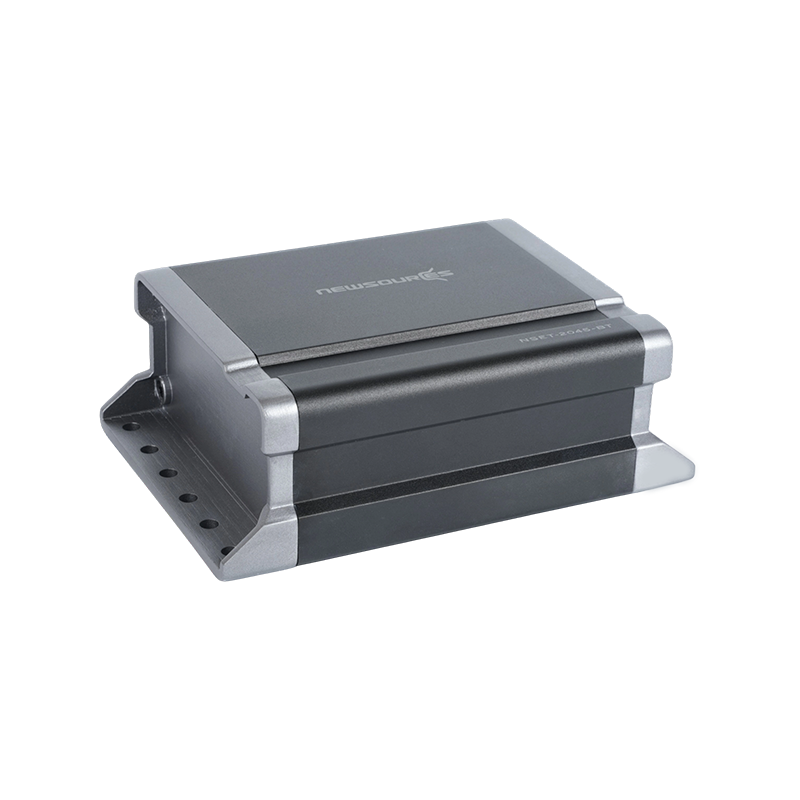
A motorcycle amplifier is a compact audio component designed to boost the signal from a stereo head unit, phone, or Bluetooth receiver so that it can drive speakers effectively despite the harsh conditions of riding. Unlike car audio systems, motorcycle setups face constant wind noise, engine vibration, road hum, and exposure to weather, all of which make clean, powerful amplification far more important than it would be in a quieter, enclosed vehicle. Without a dedicated amplifier, most factory or aftermarket motorcycle speakers struggle to produce audible, distortion-free sound once the bike reaches highway speeds.
Choosing the right amplifier involves more than picking the loudest option available. Riders need to consider power handling, weatherproofing, mounting space, and compatibility with existing speakers or helmet audio systems. This article breaks down the practical considerations that go into selecting, installing, and maintaining a motorcycle amplifier so that the final setup performs reliably in real riding conditions.
Key Specifications to Evaluate Before Buying
Motorcycle amplifiers are typically rated using a handful of core specifications that determine how well they will perform with a given speaker setup. Paying attention to these numbers prevents the common mistake of underpowering speakers, which leads to distortion, or overpowering them, which risks speaker damage.
RMS Power Rating
RMS (Root Mean Square) power indicates the continuous power output an amplifier can sustain without overheating or distorting. This number matters far more than peak power, which only reflects a brief burst the amplifier can handle. Matching the amplifier's RMS rating closely to the speaker's RMS rating produces the cleanest sound at higher volumes.
Channel Configuration
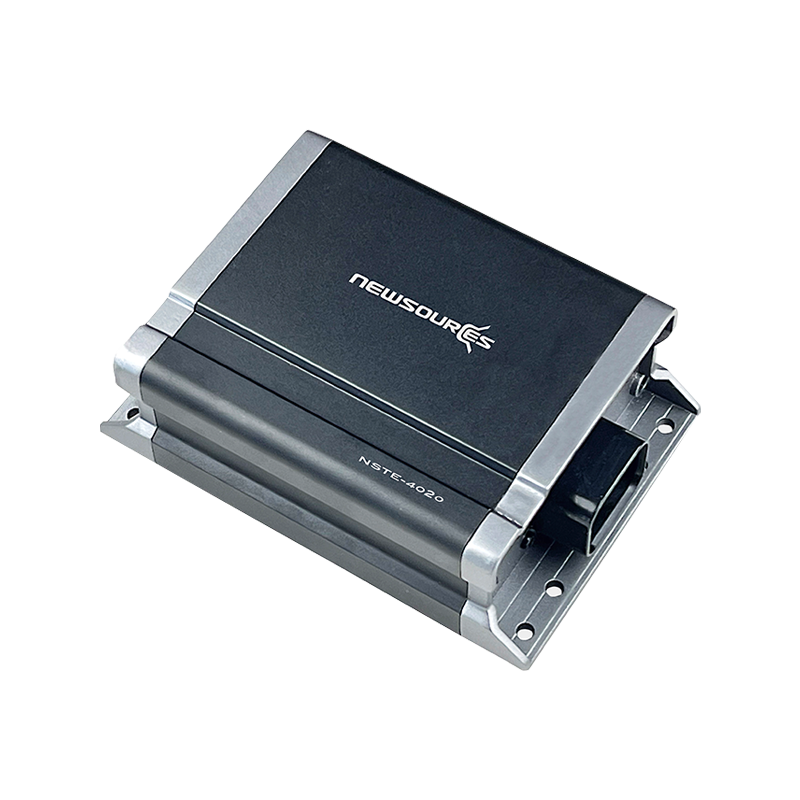
Most motorcycle amplifiers come in 2-channel or 4-channel configurations. A 2-channel amp typically powers a single pair of speakers, while a 4-channel amp can power two pairs, or a pair of speakers plus a subwoofer using a bridged channel setup. Riders adding both handlebar speakers and rear-mounted speakers usually benefit from a 4-channel design.
Impedance Compatibility
Speaker impedance, measured in ohms, must be compatible with the amplifier's rated output range. Most motorcycle speakers are rated at 4 ohms, and mismatched impedance can cause the amplifier to overheat or shut down through its built-in protection circuitry.
Weatherproofing and Durability Requirements
Since motorcycle amplifiers are mounted on a vehicle with no cabin protection, weatherproofing is one of the most critical factors in long-term reliability. Look for amplifiers with an IP65 or higher ingress protection rating, which indicates resistance to dust and water spray. Conformal coating on internal circuit boards adds an extra layer of protection against moisture that could otherwise corrode components over time.
| IP Rating | Protection Level | Suitable For |
| IP54 | Limited dust and splash resistance | Fairing-enclosed mounting only |
| IP65 | Dust-tight, resistant to water jets | Exposed mounting under seat or fairing |
| IP67 | Dust-tight, temporary submersion resistance | Heavy rain riding, open-air mounting |
Beyond the IP rating, checking the operating temperature range is also important, since amplifiers mounted near the engine bay can experience significant heat exposure that standard car audio amplifiers are not built to withstand.
Mounting Location and Installation Considerations
Space constraints on a motorcycle make mounting location a significant part of the planning process. Common mounting spots include under the seat, inside the fairing, within saddlebags, or on a rear luggage rack. Each location comes with tradeoffs regarding heat exposure, vibration, and accessibility for future maintenance.
- Under-seat mounting keeps the amplifier hidden and protected from direct rain exposure
- Fairing-mounted amplifiers benefit from shorter wire runs to handlebar speakers, reducing signal loss
- Saddlebag mounting offers easy access for maintenance but requires careful waterproofing at cable entry points
- Rear rack mounting works well for touring bikes but increases exposure to road spray and debris
Regardless of location, securing the amplifier with vibration-dampening mounts helps prevent solder joint fatigue over time, since constant engine and road vibration can gradually loosen internal connections in amplifiers not built with vibration resistance in mind.
Wiring and Power Supply Best Practices
Proper wiring is essential not only for sound quality but also for electrical safety on a motorcycle, where the electrical system has far less reserve capacity than a car. Power should be drawn directly from the battery with an inline fuse placed as close to the battery terminal as possible, protecting the wiring harness in case of a short circuit.
Grounding
A solid ground connection to bare metal on the frame is critical for reducing electrical noise, often heard as a whining sound that changes with engine RPM. Sanding the mounting point down to bare metal before attaching the ground wire ensures a clean, low-resistance connection.
Signal Cable Routing
Running RCA or speaker signal cables away from ignition wiring and spark plug leads helps prevent interference from being picked up and amplified along with the intended audio signal, which can otherwise introduce a persistent buzzing noise through the speakers.
Matching Amplifiers with Speakers and Helmet Audio Systems
Riders using traditional handlebar-mounted speakers need an amplifier capable of driving standard 4-ohm speaker loads at sufficient volume to overcome wind noise at highway speeds, generally requiring 40 to 75 watts RMS per channel depending on speaker size. Riders using helmet speaker systems face a different challenge, since helmet speakers are smaller and positioned close to the ears, meaning they require far less power but more careful volume control to avoid hearing damage during long rides.
Some amplifiers include a built-in speed-sensing volume control feature, which automatically increases output as motorcycle speed increases to compensate for rising wind noise, then reduces volume at lower speeds or when stopped. This feature is particularly useful for touring riders who experience significant speed variation throughout a ride and want consistent audio clarity without manually adjusting volume at every speed change.