
 EN
EN
 English
 Español
 عربى
عربىContent
- 1 Overview: Why Understanding the Difference Matters
- 2 Core Technical Differences
- 3 Acoustic Performance: Sound Quality & Distortion
- 4 Power Handling, Thermal Design, and Reliability
- 5 Form Factor, Mounting, and Installation Flexibility
- 6 Feature Sets: Controls, Inputs, and Integration
- 7 Use Cases: When to Choose a Mini Amplifier
- 8 Use Cases: When to Choose a Full-Size Amplifier
- 9 Matching Amplifier Choice to Speakers and Subwoofers
- 10 Installation and Practical Tips
- 11 Maintenance, Troubleshooting, and Longevity
- 12 Conclusion: Choosing Based on Goals, Not Size
Overview: Why Understanding the Difference Matters
When shopping for car audio upgrades, choosing between a mini car amplifier and a full-size amplifier is a common crossroads. Both types amplify signal to drive speakers and subwoofers, but they differ substantially in power delivery, heat management, installation flexibility, feature set, and long-term reliability. This article compares the two across technical, acoustic, and practical dimensions so you can match the amplifier type to your vehicle, budget, and listening goals.
Core Technical Differences
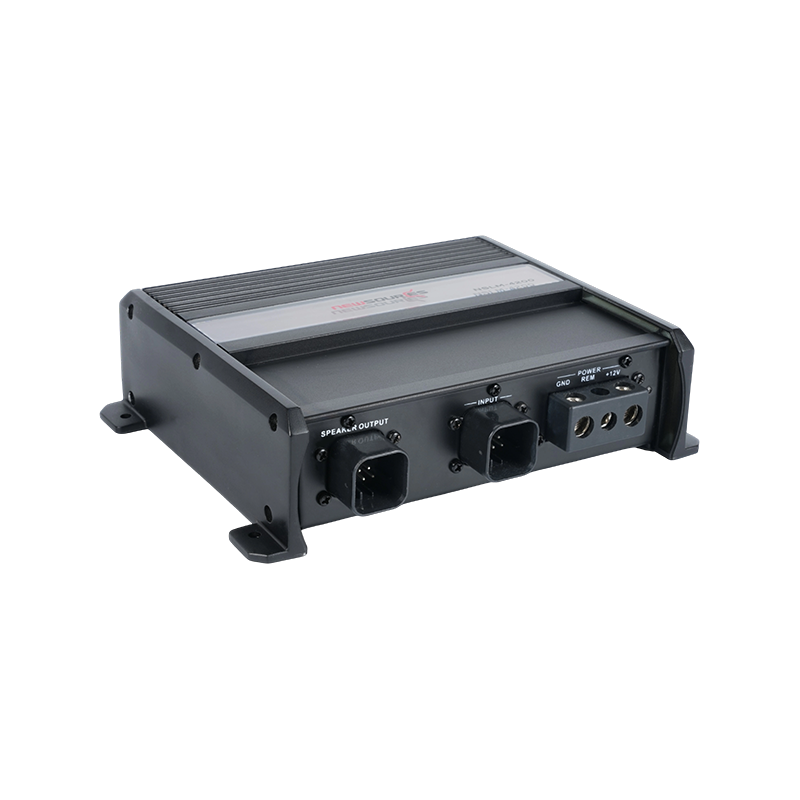
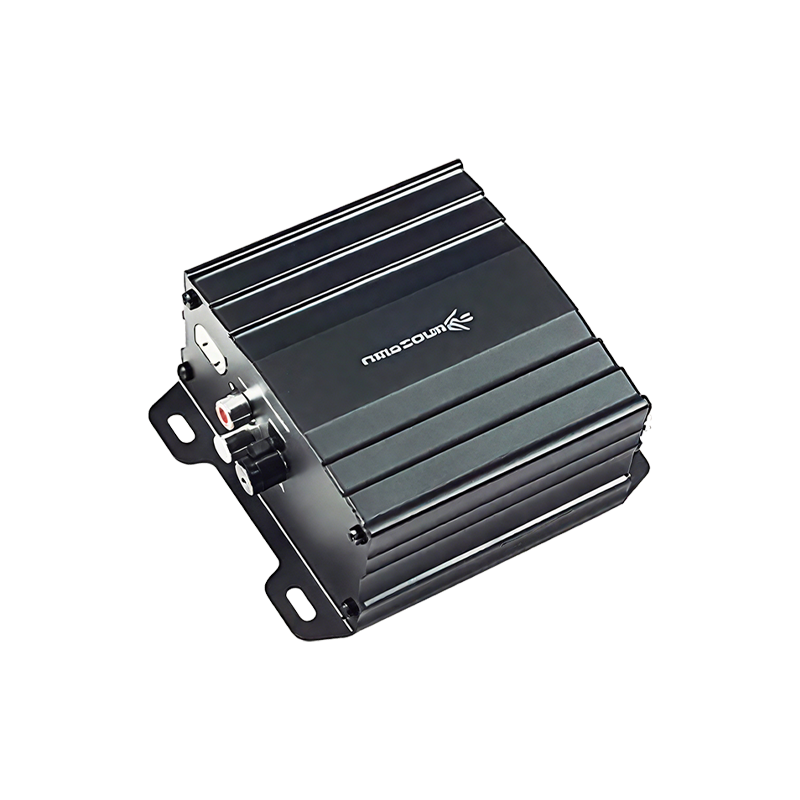
At their core, the differences stem from component size and the design trade-offs manufacturers make to achieve compactness. Mini amplifiers prioritize small footprint and convenience, while full-size amplifiers prioritize raw power, advanced circuitry, and thermal headroom.
Power Output and Ratings
Full-size amplifiers typically offer higher continuous RMS power and more stable power delivery at rated impedances (2Ω and 4Ω). Mini amplifiers often quote conservative RMS numbers or emphasize peak power, which can be misleading if you plan to run demanding speakers or subwoofers.
Power Supply and Regulation
Because of limited internal space, mini amps usually have smaller power rails, fewer smoothing capacitors, and less sophisticated voltage regulation. Full-size amps use larger power supplies and better filtering, which translates to cleaner headroom and lower distortion under load.
Acoustic Performance: Sound Quality & Distortion
Sound quality is influenced by amplifier topology (Class D, AB, etc.), power rail stability, and component quality. While modern mini amps often use efficient Class D designs that sound very good for daily listening, full-size Class AB or high-end Class D amps tend to produce lower total harmonic distortion (THD) and better control of low-frequency drivers.
Bass Control and Damping Factor
The damping factor — the amplifier's ability to control cone movement — often favors full-size amplifiers with more substantial power stages and output filtering. Mini amps can struggle to tightly control large subwoofers at high SPLs, resulting in looser bass performance in some cases.
Power Handling, Thermal Design, and Reliability
Mini amplifiers trade thermal mass for compactness. That makes them more sensitive to sustained high-power demands, which may trigger thermal protection. Full-size amplifiers use larger heat sinks and more robust cooling strategies that enable higher continuous output without throttling.
Protection Circuits and Durability
Both amp types include protections (short, over-current, thermal). Full-size models often have more sophisticated protection schemes and higher-quality components, which typically equates to longer lifespan under heavy use.
Form Factor, Mounting, and Installation Flexibility
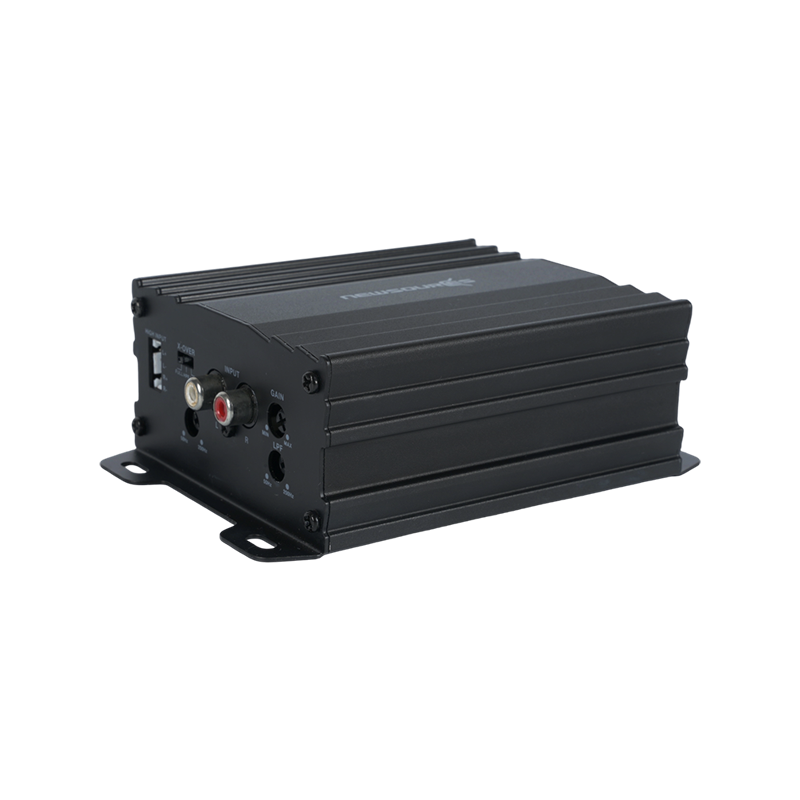
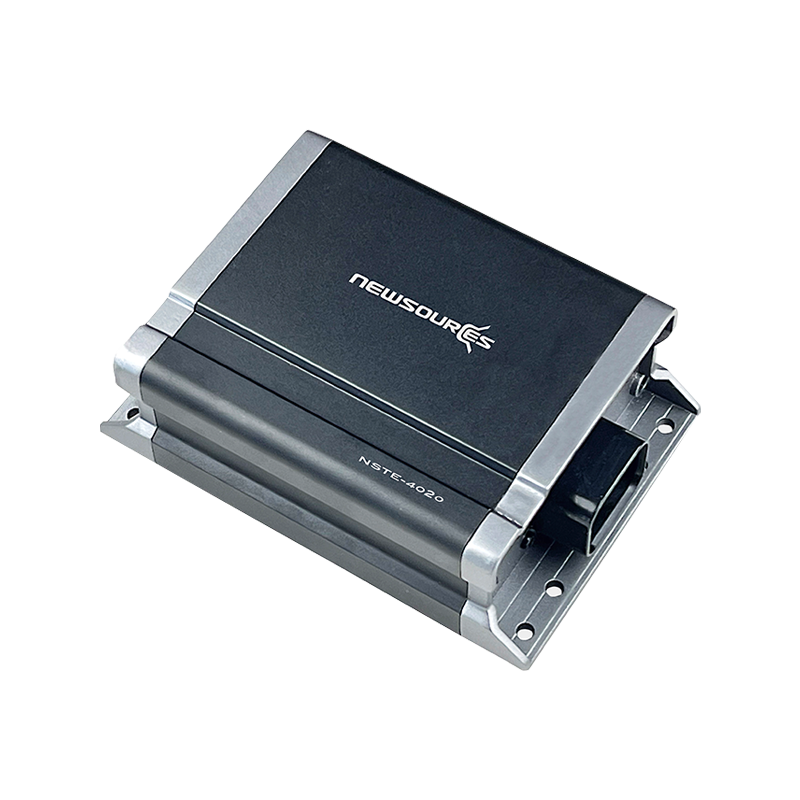
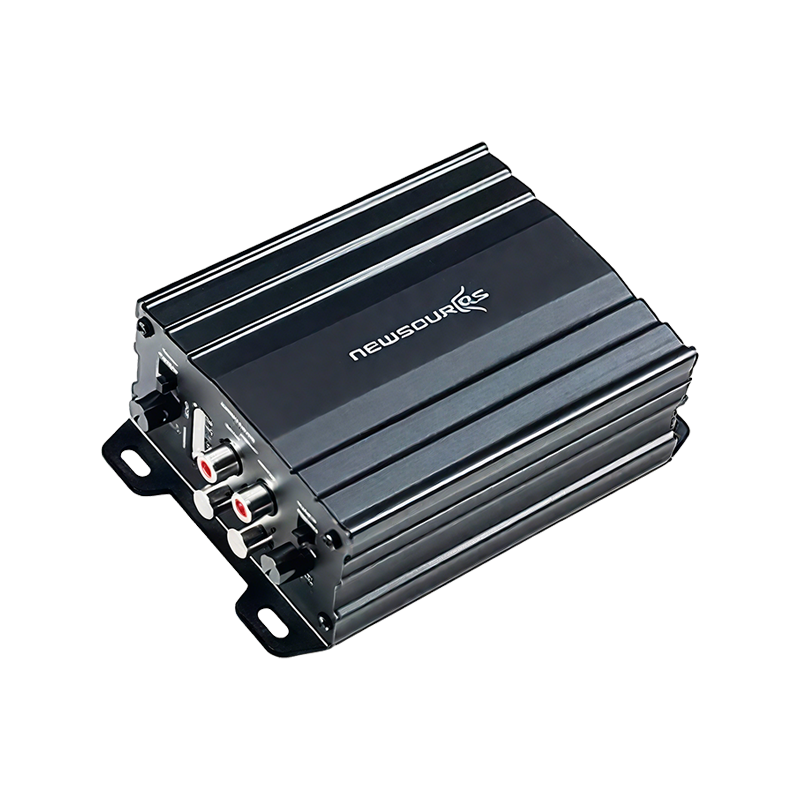
The defining advantage of mini amplifiers is installation flexibility. They can be mounted under seats, behind panels, or inside glove compartments — ideal for compact cars, motorcycles, or stealth installs. Full-size amplifiers usually require more space and careful ventilation but offer easier wiring access and larger terminal blocks for secure power connections.
Wiring and Grounding Considerations
Full-size amps often accept thicker power and ground cables, which reduces voltage drop and improves performance. Mini amps may limit you to thinner gauge wiring; if you try to feed high current through undersized cables, performance and safety are affected.
Feature Sets: Controls, Inputs, and Integration
Full-size amplifiers generally provide richer feature sets: multi-band crossovers, variable slope settings, built-in equalizers, remote level controls, and higher-quality RCA inputs. Mini amplifiers often stick to the essentials: gain control, simple high/low pass filters, and basic bass boost features.
| Feature | Mini Amplifier | Full-Size Amplifier |
| Typical RMS Output | Low to Moderate | Moderate to High |
| Thermal Handling | Limited | Superior |
| Controls & DSP | Basic | Advanced |
| Installation Flexibility | High | Low to Moderate |
Use Cases: When to Choose a Mini Amplifier
- Space-restricted vehicles (compact cars, motorcycles, scooters) where under-seat mounting is necessary.
- OEM upgrade projects that require a discreet amplifier to retain interior aesthetics.
- Systems aiming for moderate volume increases and clarity improvements without pushing subwoofers hard.
- Budget-conscious installs where minimal wiring and a compact solution save time and cost.
Use Cases: When to Choose a Full-Size Amplifier
- High-SPL systems and competitive sound installations requiring sustained high power.
- Systems with multiple channels, complex crossovers, and active processing needs.
- Large subwoofer rigs that demand high current and tight control (high damping factor).
- Long-term installations where reliability and serviceability are priorities.
Matching Amplifier Choice to Speakers and Subwoofers
Selecting an amplifier is about matching RMS power and impedance to the drivers. For bookshelf or coaxial speakers with modest power requirements, a mini amp rated for similar RMS at 4Ω may be sufficient. For component speakers or larger subwoofers, calculate the required RMS and choose an amp (or amps) that provide 75–125% of the speaker's RMS rating for safe headroom.
Practical Matching Table
| Speaker Type | Recommended Amplifier |
| Small coaxials / factory speakers | Mini amplifier (25–75W RMS/channel) |
| High-performance component speakers | Full-size amplifier (50–150W RMS/channel) |
| Single subwoofer (8"–10") | Mini amp possible if low power; full-size preferred for tight bass |
| Large subwoofers (12"–15") | Full-size amplifier (high current, high RMS) |
Installation and Practical Tips
- Always match the amplifier's RMS rating to the speakers' RMS ratings rather than peak values.
- Use the thickest power and ground cables the amp and vehicle can accommodate; avoid thin wiring on high-power systems.
- Ensure ventilation for mini amps even if they seem compact — avoid tight enclosures that trap heat.
- If using a mini amp with a subwoofer, set conservative gain and use a low-pass filter to prevent over-excursion.
Maintenance, Troubleshooting, and Longevity
Regularly check ground and power connections for corrosion and tightness. If you hear distortion at moderate volumes, reassess gain staging and wiring. For mini amps that frequently enter thermal protection, consider relocating to a better-ventilated area or upgrading to a larger amplifier designed for continuous duty.
Conclusion: Choosing Based on Goals, Not Size
Mini car amplifiers are an excellent solution when space, budget, and modest power needs are primary concerns. Full-size amplifiers win when sustained power, advanced features, and top-tier sound control are required. Evaluate your speaker demands, vehicle constraints, and long-term goals; use the guidance above to make a practical choice that delivers reliable, satisfying in-car audio.