
 EN
EN
 English
 Español
 عربى
عربىContent
- 1 What Is a 4-Channel Amplifier and Why It Matters
- 2 Key Specifications to Understand Before Buying
- 3 Common Configurations for 4-Channel Amp Setups
- 4 Comparing Common 4-Channel Amp Configurations
- 5 Installation Considerations for a Successful Upgrade
- 6 Practical Tips for Choosing the Right 4-Channel Amp
What Is a 4-Channel Amplifier and Why It Matters
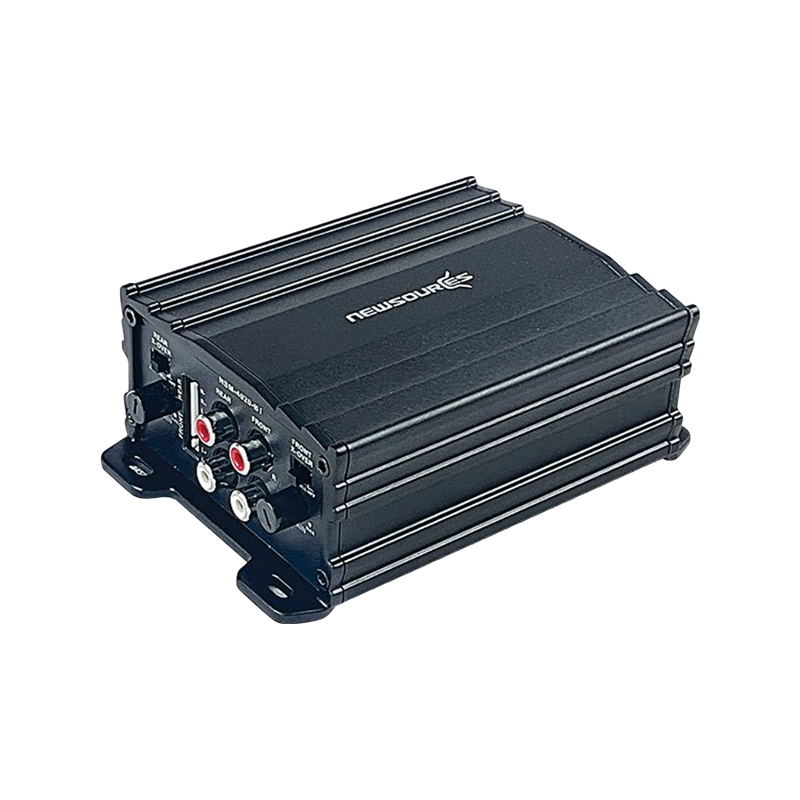
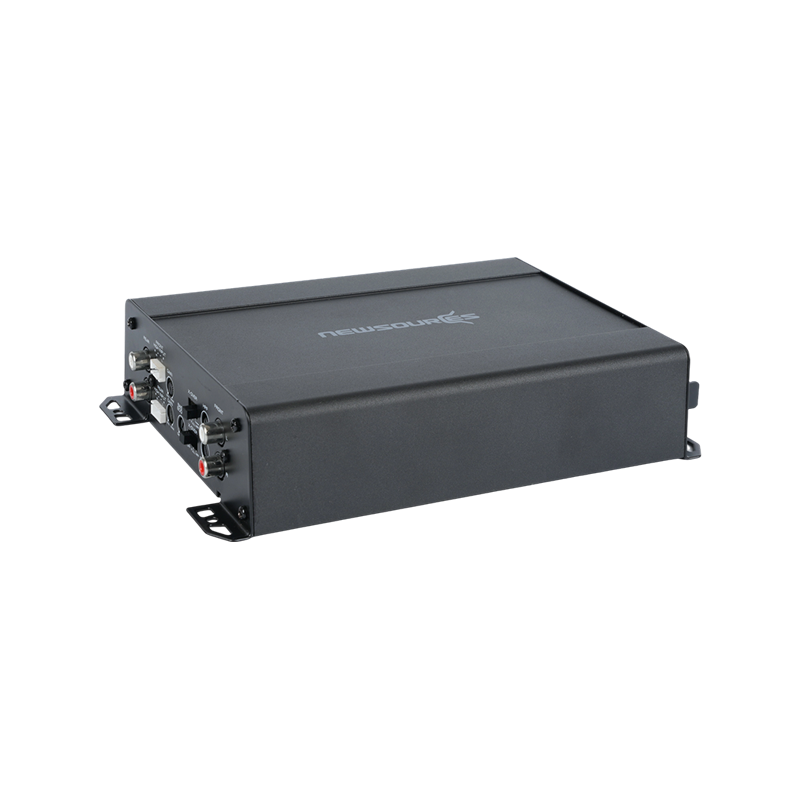
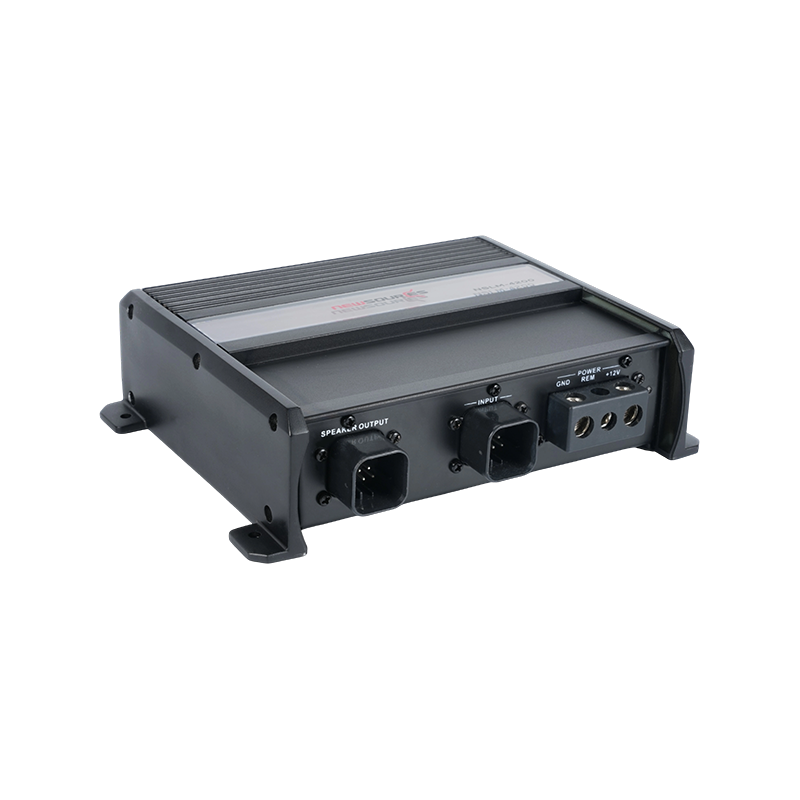
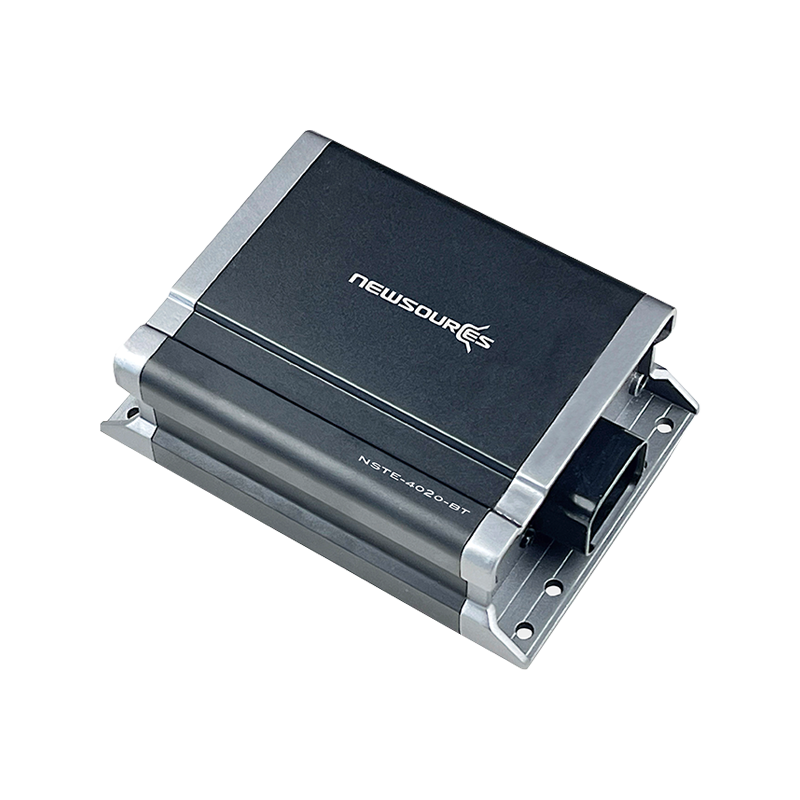
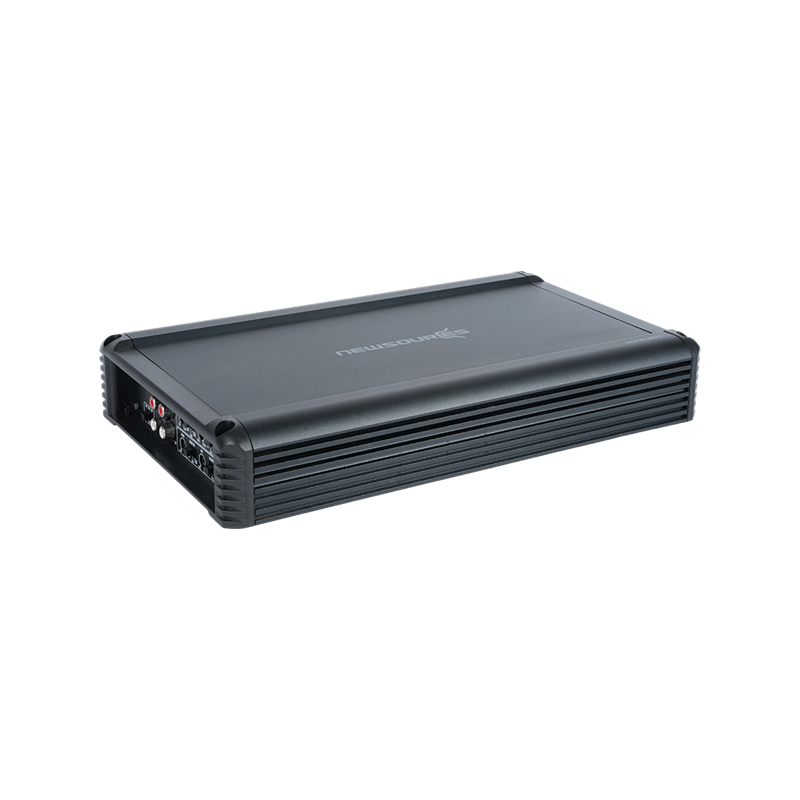
A 4-channel amplifier is a car audio component designed to power four separate speaker outputs from a single unit, offering greater flexibility and control compared to simpler 2-channel amps. This configuration allows drivers to power a complete front and rear speaker setup, or alternatively dedicate two channels to speakers and bridge the remaining two channels to drive a subwoofer, all from one compact amplifier rather than installing multiple separate units.
For car audio enthusiasts looking to upgrade beyond factory sound systems, a 4-channel amp represents a practical middle ground between basic 2-channel setups and more complex multi-amp systems. It delivers noticeably cleaner, more powerful sound reproduction across the full frequency range while keeping installation complexity and cost more manageable than running separate amplifiers for each speaker zone.
Key Specifications to Understand Before Buying
Choosing the right 4-channel amplifier requires understanding a handful of core specifications that directly affect sound quality and system compatibility.
RMS Power Rating
RMS, or root mean square power, indicates the continuous power output an amplifier can reliably deliver without distortion or overheating. This figure is far more important than peak power ratings, which only reflect brief power bursts and can be misleading when comparing amplifiers. Matching RMS power output to the RMS power handling of your speakers is essential for achieving clean, undistorted sound at higher volumes.
Impedance Compatibility
Impedance, measured in ohms, describes the electrical resistance a speaker presents to the amplifier. Most car speakers operate at either 2-ohm or 4-ohm impedance, and amplifiers are typically rated for a range of compatible impedances. Using speakers with mismatched impedance can reduce power efficiency or, in more serious cases, cause the amplifier to overheat and shut down.
Signal-to-Noise Ratio
The signal-to-noise ratio, often abbreviated as SNR, measures how much unwanted background noise is present relative to the actual audio signal. A higher SNR value indicates cleaner sound reproduction with less audible hiss or static, which becomes particularly noticeable during quiet passages of music or at lower volume levels.
Common Configurations for 4-Channel Amp Setups
One of the biggest advantages of a 4-channel amplifier is its configuration flexibility, allowing drivers to tailor their system to specific listening preferences and vehicle layouts.
Full Range Four-Speaker Setup
In this configuration, each of the four channels powers one individual speaker, typically the front and rear door speakers. This setup provides balanced sound distribution throughout the cabin and works well for drivers primarily focused on overall sound quality rather than heavy bass output.
Two Speakers Plus Bridged Subwoofer
This popular configuration uses two channels to power a pair of front speakers while bridging the remaining two channels together to drive a single subwoofer with significantly more power than a single channel could provide alone. This setup is ideal for drivers wanting noticeably stronger bass response without installing a separate dedicated subwoofer amplifier.
Comparing Common 4-Channel Amp Configurations
The table below outlines the two most common configuration approaches and the type of listener each setup best serves.
| Configuration | Setup Description | Best For |
| Full Range Four-Speaker | Each channel powers one speaker | Balanced overall sound quality |
| Two Speakers Plus Bridged Sub | Two channels to speakers, two bridged to sub | Stronger bass performance |
Installation Considerations for a Successful Upgrade
Proper installation significantly affects how well a 4-channel amplifier performs once installed in a vehicle. Selecting an appropriate mounting location with adequate ventilation helps prevent the amplifier from overheating during extended use, particularly in warmer climates or when the amp is driven at higher power levels for long periods.
Wiring quality also plays a critical role in overall sound performance and system safety. Using appropriately gauged power and ground wires based on the amplifier's power draw helps prevent voltage drop and reduces the risk of electrical issues, while properly shielded RCA cables help minimize unwanted noise interference from the vehicle's electrical system.
Practical Tips for Choosing the Right 4-Channel Amp
Keep the following practical considerations in mind when comparing 4-channel amplifier options for your vehicle.
- Match the amp's RMS power output closely to your speakers' RMS power handling for optimal sound clarity.
- Confirm the amplifier supports bridging if you plan to power a subwoofer using two combined channels.
- Check physical dimensions against available installation space before finalizing a purchase.
- Prioritize amplifiers with built-in crossover controls for easier fine-tuning between speakers and subwoofers.
- Review the amplifier's protection features, such as thermal and short-circuit protection, for long-term reliability.
By carefully evaluating power specifications, configuration options, and installation requirements, drivers can select a 4-channel amplifier that delivers noticeably richer, more powerful sound while maintaining the flexibility to adjust their system as their audio preferences evolve over time.